






 Portuguese
  Spanish
  6 min of reading
  0 comments


In Virgínia, in the south of Minas, the family of Mr. João Batista defied rural exodus: the children stayed in the countryside and set up a dairy that transforms milk production into award-winning artisanal cheese, in the tradition of Mantiqueira de Minas. And the best part: in the countryside, almost nothing is wasted.
While the interior of Brazil sees young people packing their bags for the city and countryside homes becoming empty, a family from the south of Minas swam against the tide. In Virgínia, Mr. João Batista, 74, raised his five children on the same piece of land where he was born, and instead of seeing his offspring leave, he saw them stay and set up a dairy that thrives on the milk production of the property. The story was recorded by the channel Lucas Pereira Lima on YouTube.
The result of this stubbornness has a name and flavor: artisanal cheese. The family turned the milk from their own cows into a small home industry that makes various types of cheese, dulce de leche, and butter, and still reaps what might be the greatest reward for those who live off family farming, the chance to keep everyone together, with income, without having to leave the countryside. And it’s not just any cheese: it carries the fame of Mantiqueira de Minas, one of the most awarded regions in the country.
The family that did not trade the countryside for the city
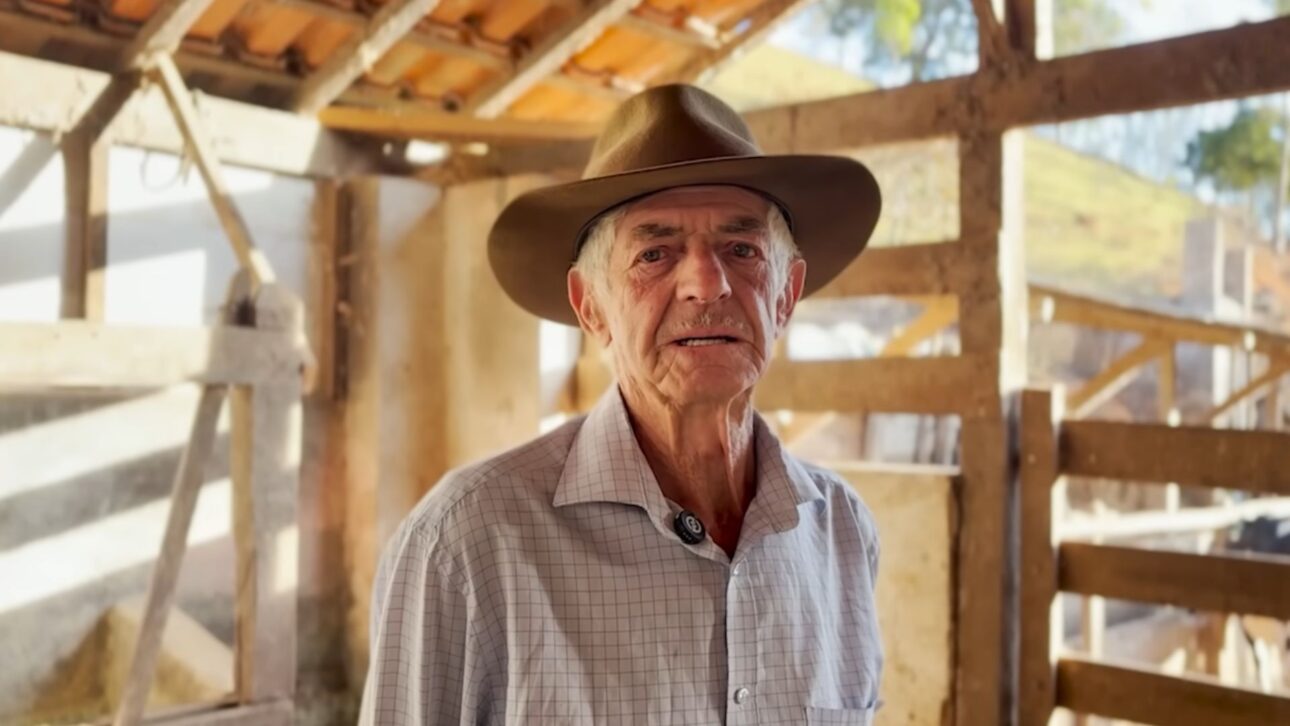
Mr. João Batista is one of those who say that his navel was buried right there. In 74 years, he never spent a week away from home to work, and he built the herd head by head, today around a hundred animals on about fifteen hectares. The entire property, according to him, revolves around the cheese factory, and each child has their role in this family farming machinery.
-
The alligator that was once illegal game has become a business in the Pantanal: Caimasul, the largest alligator slaughterhouse in the world, slaughters nearly 100,000 per year and exports alligator leather and alligator meat.

-
At 17, Andressa swapped the city for life in the countryside with her father on a farm in Minas Gerais, where they take care of 15,000 fish in aquaculture, cows, and other animals.
-
Organic grape juice from São Roque surprises experts, scores over 90 points in a blind test, and wins a national award after six years of agroecological research.

-
In Matopiba, soybeans have replaced rice and beans, and traditional Cerrado communities that used to grow their own food now have to buy it, while pesticides from neighboring farms reach the springs.

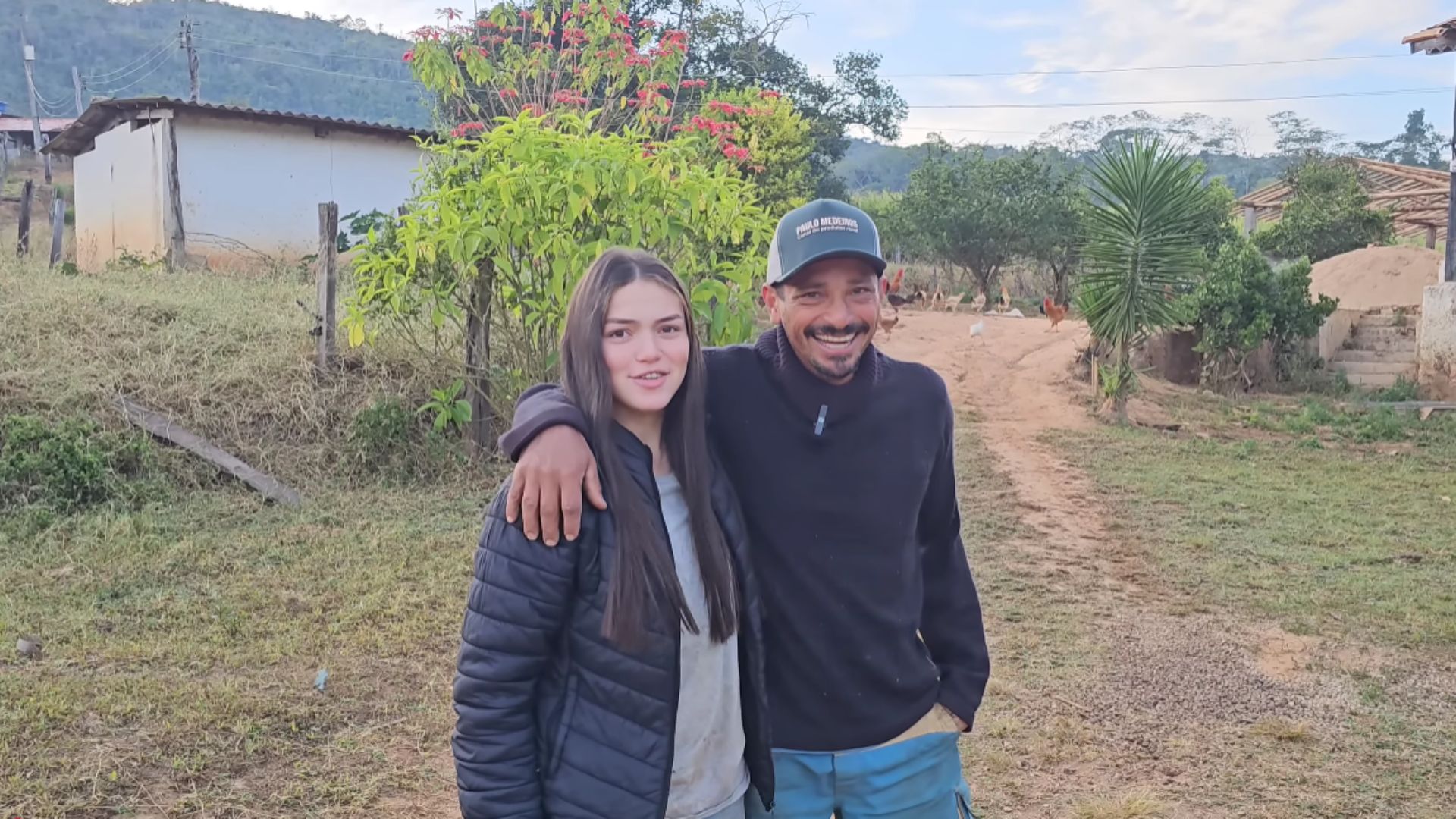


The division of tasks is cooperative. Antônio Marcos, the eldest, takes care of the milking; João Márcio collects the milk and helps in the cheese-making process, alongside his wife, Ana Maria, who also gets hands-on; Luís Henrique takes part in the daily chores; and their daughter Dalva, who lives in Osasco, São Paulo, manages the family’s social media remotely. It’s the countryside and the city working for the same cheese factory.
The contrast with the neighborhood is what impresses Mr. João Batista the most. He points to the empty houses around, recalls the siblings who left for the city of Virgínia, and admits that what happens in his family is almost inexplicable. “I live for the family,” summarizes the producer, who sees the children’s stay in the countryside as the greatest achievement, above any profit.
From milk to award-winning cheese, without wasting almost anything
The big turnaround came when milk production stopped being sold raw and became a product. The family recounts that, in the beginning, they delivered the milk to a local dairy, but when that buyer closed down, the suppliers were left stranded. That’s when the son João Márcio took the risk and started making artisanal cheese right there, even buying milk from neighbors and giving a lifeline to other families’ incomes.
The variety coming out of that kitchen is impressive. They produce mozzarella, knot cheese, a type they call mantiqueira, similar to parmesan, and the semi-cured cheese, as well as dulce de leche and butter extracted from the whey. What remains from the process, the whey that many people throw away, becomes food for the pigs and calves, in an almost total utilization that makes the small cheese factory an example of sustainable milk production.
The recognition came in the form of a medal. The family reports, in the video, having taken their cheeses to a competition with about two thousand samples and returning home with three medals, an emotion that, according to them, brought tears. For those who started improvising in a little house where the cow got stuck in the mud, transforming milk production into award-winning artisanal cheese is proof that dedication bears fruit.
Virgínia, at the heart of Mantiqueira de Minas cheese
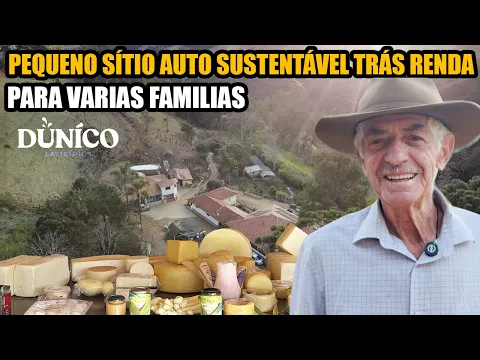

The family’s achievement is not an outlier but part of a strong tradition. Virgínia is located in the Mantiqueira de Minas region, one of the most respected territories in the country when it comes to artisanal cheese, and it collects awards both inside and outside Brazil. It’s no wonder that the cheese from there has gained its own name in the market.
The regional strength appears in official contests. According to the Agência Minas, the 2025 State Contest of Artisanal Cheeses of Minas Gerais, held in Itanhandu and evaluated by 32 judges, awarded producers from Mantiqueira de Minas, including the producer Carlos Henrique Lamim, from Virgínia, who came in second place in the category of cheeses with maturation over 50 days. It is the same municipality of Mr. João Batista appearing on the state podium.
The effort behind each medal is great, and the winners themselves do not hide it. “The feeling is one of great pride and emotion. It’s a very difficult life,” said producer Alexandre Honorato to Agência Minas, describing the recognition of more than two decades of dedication. It is this mix of hard work and pride that drives the family farming of artisanal cheese in Minas, of which the family from Virgínia is a part.
Solar energy and the challenges of staying in the countryside
Staying in the countryside does not mean stopping in time, and the family shows this in practice. A few months ago, they installed solar panels on the property, and the effect on the wallet was immediate: the electricity bill, which reached a thousand reais, dropped to something between one hundred and one hundred and fifty. It is modern technology entering the routine of family farming to reduce the cost of production.
But life in the countryside still takes its toll. Mr. João Batista says that the power goes out frequently during storms, sometimes for days, which is a danger for a cheese factory that depends on a cold chamber, and the family still does not have a generator. The bumpy road is another torment, increasing the freight cost of everything that comes in and out, and makes the old four-wheel-drive Toyota the hero of the property on rainy days.
These bottlenecks explain why he makes an appeal to the public authorities. For the producer, since the cheese factory generates income and moves the region, the municipality needs to look more carefully at those in the countryside, not just the city. It is the message from someone who has proven that well-managed milk production can support an entire family on the land, as long as there is a minimum of infrastructure.
The story of Mr. João Batista’s family, in Virgínia, is a beautiful reminder that not every young person needs to trade the countryside for the city to succeed. By transforming milk production into award-winning artisanal cheese, within the tradition of Mantiqueira de Minas, and also betting on solar energy and the full use of raw materials, this group of family farming has shown that it is possible to build a future without leaving home.
And you, would you leave the city to run a dairy farm in the countryside like this, or do you think this life is not for everyone? Share your thoughts in the comments.








Be the first to react!