






 Portuguese
  Spanish
  5 min of reading
  0 comments


In Corumbá, in the Pantanal, Caimasul is considered the largest captive alligator slaughterhouse in the world. Inaugurated in 2017 with R$ 35 million, it transformed the reptile, which was a target of illegal hunting, into a regulated business, with 250,000 animals, exported alligator leather, and alligator meat in restaurants.
Imagine a farm where, instead of cattle, pigs, or chickens, the animal raised for slaughter is the alligator. It’s not a movie script, it’s a real business in the heart of the Pantanal, in Mato Grosso do Sul, which became the subject of viral videos like the one from the Fatos Rurais channel. The place is Caimasul, considered the largest captive alligator slaughterhouse in the world, located in Corumbá, a city famous for the large presence of the reptile.
The most interesting aspect is not just the size, but the turnaround behind the story. The alligator, which for decades was the target of illegal hunting for its skin and meat, became the raw material of a legalized and regulated production chain. Caimasul transformed what was an environmental crime into agribusiness with a seal, exports alligator leather to the luxury market, and places alligator meat in restaurants, all within management rules in the Pantanal.
The largest alligator factory in the world, in Corumbá
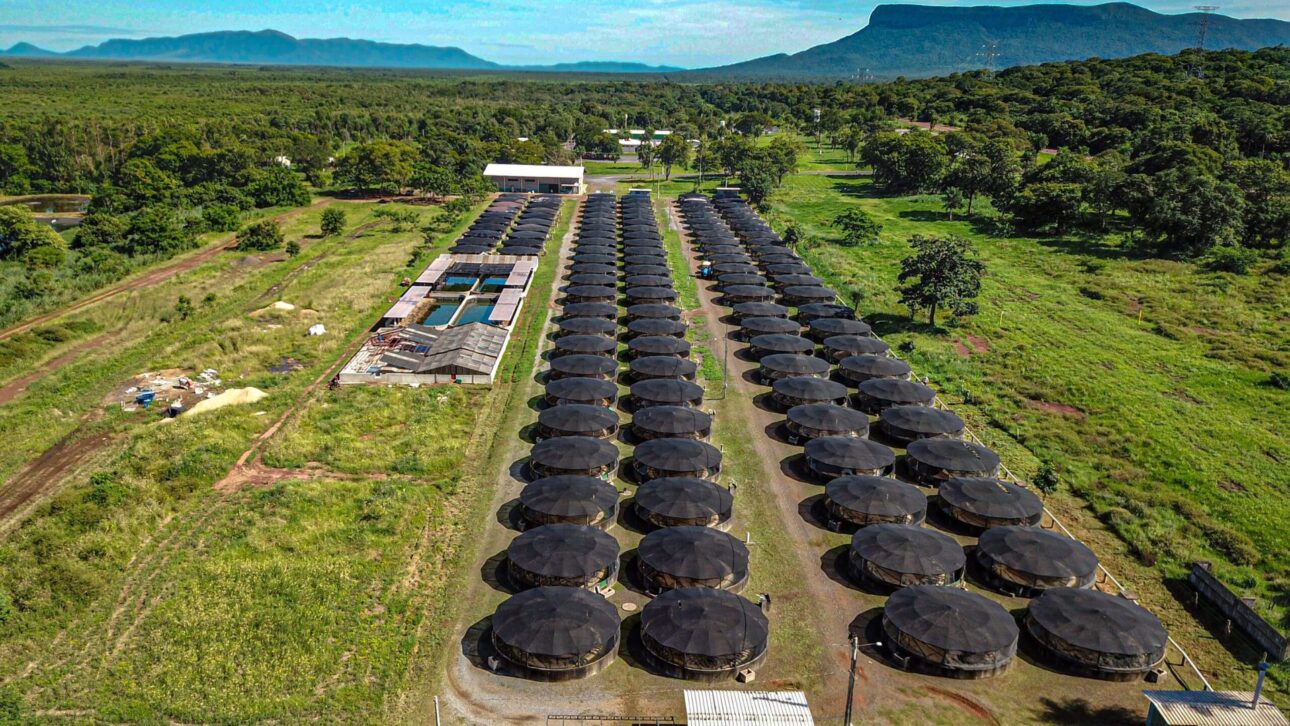
Caimasul was inaugurated on September 21, 2017, in Corumbá, and started big. According to Iagro, the sanitary defense agency of Mato Grosso do Sul, the enterprise received R$ 35 million in investment and was presented as the largest captive alligator slaughterhouse in the country and the world. The installed capacity is 600 slaughters per day, with 400 planned for the first phase.
-
At 17, Andressa swapped the city for life in the countryside with her father on a farm in Minas Gerais, where they take care of 15,000 fish in aquaculture, cows, and other animals.

-
Organic grape juice from São Roque surprises experts, scores over 90 points in a blind test, and wins a national award after six years of agroecological research.

-
In Matopiba, soybeans have replaced rice and beans, and traditional Cerrado communities that used to grow their own food now have to buy it, while pesticides from neighboring farms reach the springs.
-
Foreign tree planted to combat drought invades more than 1 million hectares of the Caatinga, encroaches on riparian forests, and turns an old solution for the semi-arid region into a silent threat to biodiversity.


The structure is not just any slaughterhouse. The alligator slaughterhouse operates with Federal Inspection Service, the same SIF that oversees beef, pork, and poultry, and brings together the entire chain in the same complex, from breeding and fattening to slaughter, with transformation into meat and alligator leather in the tannery. It is cutting-edge agribusiness applied to an animal that, until recently, only appeared on riverbanks.
The inauguration had political weight matching the ambition. Present was the then Minister of Agriculture, Blairo Maggi, who framed the project within the strength of Brazilian agribusiness. “Our country is a major exporter of agricultural products. Today, we export about US$ 85 billion per year,” said Maggi, according to Iagro, at the ceremony which also gathered the governor and the city’s mayor.
From illegal hunting to a business that protects the species
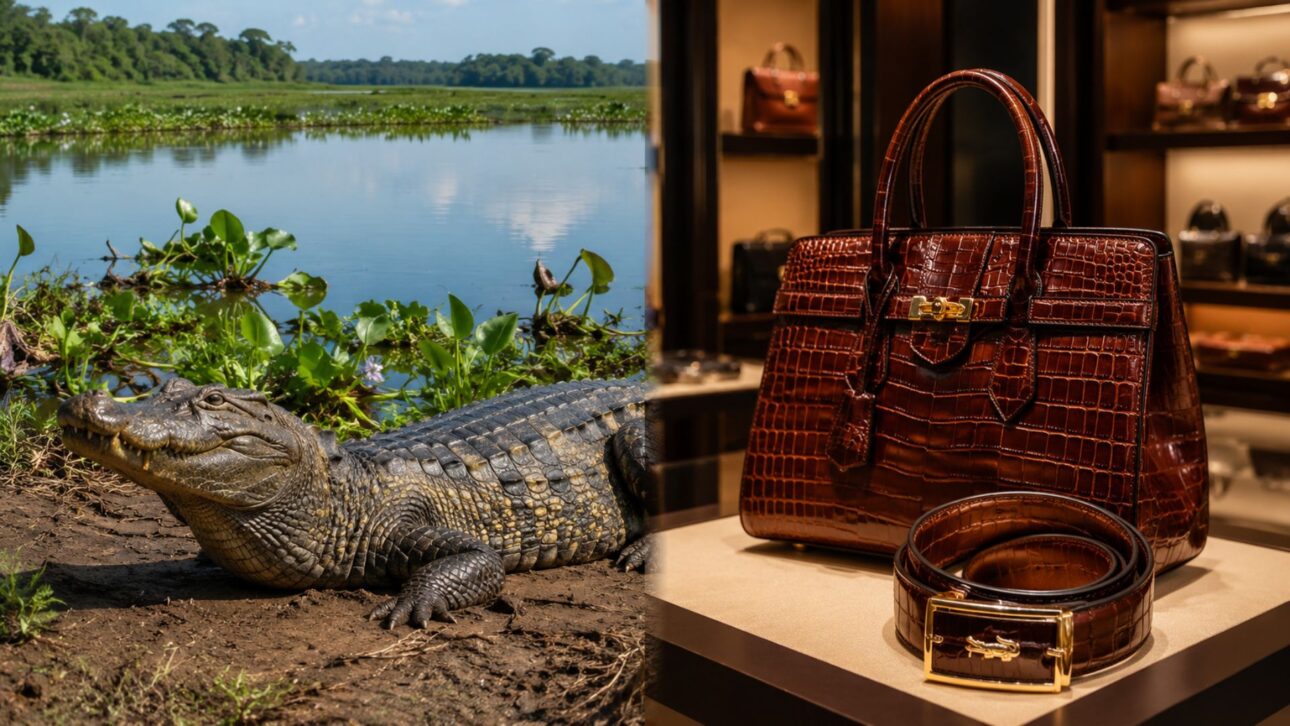
To understand why Caimasul matters, it’s necessary to remember the problem it solves. For a long time, the alligator from the Pantanal was hunted clandestinely, with the skin ending up in the leather market and the meat being sold without any sanitary inspection. This disrupted environmental control and put on the table a product with no traceability.
Captive breeding reversed this logic in an ingenious way. When the alligator becomes valuable within a legal system, the local resident stops seeing the animal as a pest or hunting target and starts seeing value in its conservation. Caimasul itself points out that the activity generates income for riverine communities, who participate in management and egg collection within environmental rules, instead of hunting the animal in secret.
This is the part that gives nobility to the alligator slaughterhouse. Instead of pushing the species into illegality, the model creates an economic incentive to keep it alive and monitored. The alligator that was once secretly slaughtered becomes an asset that supports families and, in theory, helps preserve the balance of the Pantanal, one of the richest biomes on the planet.
250,000 alligators and 100,000 slaughters per year
The numbers of the operation are as impressive as the idea. According to Caimasul, the company maintains about 10,000 breeding females and 250,000 alligators in confinement, with an approximate average of 100,000 animals slaughtered per year. It’s a reptile herd on a scale that no other alligator slaughterhouse in the world claims to have.
The logistics are daunting for those who are not used to it. The president of Caimasul, Raul Amaral, summarizes the work environment by saying that “the entire slaughterhouse is a cold chamber of 15 degrees,” and the plant processes up to 4.2 tons per day. Nothing is wasted: the company produces its own feed for the reptiles by utilizing the leather, head, and viscera left over from the slaughter.
This almost total utilization is what sets Caimasul apart from a regular farm. The alligator does not grow like cattle or pigs, it has its own metabolism and behavior, and requires strict control of water, density in the pens, and balanced feed to yield good alligator meat and, mainly, quality alligator leather.
Luxury Leather and Exotic Meat


If the meat pays the daily bills, it is the leather that brings glamour to the business. The alligator leather is coveted for its unique texture, marked by scales and natural patterns, and supplies the luxury market with bags, wallets, belts, shoes, and watch straps. Caimasul exports these skins to demanding markets like Mexico, the United States, and Asia, bringing the Pantanal to the world’s showcases.
The alligator meat, on the other hand, still faces the unfamiliarity of Brazilians. Those who have never tried it often turn up their noses, but the alligator meat is white, firm, and mild, with a texture reminiscent of chicken and a flavor many people compare to fish, only more delicate. In niches of exotic meats, specialized restaurants, and gastronomic tourism, it has been gaining space from a curious dish to a delicacy.
The market, admittedly, is still small compared to beef, pork, and chicken, and alligator meat won’t replace barbecue anytime soon. But, combining luxury leather, exotic meat, and by-products for feed and crafts, Caimasul has proven that it’s possible to build an entire agribusiness on an animal that Brazilians only knew basking in the sun by the river.
The story of Caimasul is proof that the Pantanal still holds businesses that no one imagines. An alligator slaughterhouse that slaughters nearly 100,000 animals a year, exports alligator leather to the luxury market, and serves alligator meat in restaurants was born precisely from the decision to legalize what was once illegal hunting, generating income instead of environmental crime.
And you, would you have the courage to try an alligator fillet, or do you still find the menu too daunting? Tell us in the comments.






Be the first to react!