Portuguese
  Spanish


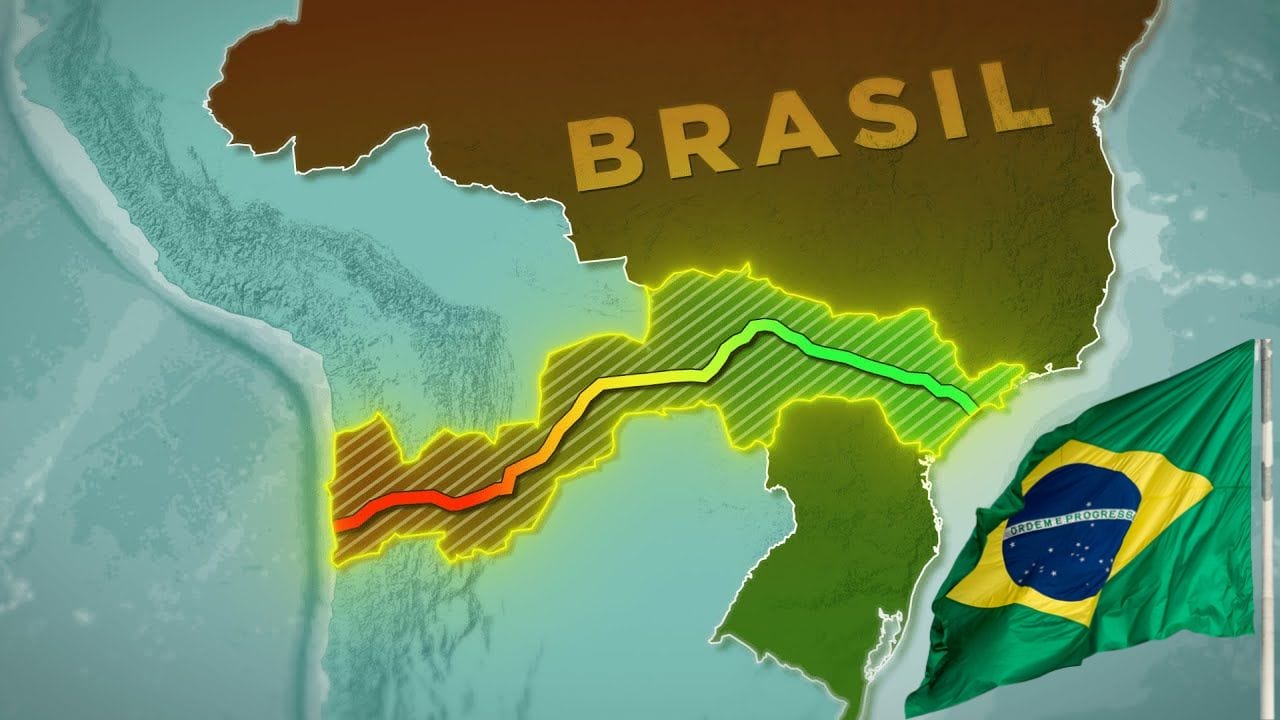

With The Bioceanic Route, The Country Prepares to Shorten Distances and Expand Horizons, Connecting The Atlantic to The Pacific and Opening Doors for A More Agile Trade With Asian Giants Such As China, South Korea, Singapore, and Japan.
The Bioceanic Route is an ambitious project that promises to revolutionize South American trade. Spanning 2,396 km, this overland route will connect the port of Santos, Brazil, passing through Paraguay and Argentina, until reaching the port of Antofagasta, Chile.
The goal? To halve the export time to the East, transforming transport logistics and strengthening the position of Brazil and its South American neighbors on the global trade board.
Billion-Dollar Investment for A Promising Future for Brazil
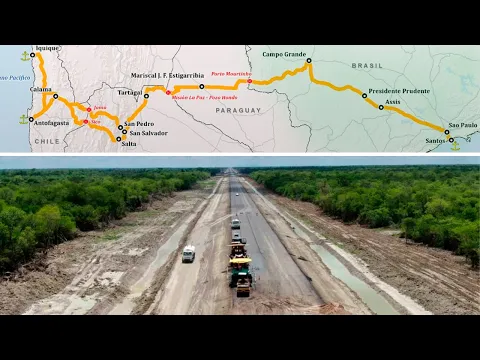

The financing for this megastructure comes from various sources, including the River Plate Basin financial fund, the Andean Development Corporation, and the Inter-American Development Bank, in addition to the governments of Paraguay and Brazil.
-
28-meter, 156-ton titans traveled 20,000 km from China to the port of Santa Catarina: Portonave received 7 fully electric megacranes, part of a R$ 210 million package, to double container handling.

-
They exchanged the idea of a large house for a 35 m² warehouse, spent US$ 12,000 on the structure, and created a tiny house in Colorado with space to live and work.

-
A newly opened terminal in the middle of the Amazon has begun transporting soy and corn through Amapá, eyeing the queue of ships that is congesting the ports in the South.

-
Goodbye to old tiles: renovation technique without construction transforms bathrooms in a few hours, eliminates debris, and reduces costs with coverings using special paints, high-resistance adhesives, and modern finishes that completely renew the space.



With a robust investment, the Bioceanic Route is not just a promise, but a reality in the making, with optimistic forecasts and an impact that could redefine trade in South America.
In addition to boosting trade, the Bioceanic Route promises to be a vector for tourism development. The route will traverse stunning biomes, such as the Pantanal, the Brazilian Cerrado, the Andes Mountains in Argentina, and the Atacama Desert in Chile.
This diversity of landscapes has the potential to attract tourists from all over the world, fostering the local economy and promoting unprecedented cultural integration.
Environmental and Social Groups Express Legitimate Concerns About The Possible Negative Impacts of Building The Road Bridge Between Brazil and Paraguay
Issues such as pollution, impact on local fauna, and changes in the economy of cities like Porto Murtinho are points that require attention and sustainable solutions.
With the Bioceanic Route, Brazil and its South American partners are paving the way for a future of greater integration, more efficient trade, and expanded opportunities.
The project is a testament to South America’s potential and its ability to innovate and adapt to the demands of a constantly changing world.