Portuguese
  Spanish


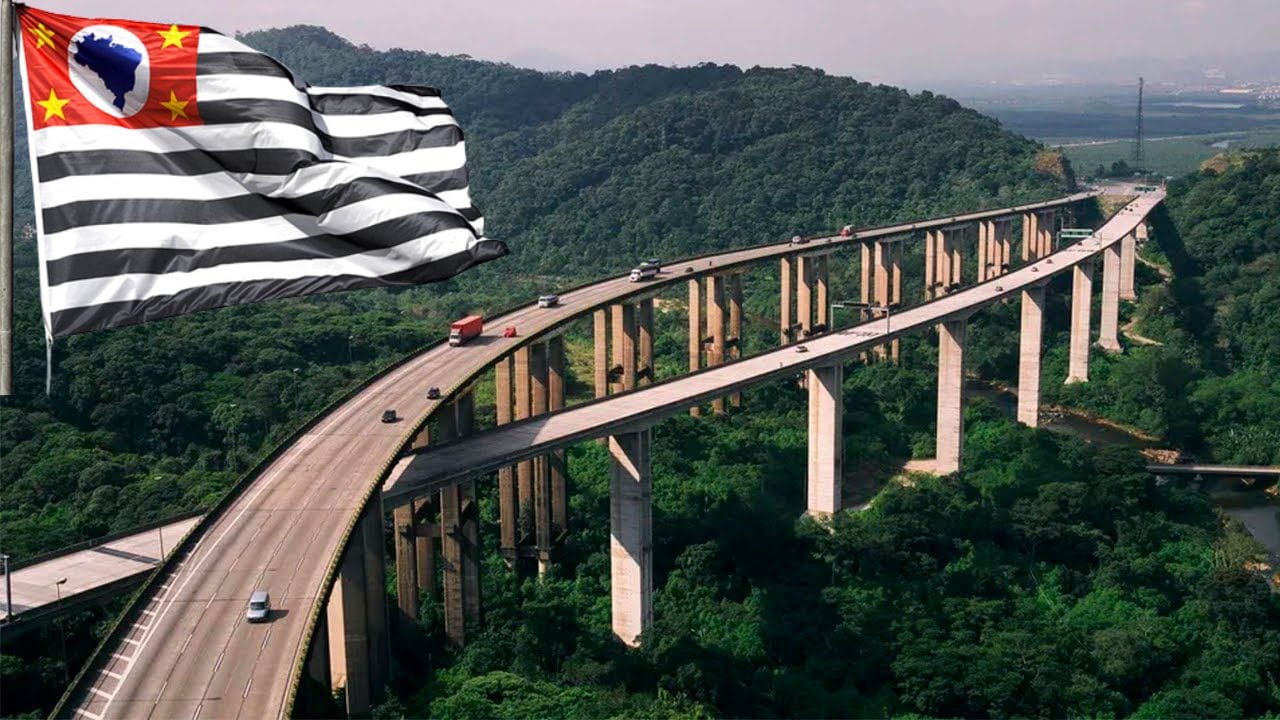


This 58.5 km road is not just asphalt and concrete; it’s the path to progress in São Paulo. With the mission of simplifying transportation and boosting the economy and tourism of the region, this roadwork is an example of engineering and vision for the future.
The construction of this giant in São Paulo was no walk in the park. Divided into two phases, the first lane, the North, came in 1976, and the South in 2002. The North lane was quite a challenge, with the team from DER-SP working hard to overcome landslides and other obstacles.
But the South lane, now that was a showcase of technology. With a length of 21 km and a height difference of 730 meters in the Serra do Mar, this project featured jaw-dropping tunnels and engineering that left everyone in awe.
Speaking of tunnels, there are 7 along the highway, with a highlight on the largest, with more than 3 km

And it doesn’t stop there: viaducts, bridges, and even Swedish technology for drilling. The Immigrant Highway is a parade of innovations, with fans that can withstand up to 400 degrees, CO2 sensors, and smart cameras that send everything directly to the control center. It’s never-ending technology!
-
28-meter, 156-ton titans traveled 20,000 km from China to the port of Santa Catarina: Portonave received 7 fully electric megacranes, part of a R$ 210 million package, to double container handling.

-
They exchanged the idea of a large house for a 35 m² warehouse, spent US$ 12,000 on the structure, and created a tiny house in Colorado with space to live and work.

-
A newly opened terminal in the middle of the Amazon has begun transporting soy and corn through Amapá, eyeing the queue of ships that is congesting the ports in the South.

-
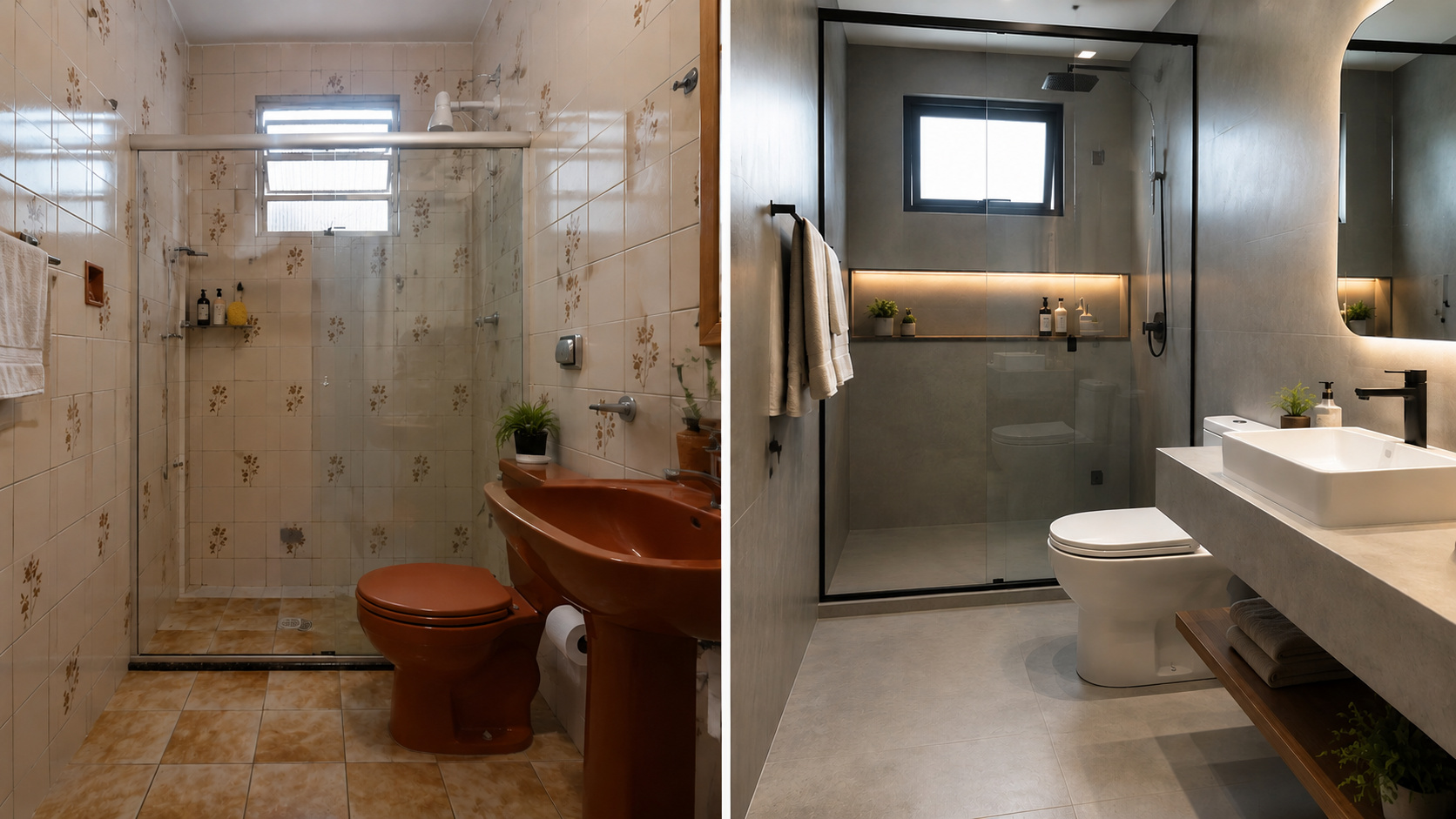
Goodbye to old tiles: renovation technique without construction transforms bathrooms in a few hours, eliminates debris, and reduces costs with coverings using special paints, high-resistance adhesives, and modern finishes that completely renew the space.


It’s not just concrete and asphalt that make the Immigrant Highway thrive. It’s a powerhouse for the economy. Just in the construction of the second lane, there were 16 thousand jobs.
And the vehicle flow? It skyrocketed! More than 205 million vehicles have already passed through, showing that this road is vital for tourism, commerce, and the lives of those commuting between São Paulo and the Baixada Santista.
Investments and Improvements On The Way
And the future? Bright! The concession has been extended until 2033, and Ecovias has already promised to invest a whopping 1.5 billion reais.
There will be a new viaduct, a new entrance to Santos, and much more. The Immigrant Highway is not just a road; it’s a symbol of progress and innovation, and it looks like it will stay that way for a long time.