






 Portuguese
  Spanish
  3 min of reading


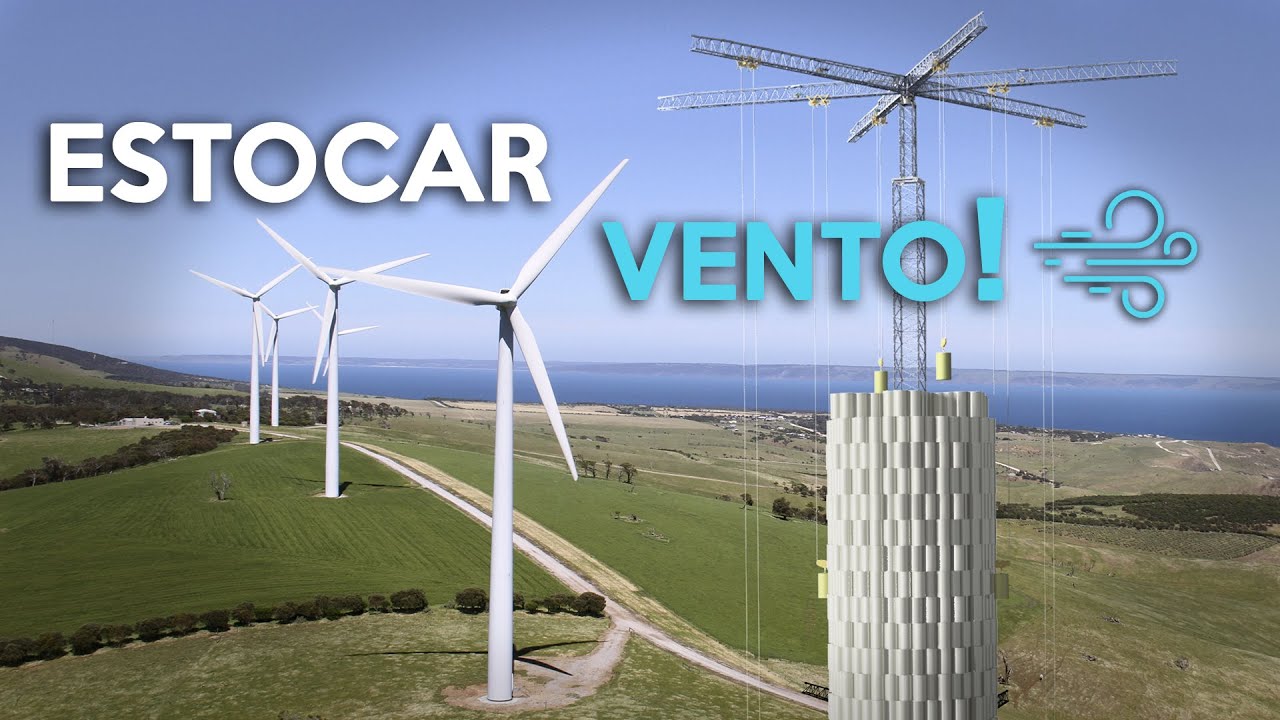
Brazilian Company Develops First Energy Storage Project Focused on Renewable Sources. The Project “Stores Wind” Will Play a Big Role in the Brazilian Energy Transition.
Currently, one of the biggest challenges facing Brazil is electricity generation. The lack of rainfall in recent years has increased the cost for distributors and overburdened hydroelectric systems. Conversely, there has also been an increase in investment in wind turbine farms and solar panels, considered clean sources of energy in the energy transition. With this, another challenge arises, which is energy storage generated by these sources.
Brazil Counts on New Energy Transition Project – Large-Scale Energy Storage

It is important to highlight that energy storage can help with other ancillary services, such as frequency control and automatic recovery, in addition to mitigating the impact of the instability of intermittent sources, such as solar, which contributes to reducing the operational demand of thermoelectric plants.
The company ISA CTEEP, a specialist in transmission and present in 17 states of Brazil, where 30% of the electricity transmitted in the country flows, recently inaugurated the first large-scale energy storage project in batteries within the transmission system. The purpose of the initiative is to avoid the activation of its diesel generators during peak hours.
-
Brazilian scientists are simultaneously advancing two research projects on clean hydrogen and driving solutions that could transform the energy matrix, enhance industrial competitiveness, and accelerate large-scale emission reduction targets.

-
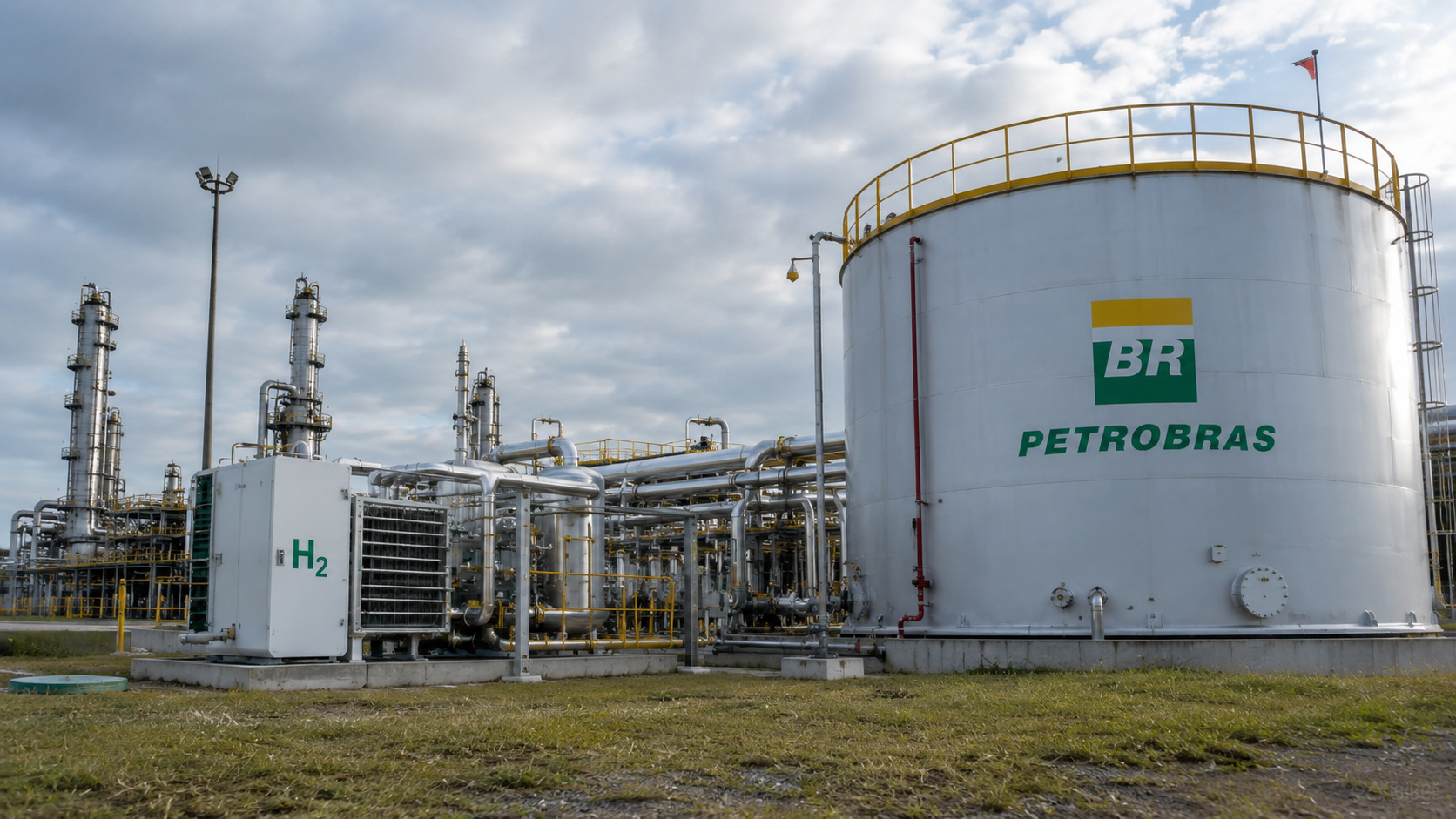
Advancement in renewable energy: A R$ 150 million project launched by Petrobras and Finep aims to create state-of-the-art electrolyzers for green hydrogen, strengthening national research and preparing Brazil to compete in a billion-dollar energy market.
-
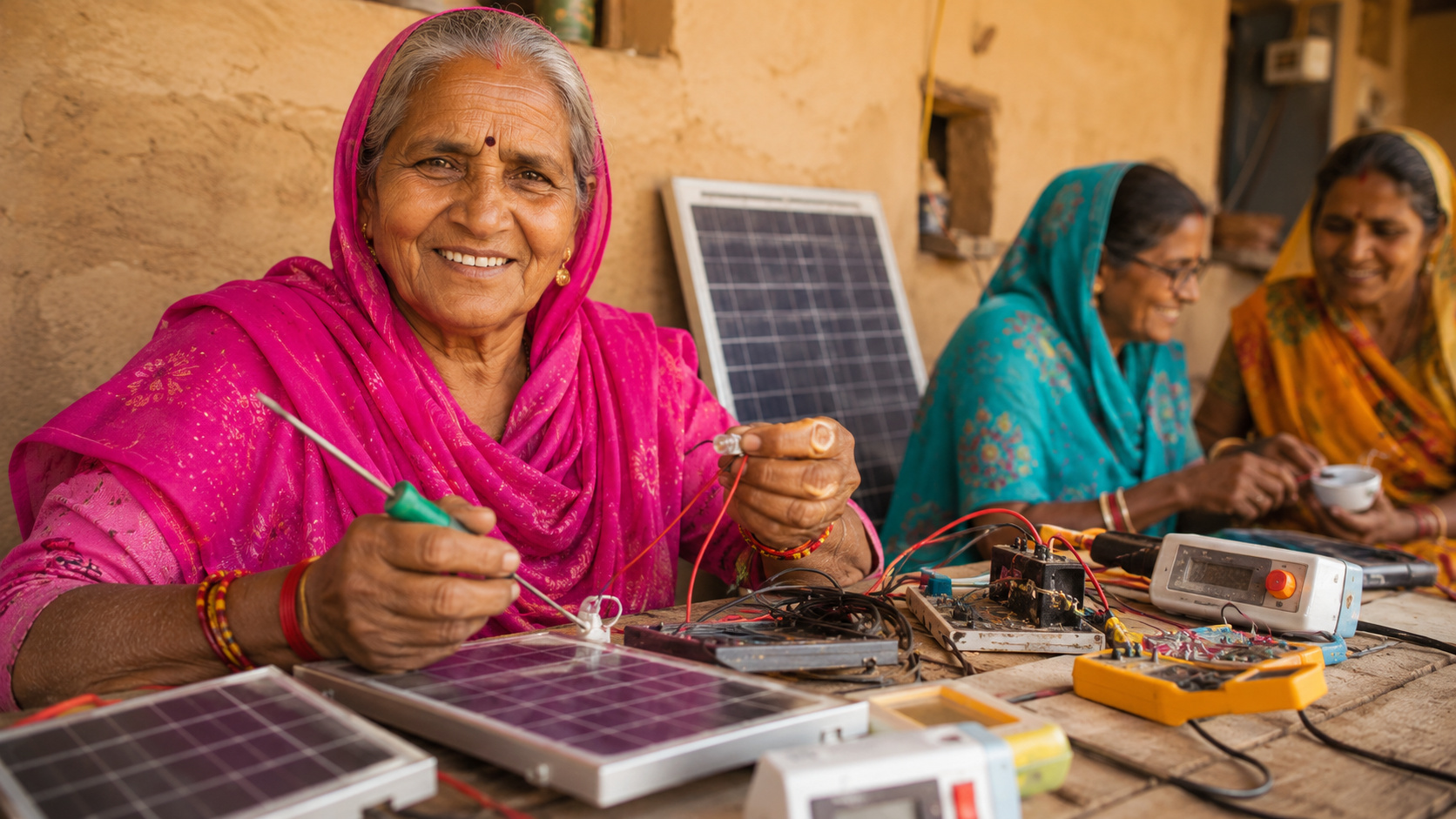
Illiterate or semi-literate grandmothers were trained to repair solar systems, open rural workshops, and light up homes that still depended on kerosene.
-
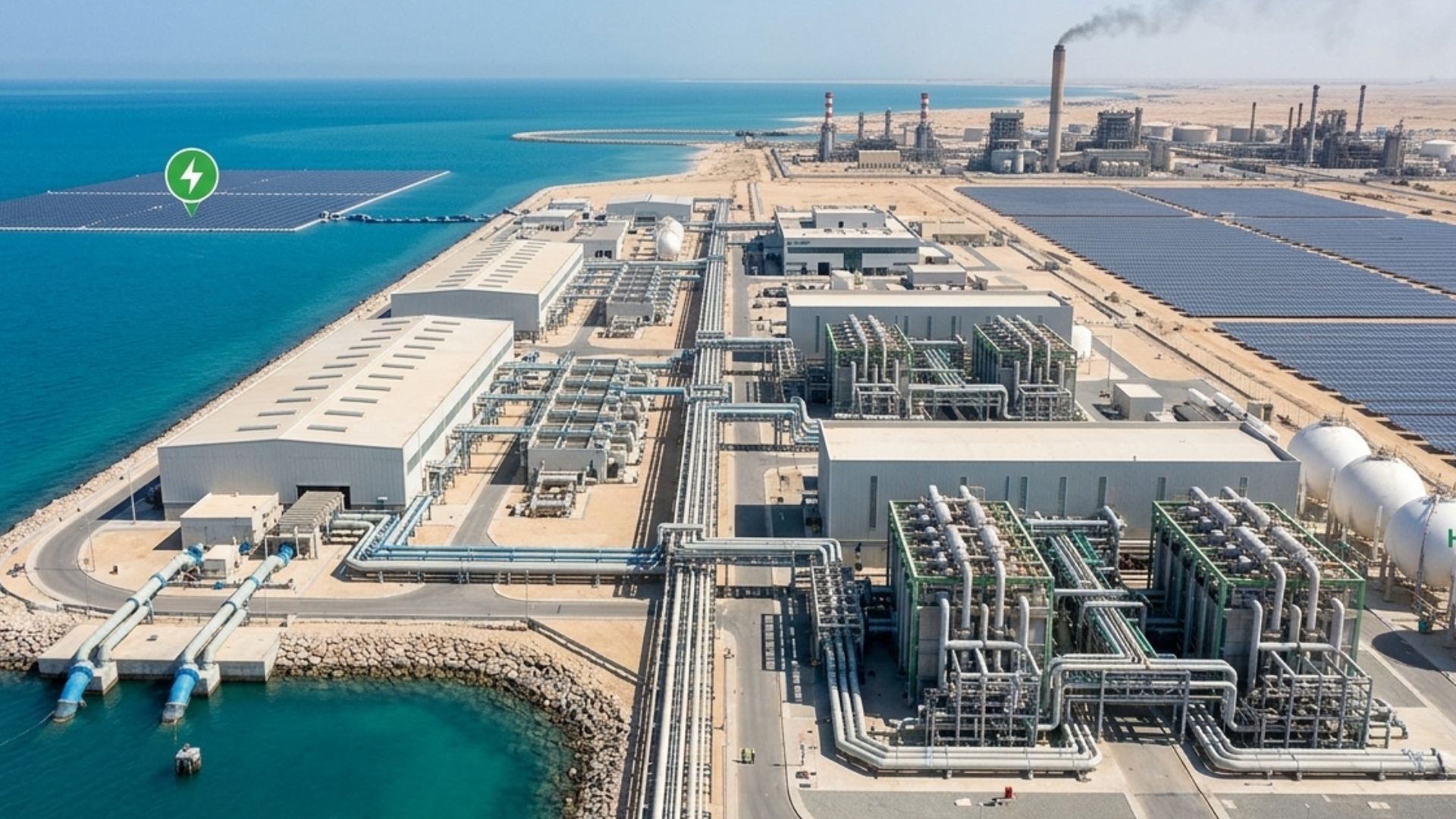
The world has bet on green hydrogen as the fuel of the future, but now faces the side effect: producing 1 kilogram requires about 9 liters of ultrapure water, and the largest projects on the planet are precisely in the driest regions of the Earth, where water is already scarce for people.

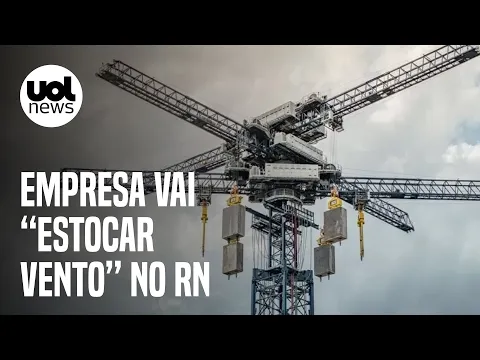
In a way, this venture is linked to what the current president of the BRICS Bank, Dilma Rousseff, stated at the opening of the UN in 2015. At that time, the president highlighted that Brazil did not have technology to “store wind”. Now it seems that this is finally possible, or rather, to store wind and solar energy to distribute it during peak hours, in the summer, as a reinforcement to the electrical grid.
Learn How the Project to “Store Wind” Works
The proposal from ISA CTEEP is to utilize a system that has a set of lithium batteries manufactured by Contemporary Amperex Technology Co., Ltd (CATL), the largest manufacturer of Lithium Iron Phosphate (LIFEPO4 or LFP) automotive batteries in China.
Each battery has a capacity of 30 MW and can provide electricity for up to 120 minutes, totaling an energy storage capacity of 60 MWh. This is the first time that the country has used this technology, which can be applied to over 29,000 kilometers of circuits, including both owned and jointly controlled assets, and in 133 substations with voltages of up to 550 kV.
The initiative presented by the company, in addition to generating less pollution, also eliminates the noise from generators, as well as the need to transport diesel to keep the equipment running, putting Brazil a step forward in the energy transition.
Furthermore, this venture contributes to the decarbonization of the system. The company estimates that, within two years of operation of “storing wind,” it will be possible to avoid the emission of approximately 1,200 tons of Greenhouse Gases (GHG). Thus, ISA CTEEP aims to carry out works in environmental preservation areas, such as the Serra do Mar State Park.
Solar and Wind Energy Can Attract More Investments
According to the president of ISA CTEEP, Rui Chammas, the new technology facilitates the use and encourages investment in renewable sources, as it acts in compensating for the variability of intermittent energy generation, which allows for increasing the integration of wind and solar sources into the National Interconnected System (SIN) and, consequently, mitigating pollutant gas emissions.
It is worth remembering that the Federal Government, with the aim of promoting clean energy sources, has eliminated taxes on solar panels. Among the taxes that will not be imposed on the equipment are import tax, Industrialized Products Tax, Cofins, and PIS.







Be the first to react!