






 Portuguese
  Spanish


How Mining Is Transforming Brazil Into a Global Giant!
In the vast Brazilian territory, mining plays a crucial role in the economy, with a growing impact since the early 2000s. The country, rich in natural resources, has experienced significant growth in this sector, driven mainly by technological advances and stricter regulations regarding sustainability. In recent years, efforts to balance mineral exploration with environmentally responsible practices have gained prominence. Trust in cleaner mineral extraction processes positions Brazil as a potential powerhouse on the global stage.
Recently, Brazil announced, in July 2023, strategic changes in the mining sector, aiming to modernize the industry and increase its competitiveness in the international market. The goal is to transform the extractive industry into a reference for sustainable practices, aligning with the climate commitments made globally. Sector leaders believe that through international partnerships, the country can achieve smart and sustainable development. This vision places Brazil on a path that seeks a balance between economic progress and environmental responsibility.
Strategic Commitments and Future Projections
A significant part of this effort includes the incorporation of cutting-edge technologies that enhance efficiency and safety in mining operations. In October 2023, new legislation was proposed to ensure that companies operating in the country align with the highest global standards. Alternatives such as process automation and the energy transition to renewable sources have been emphasized as fundamental for the sustainable growth of the sector.
-
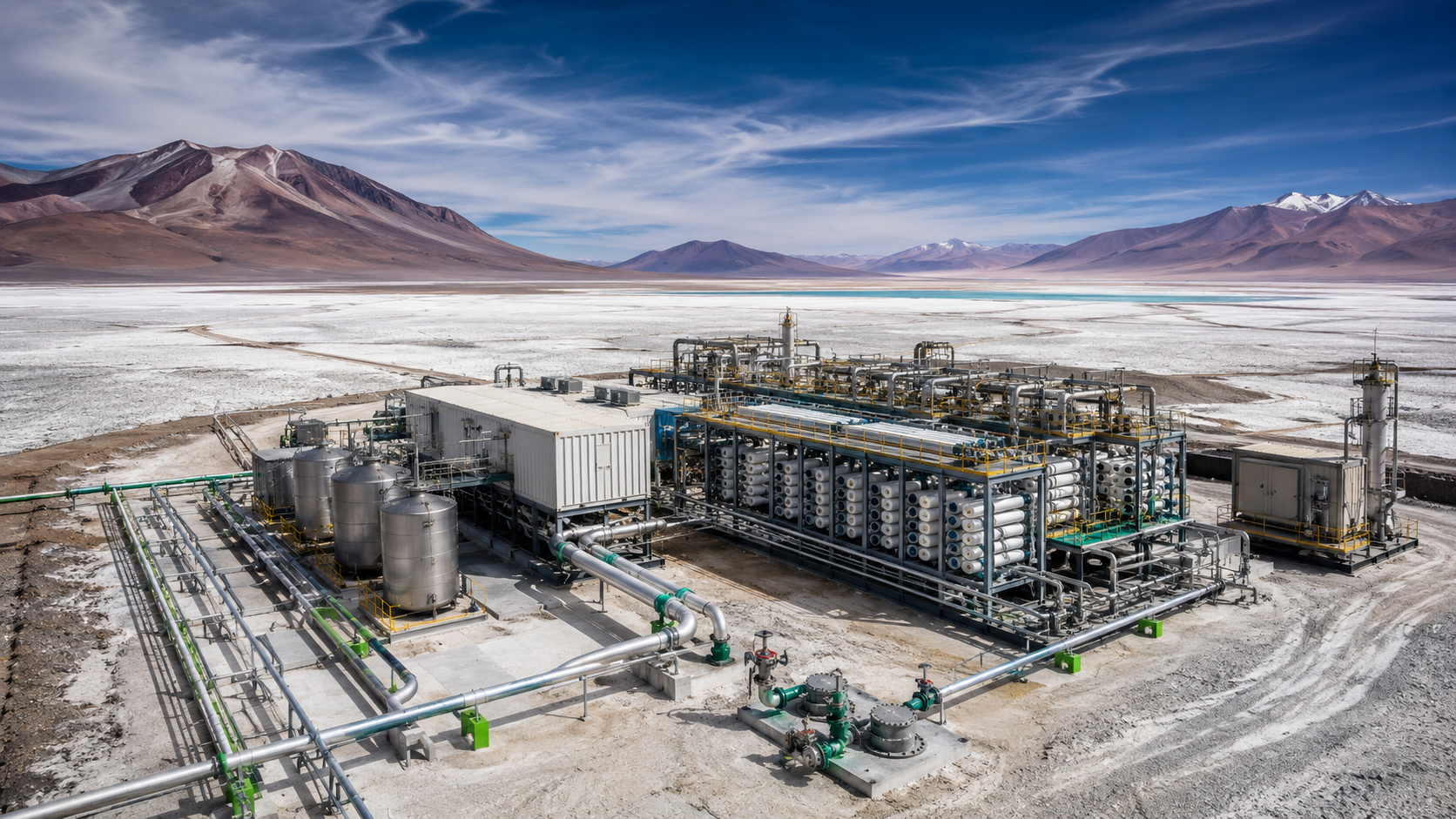
Eni Acquires 25% Stake in Chilean Lithium Project, Plans to Invest Up to $225 Million in Eco-Friendly Extraction Method

-
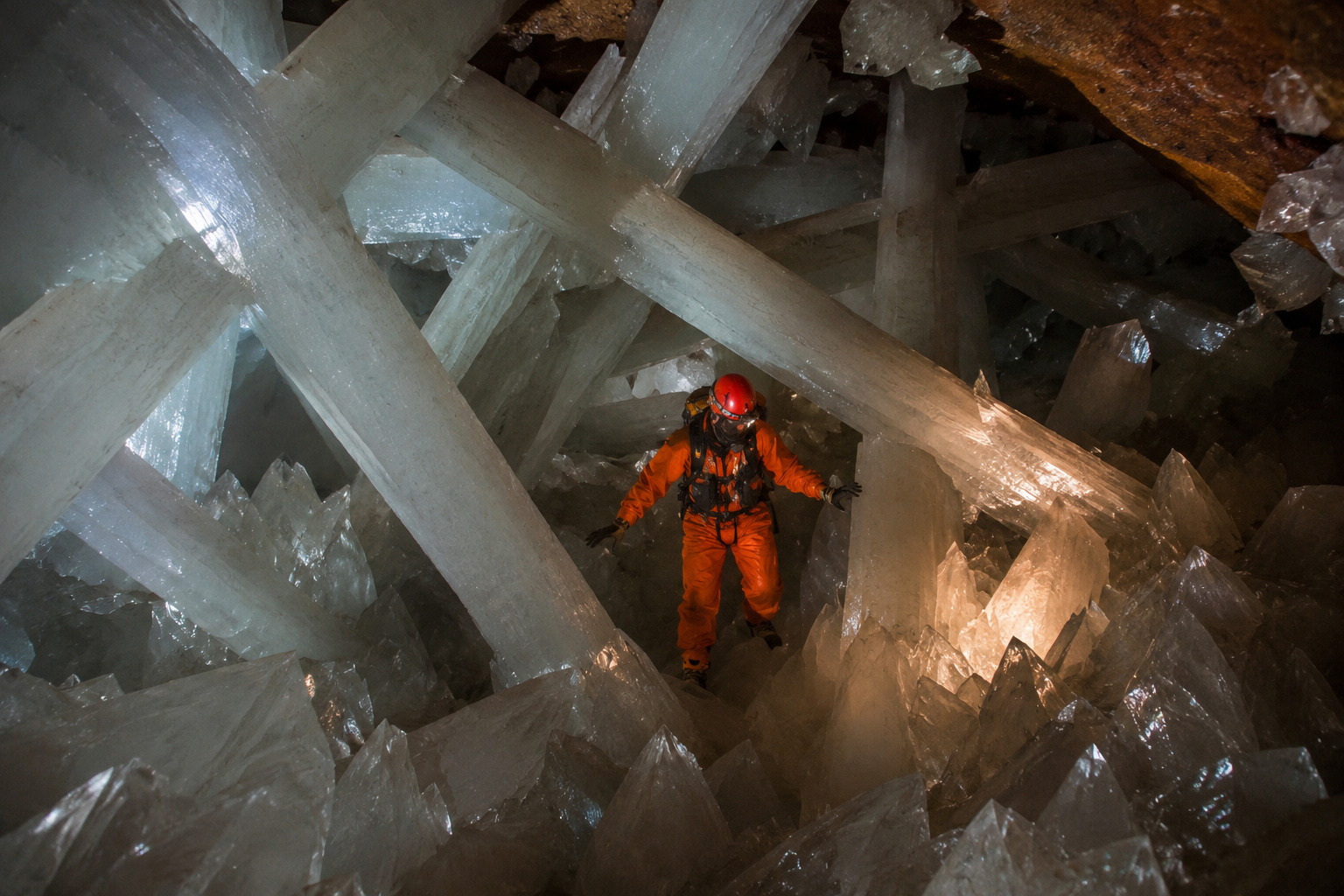
Mexico’s Giant Crystal Cave: A Deadly 58°C Underground Palace with 11-Meter Crystals Formed Over Nearly a Million Years

-
China Dominates Over 90% of Rare Earth Refining, Prompting Global Concerns: Canada and Japan Launch Billion-Dollar Plan to Reduce Dependency and Safeguard Batteries, Semiconductors, and Defense
-
Ancient Mines in Spain Reveal Tools and Metals That May Explain Bronze Age Trade with Scandinavia


Moreover, experts point out that the appreciation of mineral resources could provide Brazil with a unique opportunity to lead the mining sector in Latin America. In September 2023, international conferences held in Brasília strengthened strategic partnerships, aiming to make Brazil a key player in the global extractive market. Sources such as the Brazilian Mining Institute (IBRAM) indicate that these external collaborations should add significant economic value and enhance the country’s global reputation.
On the other hand, Brazil’s entry into OPEC+ during the same period has generated controversy. Critics argue that such a move contradicts climate commitments, a point raised by the Amazon Environmental Research Institute (IPAM) in criticisms published shortly after the announcement. They highlighted the need to maintain a national development that prioritizes the transition to a green economy and a better positioning of the country on the global stage.
Economic and Social Impacts
The economic impacts of mining in Brazil cannot be ignored. Data from August 2023 indicate that jobs in the sector continue to rise, with significant growth in vacancies over the past five years, especially in previously underexplored regions. Modernization offers opportunities for local communities, promoting social inclusion and improving the quality of life for workers in the extractive industry.
In summary, Brazil is at a crossroads. The path that the country chooses will shape not only the future of the mining sector but also its global reputation. Clearly, the fusion of innovation, environmental commitment, and economic strategy could redefine Brazil’s narrative on the world stage. The world is watching, and expectations are high for Brazil to become a model of sustainable development.
Contradictions at COP30 for Brazil
At COP30 held in Belém, Brazil’s contradictory behavior stands out, especially at a time when the country should be an example of global leadership. The insistence on investing in oil not only delays intelligent national development, but also represents a waste of time and resources on something that could harm us in the long run. This decision is a shock to those who expect the country to lead a sensible transition away from fossil exploration. This change is essential to ensure our survival on this planet, according to André Guimarães, executive director of IPAM.
In addition to its membership in the alliance with major global oil producers, Brazil also faces internal political pressure to advance studies on oil exploration in the Amazon River Delta Basin. However, the country is already adopting alternatives to oil exploration. Brazil’s energy matrix is mostly renewable, and it is crucial to invest in it to ensure that it remains clean and free from negative socio-environmental impacts. It is equally important to seek complementary solutions through biofuels, as Guimarães emphasizes.
The Challenge of Global Climate Balance
Steps taken against global climate balance are particularly concerning after the hottest year on record in human history, when temperatures exceeded 1.5°C above the global average prior to the industrial era. Brazil’s membership in OPEC+ is in clear contradiction with the climate commitments made and with the country’s attempt to lead the global climate agenda, along with other nations, to present greater ambition in their national climate goals. This movement also does not align with the internal efforts already underway in the national strategic plans for climate, ecological transformation, and energy transition.
The year 2024 highlighted extreme climate events both in Brazil and in other parts of the globe, resulting in deaths that could have been prevented. For Guimarães, reducing such occurrences will depend on redirecting policies, both national and international, to focus on clean energy sources, a commitment to zero deforestation, and the promotion of low-carbon agriculture. These are essential steps to ensure a more sustainable and stable future for the country and the world.
Source: IPAM Press







