Portuguese
  Spanish



According to Hartung, the alliance with oil-producing countries could jeopardize Brazil’s efforts in pursuit of sustainability and conservation of natural resources. He emphasized the importance of maintaining independence regarding agreements that could harm the environment and the national economy.
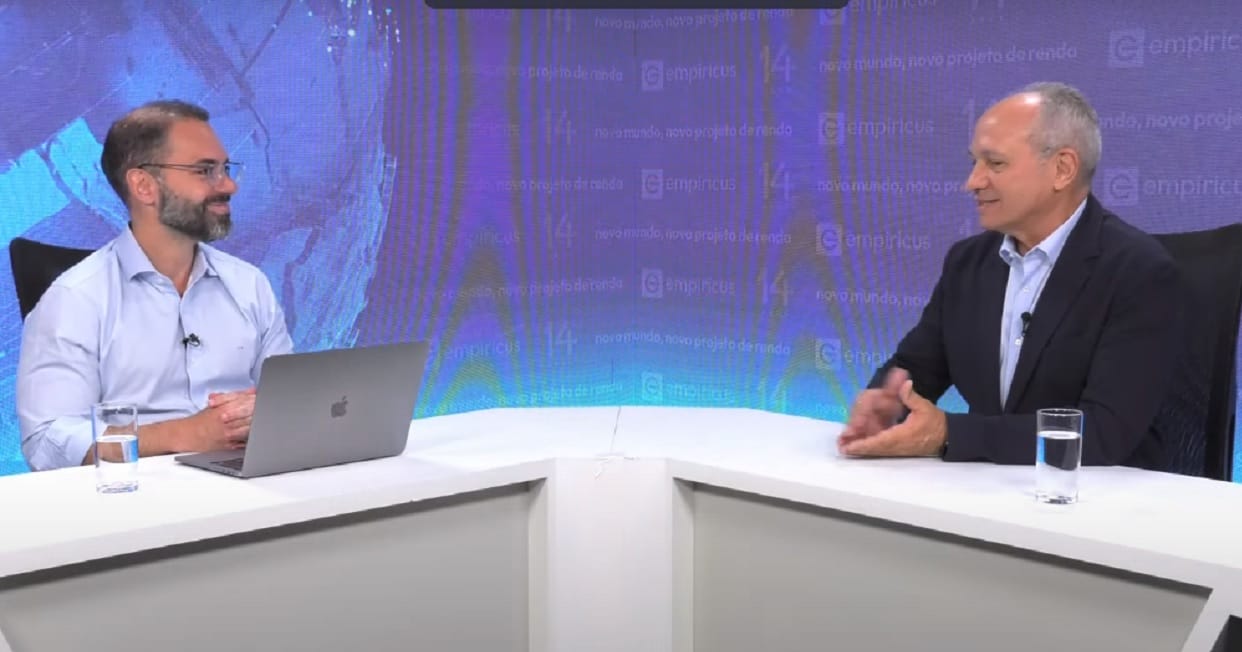
The former governor of Espírito Santo and environmental issues specialist, Paulo Hartung, criticized the potential entry of Brazil into OPEC+, a cartel that brings together the main oil producers in the world. This invitation was signaled by members of the government, including President Lula, who indicated that Brazil would be part of the organization, but as a mere observer.
In an interview with Felipe Miranda during a live stream celebrating the 14th anniversary of Empiricus, Paulo Hartung emphasized that Brazil’s mission is to end deforestation, mining, and land grabbing, as well as to establish institutions like the national carbon market. He stressed that the country must advance in second-generation ethanol, hydrogen, and other energy sources as part of the challenge of energy transition. For Hartung, this energy transition is a model for the world to perceive as committed to the issue, and the discussion about joining OPEC hinders that objective.
Paulo Hartung also recalled that Brazil received the title of ‘Fossil of the Day’ after joining OPEC. This award is ironically granted by the Climate Action Network (CAN), composed of activists in the field. In his opinion, Brazil should not have joined OPEC, as when Brazil’s image should have been strengthened, it ended up taking a counterproductive initiative.
-
Qantas and Airbus Invest in Company Aiming to Convert Unsorted Household Trash into Jet Fuel

-
Brazil’s ANP Opens 86 New Oil Blocks in the Equatorial Margin, Expanding the Amazon River Mouth Frontier

-
OPEC+ Boosts Oil Supply by 188,000 Barrels per Day in July 2026, Leading to Price Drop from $112 to $89 per Barrel in Under Two Months

-
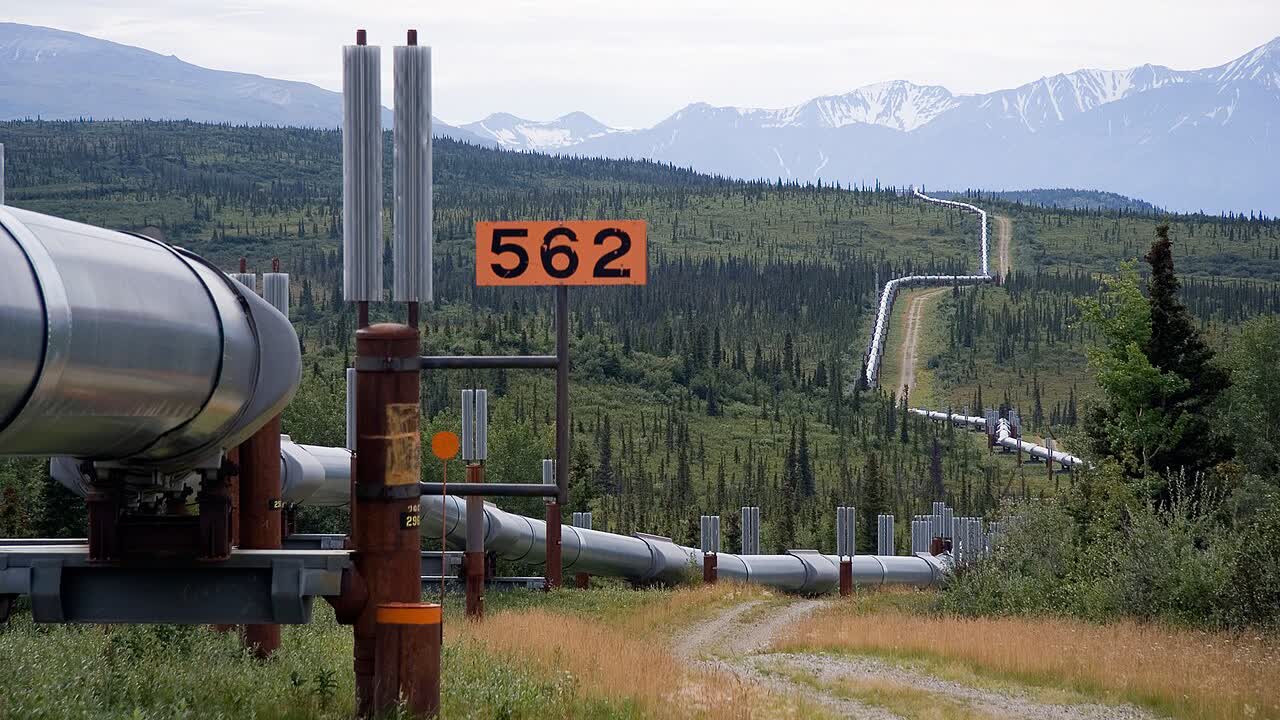
TotalEnergies Signs 20-Year Deal to Purchase 2 Million Tons of LNG from Alaska, Boosting Project Viability
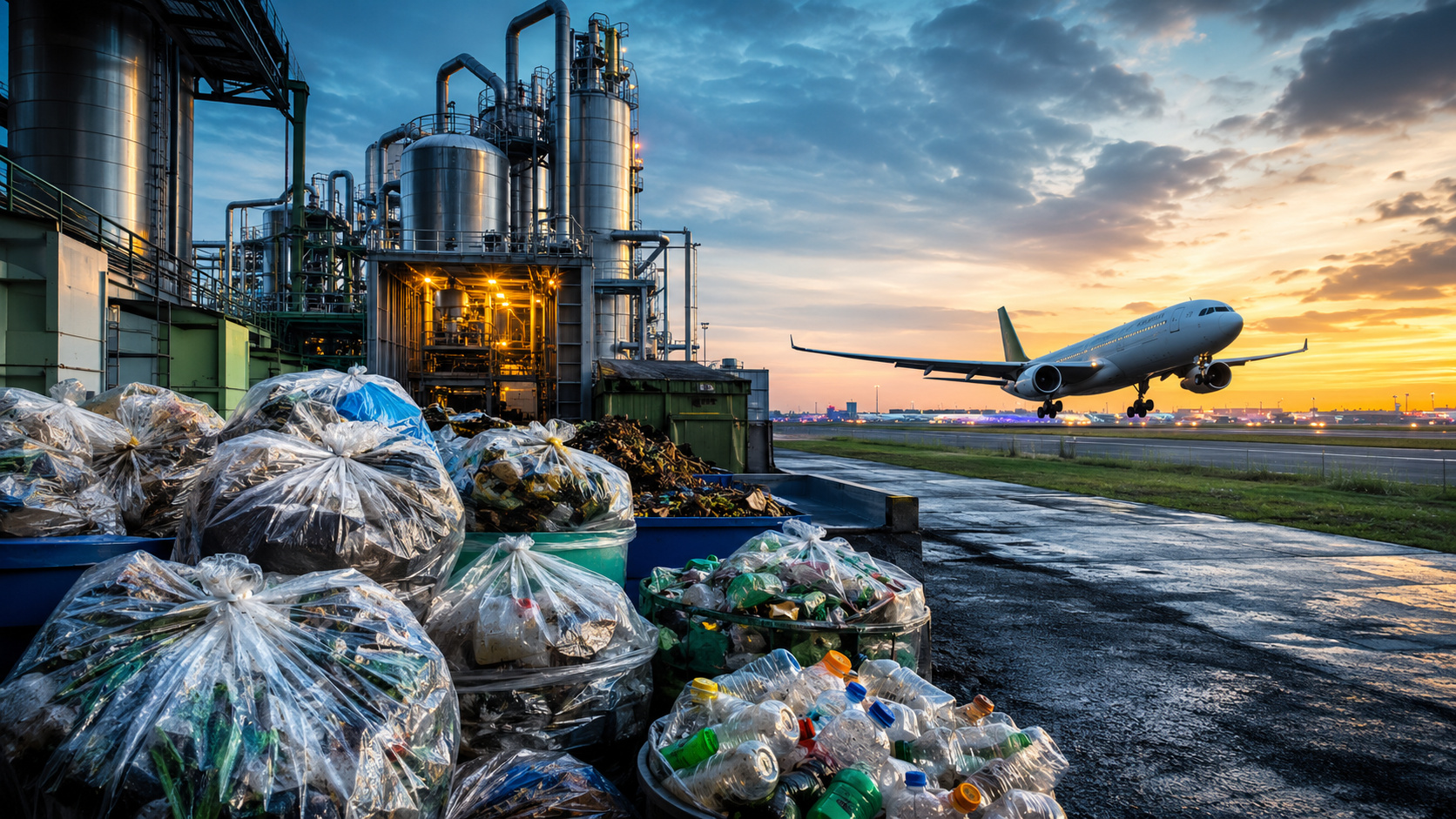


The specialist emphasized the importance of investing in other energy sources, but that does not mean Brazil should abandon oil production and exploration. He believes that Brazil and the government need to have balance, rationality, wisdom, and intelligence to make choices amid a world of conflicts, highlighting events such as the struggle between Hamas and Israel, as well as between China and the United States, and Russia’s invasion of Ukraine.
Paulo Hartung believes that Brazil should live in cooperation with the two ‘fighters’, prioritizing the well-being of the Brazilian population. He concluded by emphasizing that the country is going through a moment of rearrangement of globalization, which requires wise and strategic choices from the government.
Source: MoneyTimes