






 Portuguese
  Spanish
  2 min of reading
  0 comments


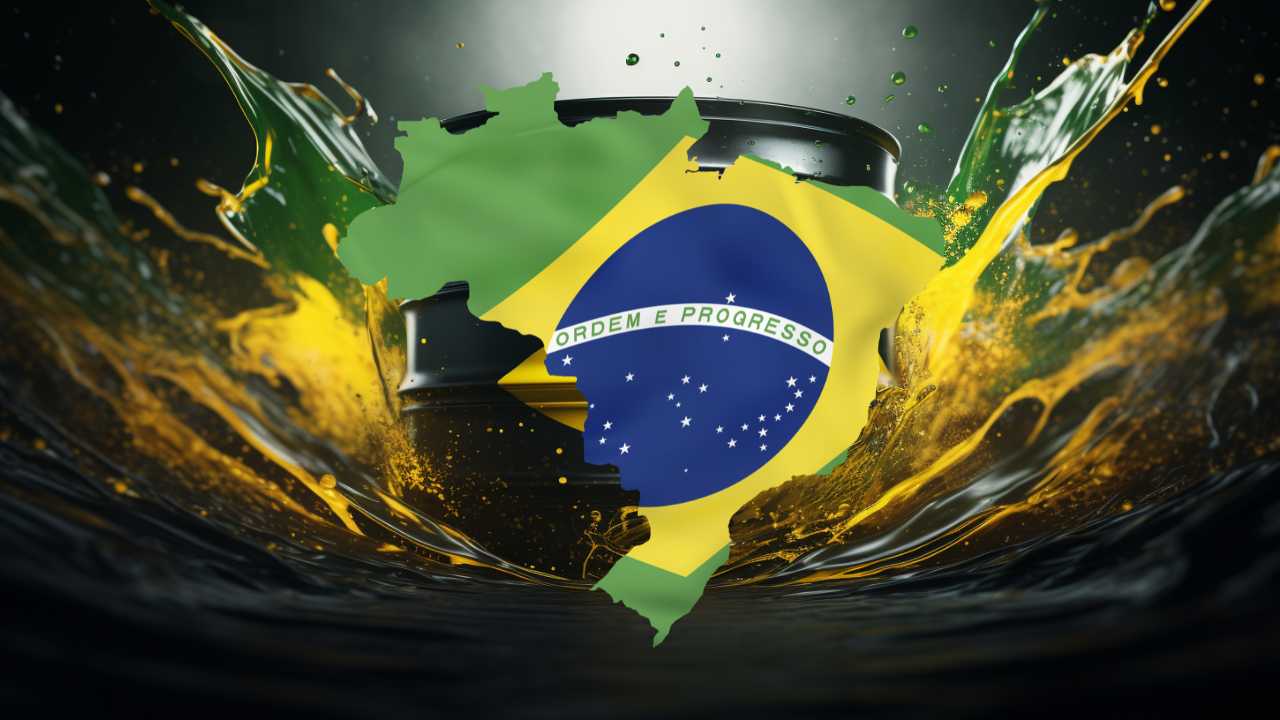
Brazil, Which Is Already a Power in Oil, Has One Foot in OPEC+ and Another in the Energy Transition. Brazil in OPEC+: A Masterstroke?
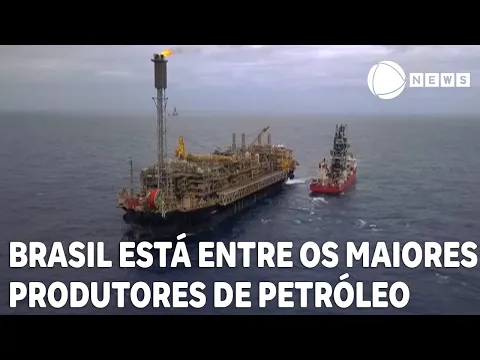
The invitation for Brazil to join OPEC+ is like a recognition that we are doing great in oil. With production booming, especially in the Equatorial Margin, Brazil could even double its production capacity. But there’s a catch: will joining this club be good for our economy?
Global Challenges, Oil Still Reigns
Worldwide, oil continues to be king. Despite all the talk of green energy, renewable energies are still quite expensive. And, with the United States’ oil reserves at a low, any conflict could cause oil prices to skyrocket. So, it seems that oil will reign for a good while longer.
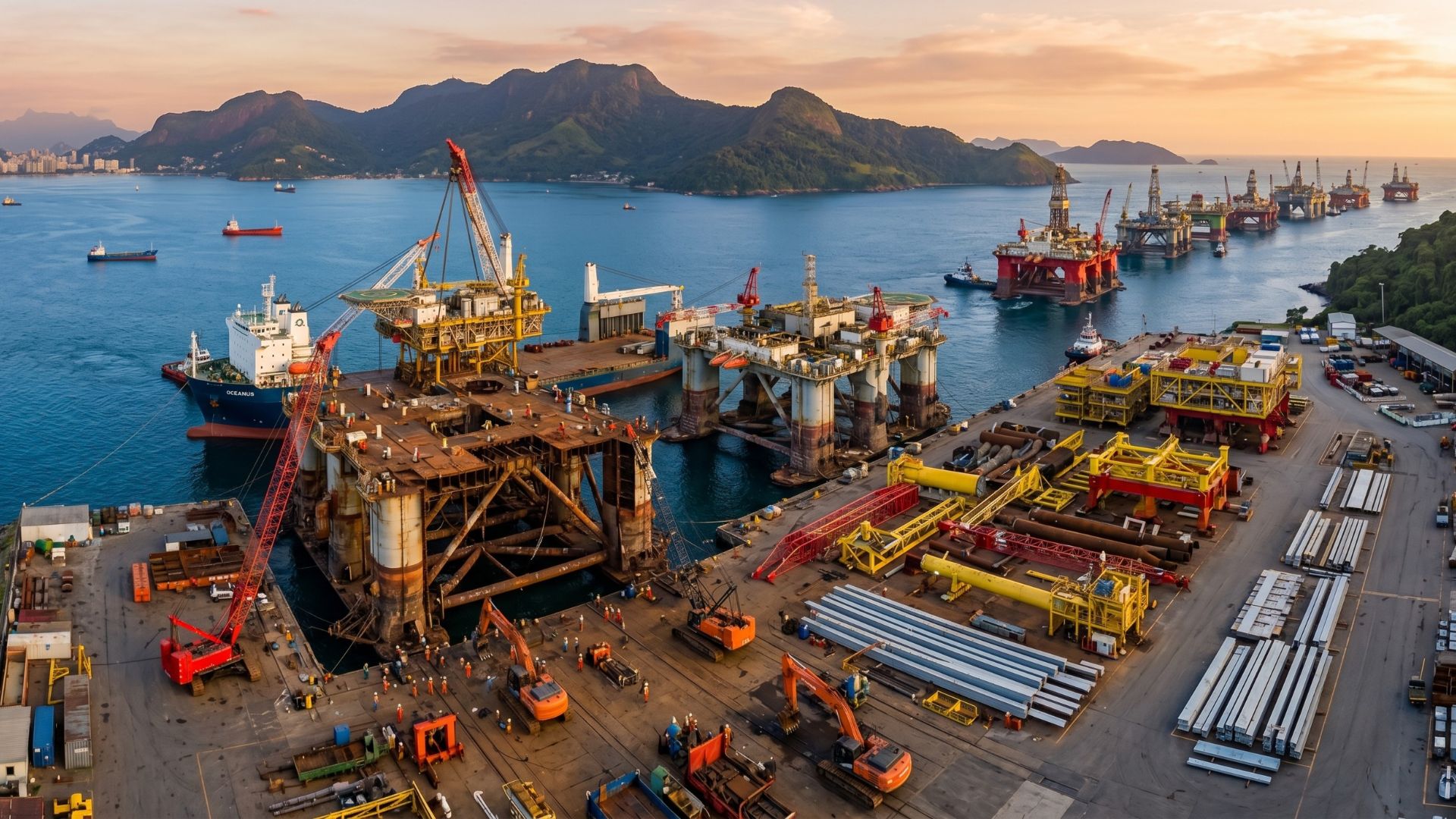
Petrobras has already shown that it can’t handle everything alone, so Brazil needs to invite outside investors to come here. But will joining OPEC+ and having to follow the club’s rules hinder these plans? It’s a question to consider.
-
IEA reduces forecast for global oil demand in 2026 after impacts of the Middle East crisis

-
Bank of Japan raises interest rates to 1%, reaching the highest level in over three decades

-
ANP halts LPG reform, and Sindigás sees technical caution as a decisive point for safety, investments, and the future of the cylinder in Brazil.
-
Oil spill in the Caribbean raises environmental alert and increases tension between Venezuela and Trinidad and Tobago





The Role of Brazil in COP 28
Now, talking about the environment, Brazil went to COP 28 with a speech about clean energy. We have a good portion of our energy coming from renewable sources, and the Amazon is a topic that unites everyone. But at the same time, joining OPEC+ seems somewhat contradictory. It’s like wanting to swim without getting your clothes wet at the same time.
And to wrap it up, we have the dispute between Venezuela and Guyana. Venezuela wants to take a part of Guyana that is rich in oil. If an invasion happens, Brazil can’t just stand by. And this whole story shows how oil still moves the pieces on the chessboard of international politics.
Brazil is at a crossroads: on one hand, we want to increase oil production; on the other, we have to think about the energy transition. And amid all this, we still have to keep an eye on international movements. Oil is still king, but the future demands change. So, what will Brazil’s move be? Stay tuned as we keep an eye on this geopolitical chess game. Until next time, folks!






Be the first to react!