Portuguese
  Spanish


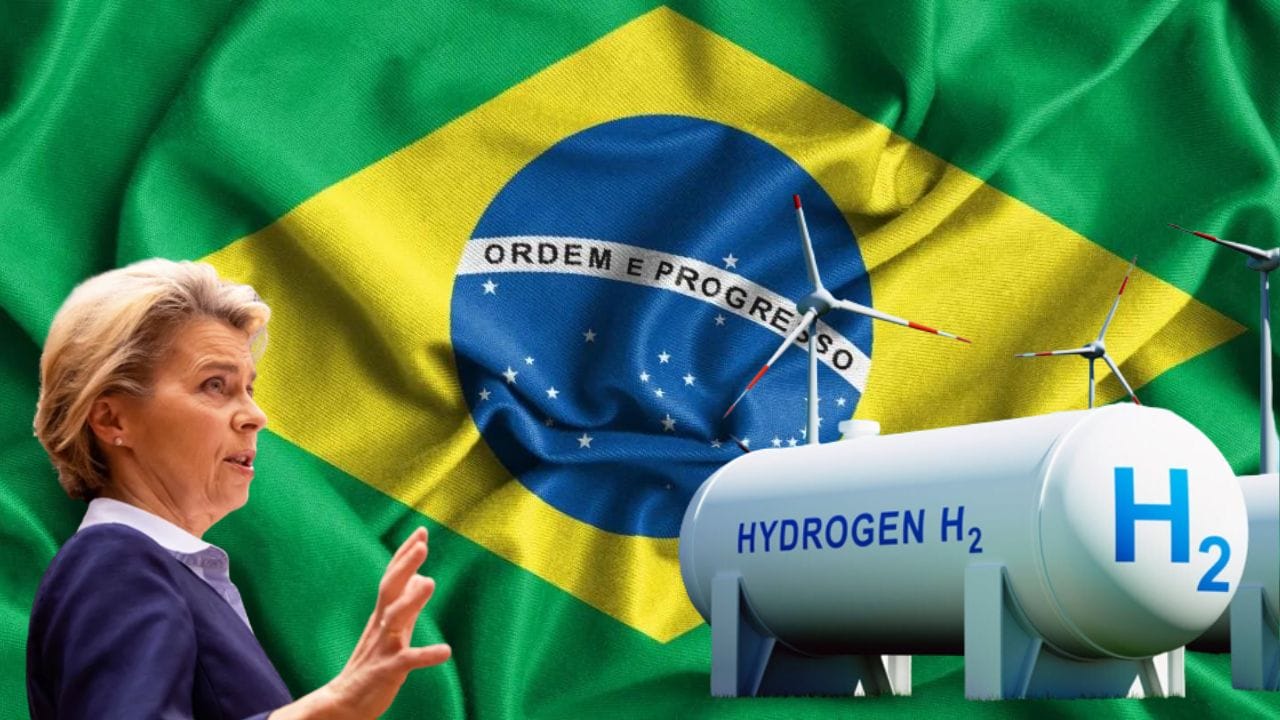

After The Invasion Of Ukraine By Russia, The European Union Found Itself In Need Of Diversifying Its Energy Sources To Reduce Dependency On Russian Oil. Brazil Then Emerges As A Light At The End Of The Tunnel, Since It Has A Largely Renewable Energy Matrix.
The green hydrogen, or H2V, is a source of clean energy that has recently gained the spotlight. Despite the high production cost, hydrogen is the most abundant element in the universe. The challenge lies in isolating it from other elements efficiently and sustainably.
The electrolysis of water emerges as an effective but costly process that separates hydrogen from oxygen, generating clean energy. More than 83% of the Brazilian energy matrix comes from renewable sources such as wind, solar, and biomass.
This scenario makes Brazil an ideal candidate for the large-scale production of green hydrogen. Since electrolysis requires a large amount of energy, there is no better option than to turn to a country that has plenty of clean energy.
-
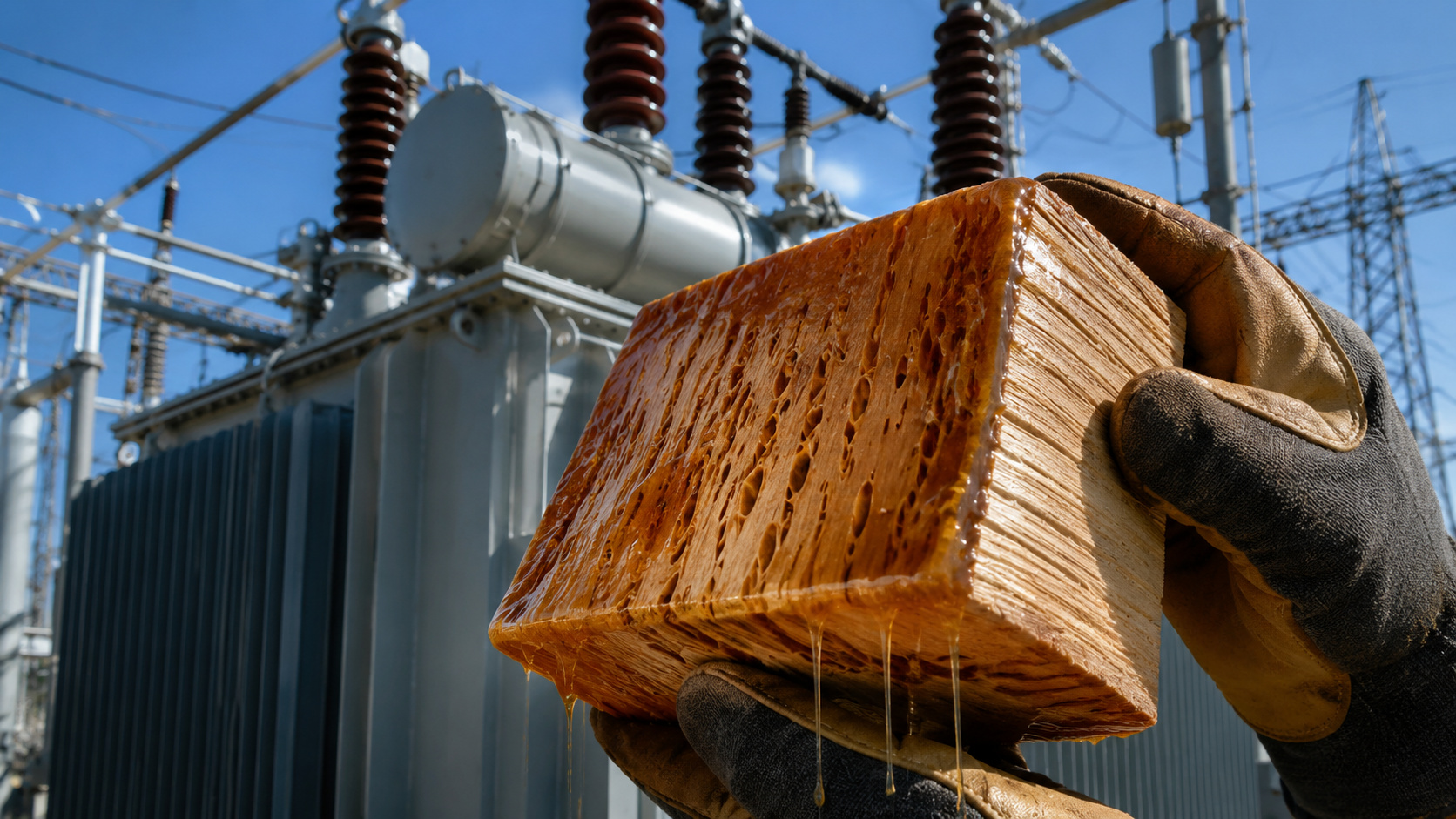
Wood has ceased to be just a construction material in Yale research and has become insulation for electrical transformers that face intense heat, aging, and increasing pressure from the renewable energy-powered grid.

-
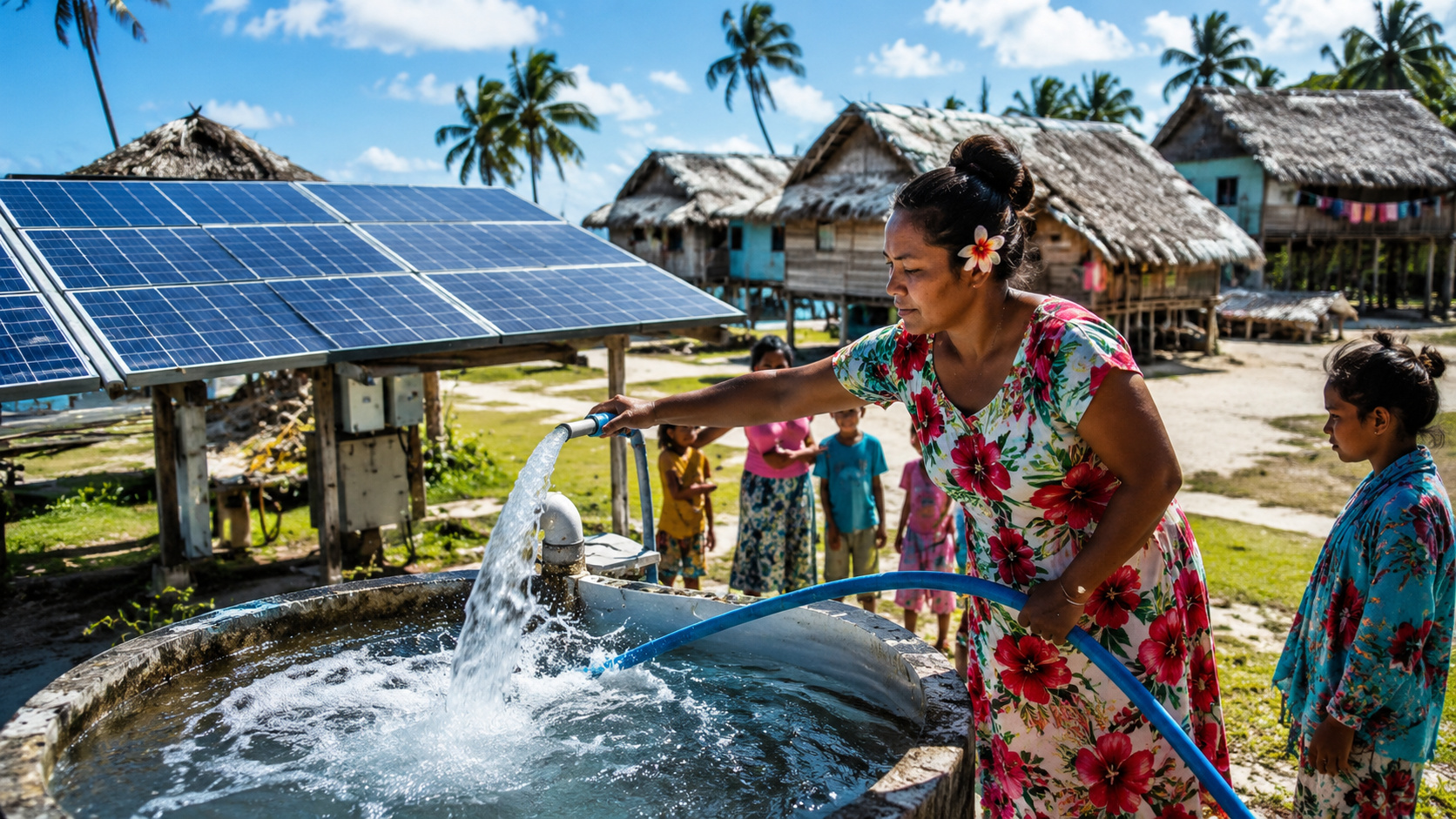
More than 1,000 residents of a remote island in Kiribati now have clean water and electricity with solar systems operated by the community itself.
-
Ceará brings together 7 giants and R$ 66 billion to transform Pecém into the largest green hydrogen hub in Brazil, with final decisions expected by the end of 2026.

-
Scientists Convert Factory Waste Heat into Hydrogen Using Perovskite Catalyst at Significantly Lower Temperatures
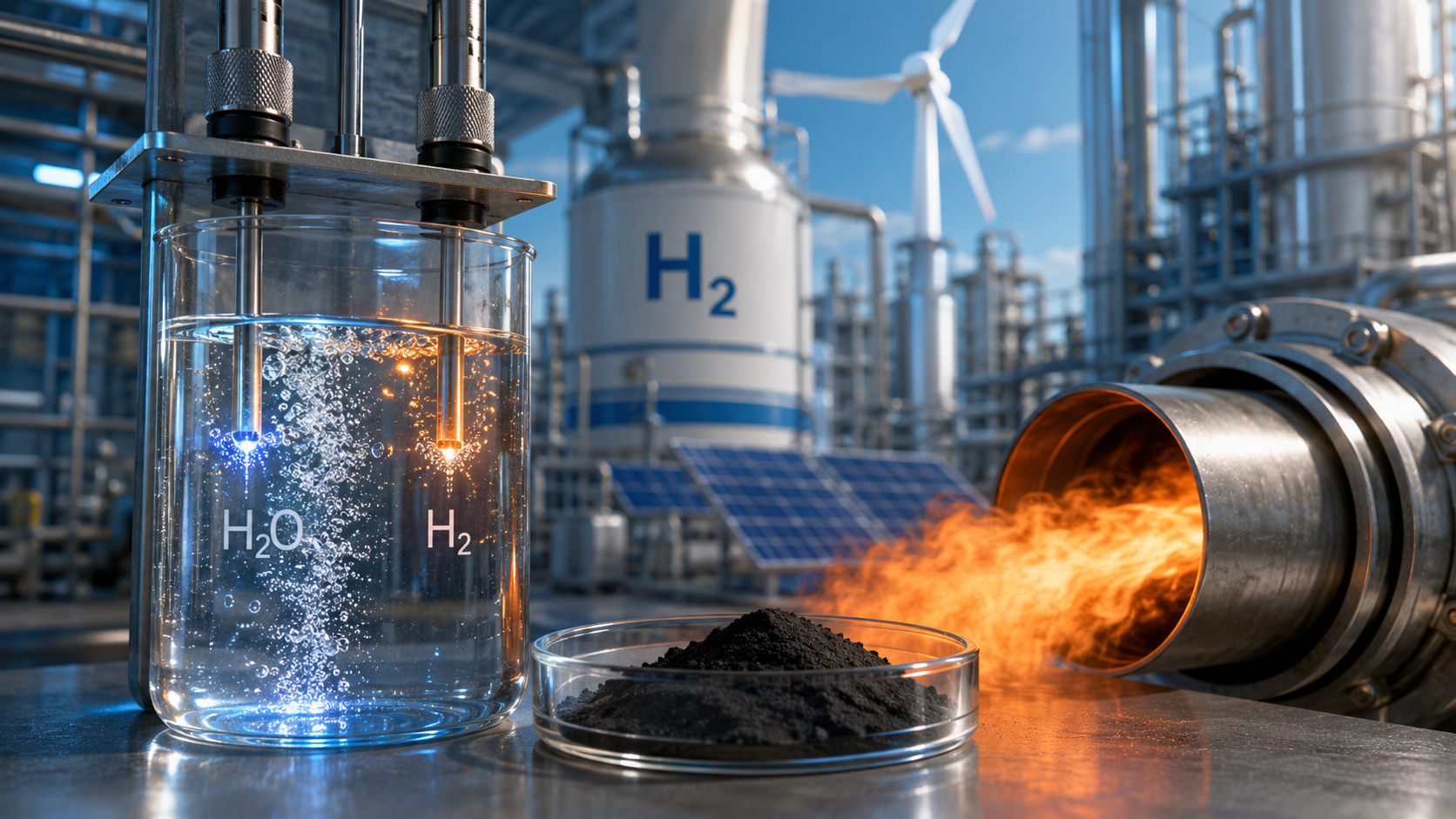
Billion-Dollar Investments: The European Union Bets Big On Brazilian Hydrogen


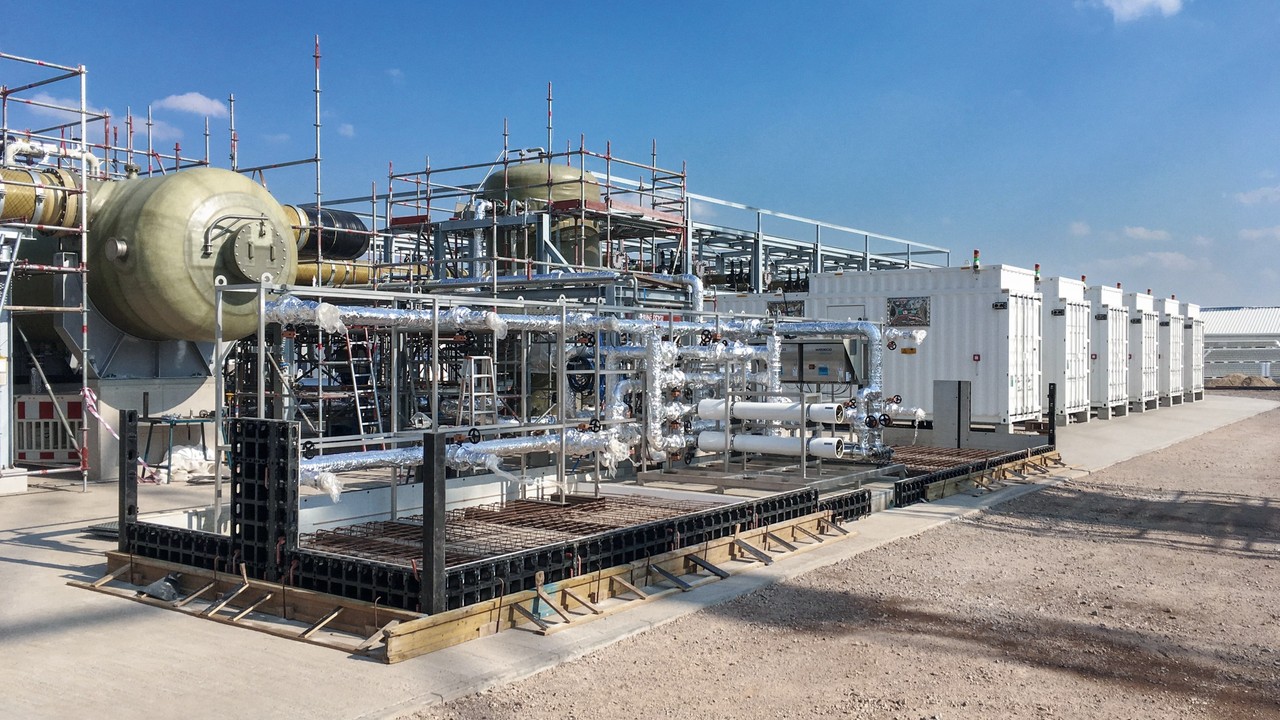
The European Union has already announced investments of around 2 billion euros in the production of green hydrogen in Brazil. Partnerships with Brazilian companies are already underway, such as the case of Unigel in Bahia, which has an initial investment of 120 million dollars for the production of green hydrogen and green ammonia.
The world is experiencing a moment of energy transition. Oil, although still a key player in the global machinery, is on borrowed time.
Green hydrogen emerges as a promising alternative, and Brazil, with its potential in renewable energies, has everything to become one of the leaders of this upcoming green revolution. The European energy crisis could be the spark that was needed to accelerate this change and put Brazil on the global map of green hydrogen.