






 Portuguese
  Spanish


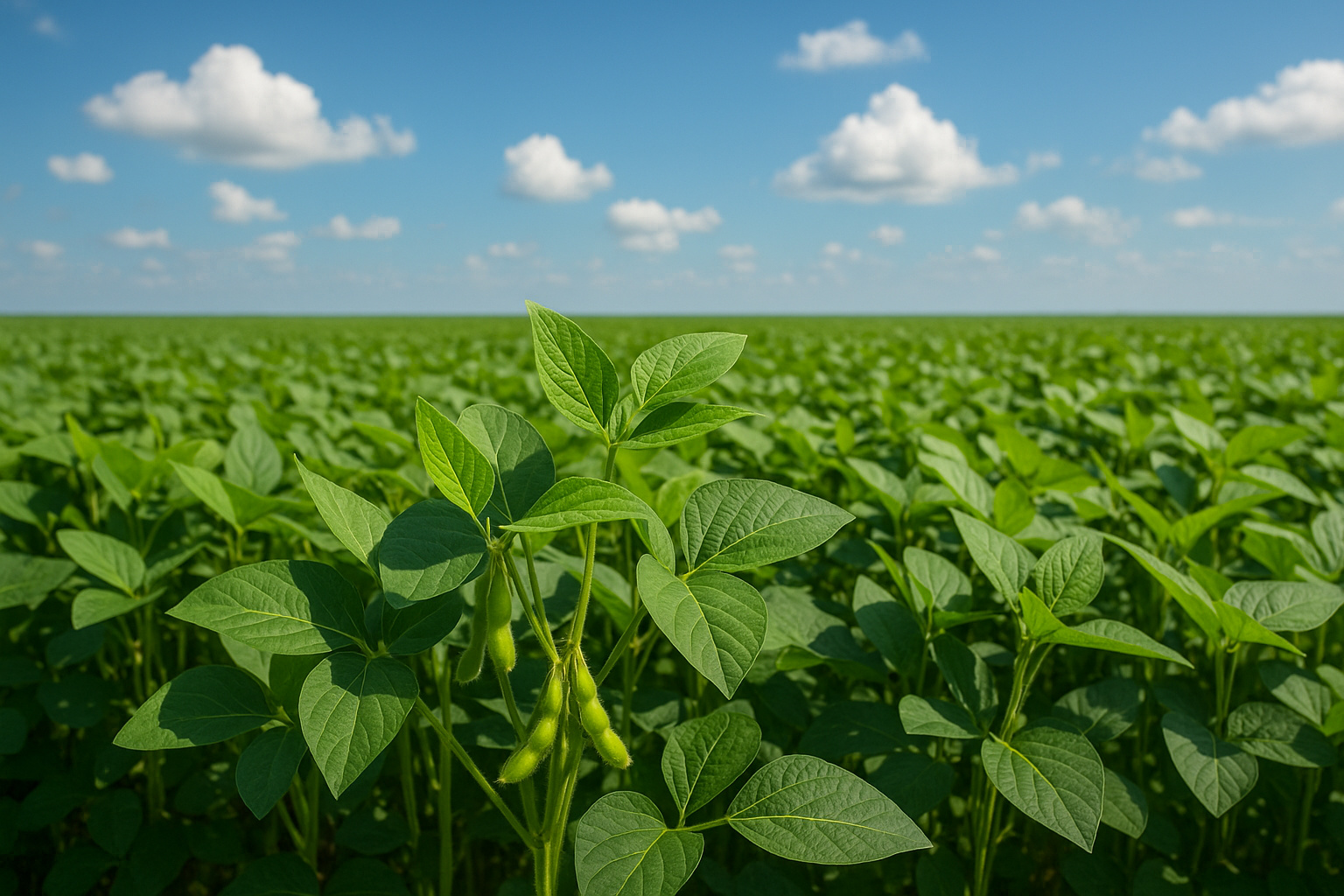

Brazil Aims for Record Productivity with Biotechnology and Precision Management
Since 1965, when the national productivity of soybeans was only 11 sacks per hectare, the country has undergone remarkable transformations.
Today, the national average is around 60 sacks per hectare, with technologically advanced farms reaching up to 100 sacks.
Additionally, small experimental fields from the National Maximum Soybean Productivity Challenge, promoted by CESB, have already exceeded 144 sacks per hectare.
These results demonstrate the productive potential of Brazilian soil, provided it is combined with the use of appropriate technologies.
Scientist Predicts Unprecedented Scenario for Brazilian Agriculture
During the 10th Embrapa Congress, held in Campinas in July 2025, agronomist Tuneo Sediyama made a bold prediction.
With over 60 years of experience in the sector, he stated that Brazil could reach 300 sacks per hectare.
To achieve this goal, it will be essential to integrate tools such as genomics, proteomics, biochemistry, and plant physiology.
Furthermore, Sediyama advocates for the intensive use of biological nitrogen fixation.
According to him, this advancement will be just the beginning of a new agricultural revolution.
Strategies Include Genetics, AI, and Alternative Fertilizers
To reach this unprecedented level of productivity, experts advocate for the use of modern and sustainable practices.
Recommended actions include efficient soil and crop management, increasing organic matter, and utilizing bioregulators.
Another essential point involves the use of drones, artificial intelligence, and robotics in monitoring and application stages.
The adoption of alternative fertilizers is also considered strategic, especially in areas facing soil challenges.
The development of cultivars more tolerant to climate stress completes the list of priorities.
-
Young Entrepreneur Expands from 50 to 1,400 Chickens, Proving “Happy Hens” Can Be a Viable Business

-
Small Farm in Brazil’s Minas Gerais Produces 403 Liters of Milk Daily, Sets Benchmark for Rural Producers
-
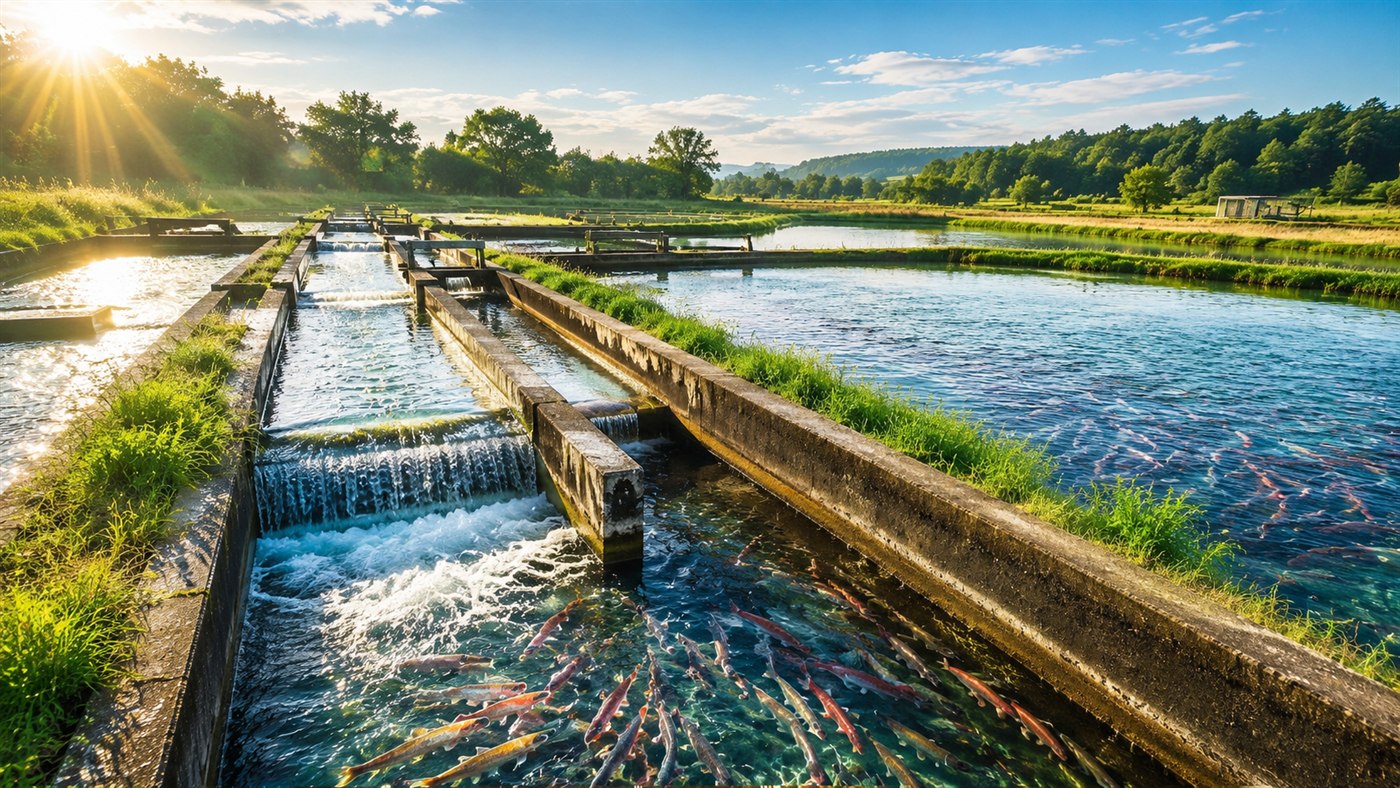
Man Revives 1930s Abandoned Trout Farm, Learns from Scratch, and Earns $1.1 Million Annually Selling Fish to Michelin-Starred Restaurants

-
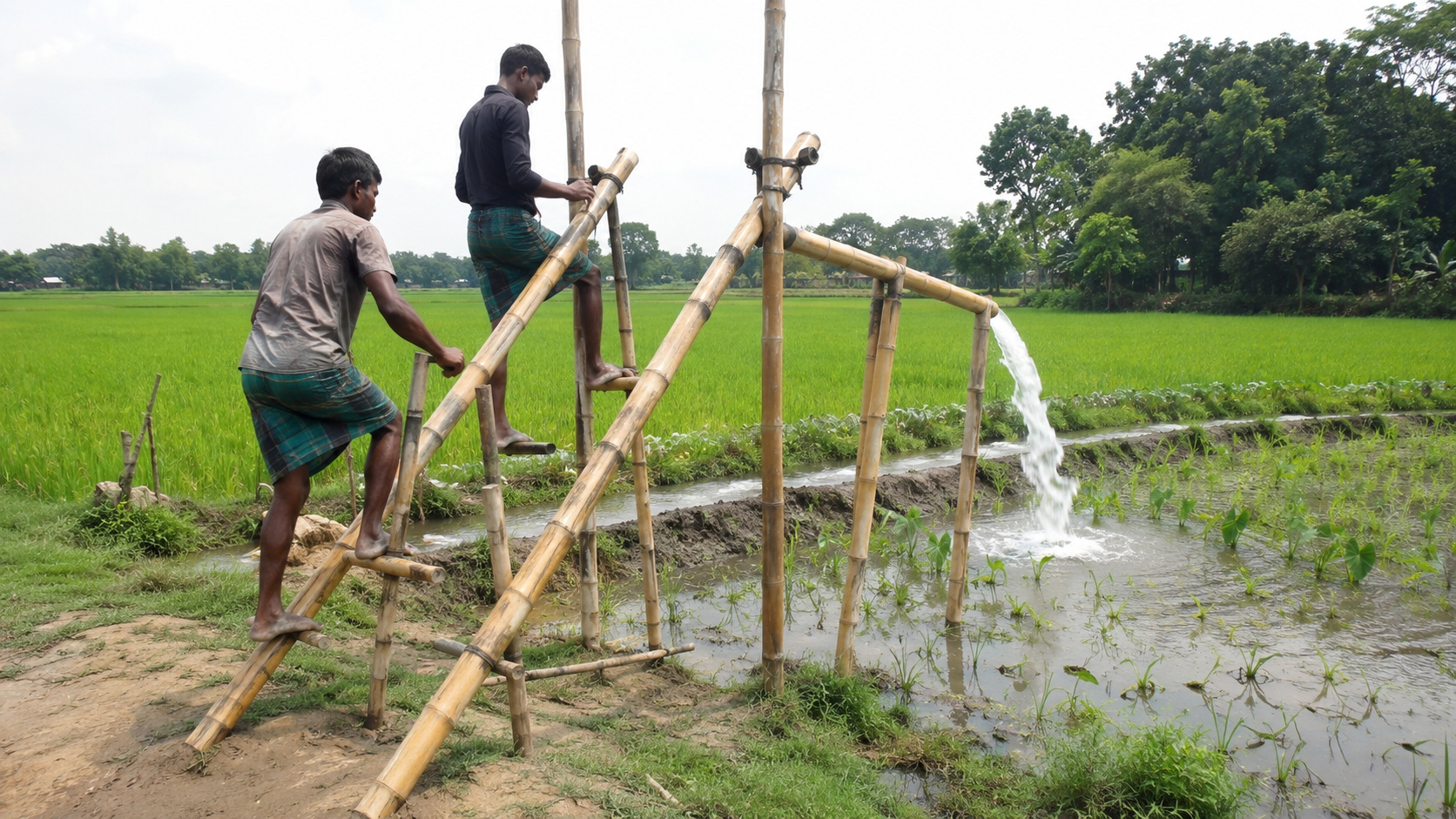
Bangladeshi Farmers Use Bamboo Levers to Pump Thousands of Liters of Water Daily Without Engines or Electricity


Market Sees Potential but Acknowledges Challenges
Researchers highlighted the advances made in the 50 years of Embrapa Soybeans, but warned of obstacles ahead.
Factors such as unstable prices, climate change, and high operational costs still hinder the expansion of technologies.
In Argentina, for example, Rodolfo Rossi (ACSoja) criticized the lack of government incentives, which have stalled investment in innovation.
Gene editing will be the next step.
This technology, they say, will allow for significant productivity gains with a lower environmental impact.


