Portuguese
  Spanish



UpFlip’s visit to Ty Walker’s farm in Virginia opens the complete business spreadsheet: $218,000 profit, 19.8% margin, the spring of 3,000 gallons per minute, and the day he had $6 in the account
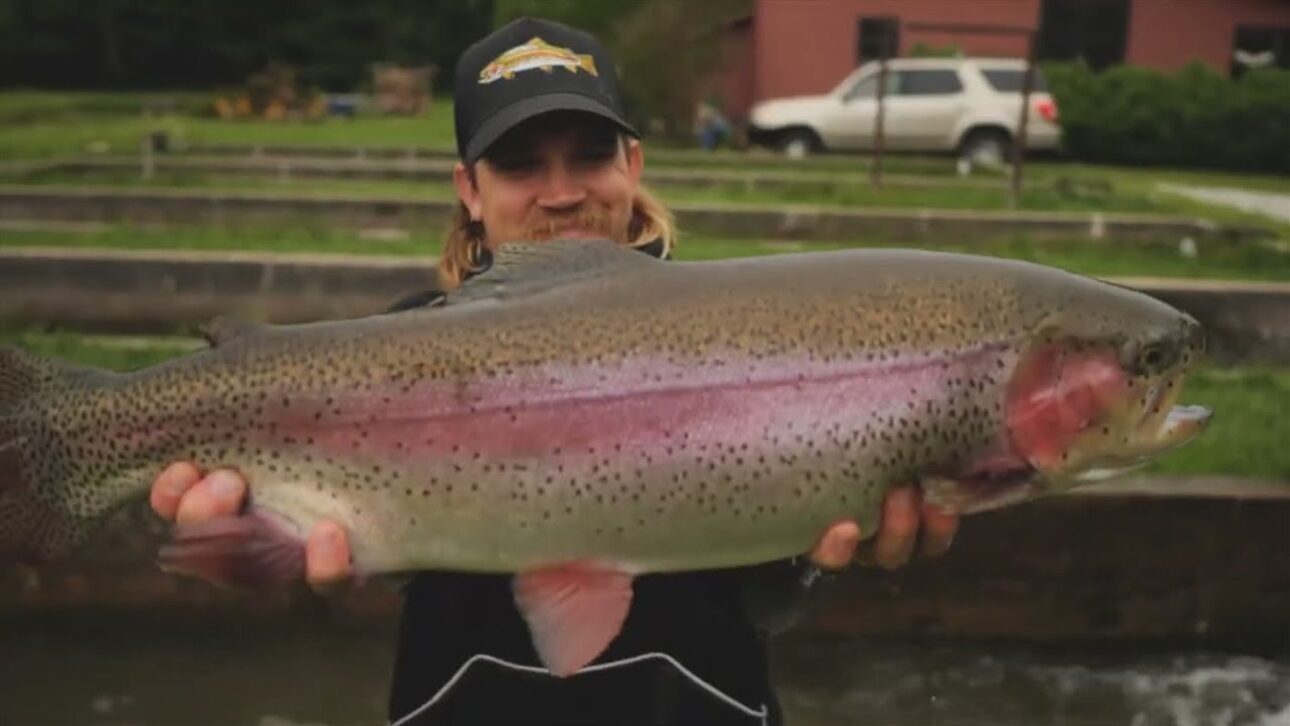
Buying an almost century-old ruin and turning it into a supplier for a starred restaurant sounds like a movie story, but it has a spreadsheet. According to the UpFlip channel, in a visit published in June 2026 to the Smoke in the Chimneys farm in southwest Virginia, Ty Walker bought an abandoned trout hatchery from the 1930s, learned everything from scratch, and now earns about $1.1 million a year selling fish.
The destination of the fish explains the value. The farm’s trout ends up on the menus of Michelin-starred restaurants across the country, with 85% sold fresh to restaurants and 15% frozen or smoked for markets, cooperatives, and direct consumers, as UpFlip shows. And the most surprising thing: Ty started with no experience with fish, no debt, and without spending a cent on advertising.
The spring of 3,000 gallons per minute that keeps the business running
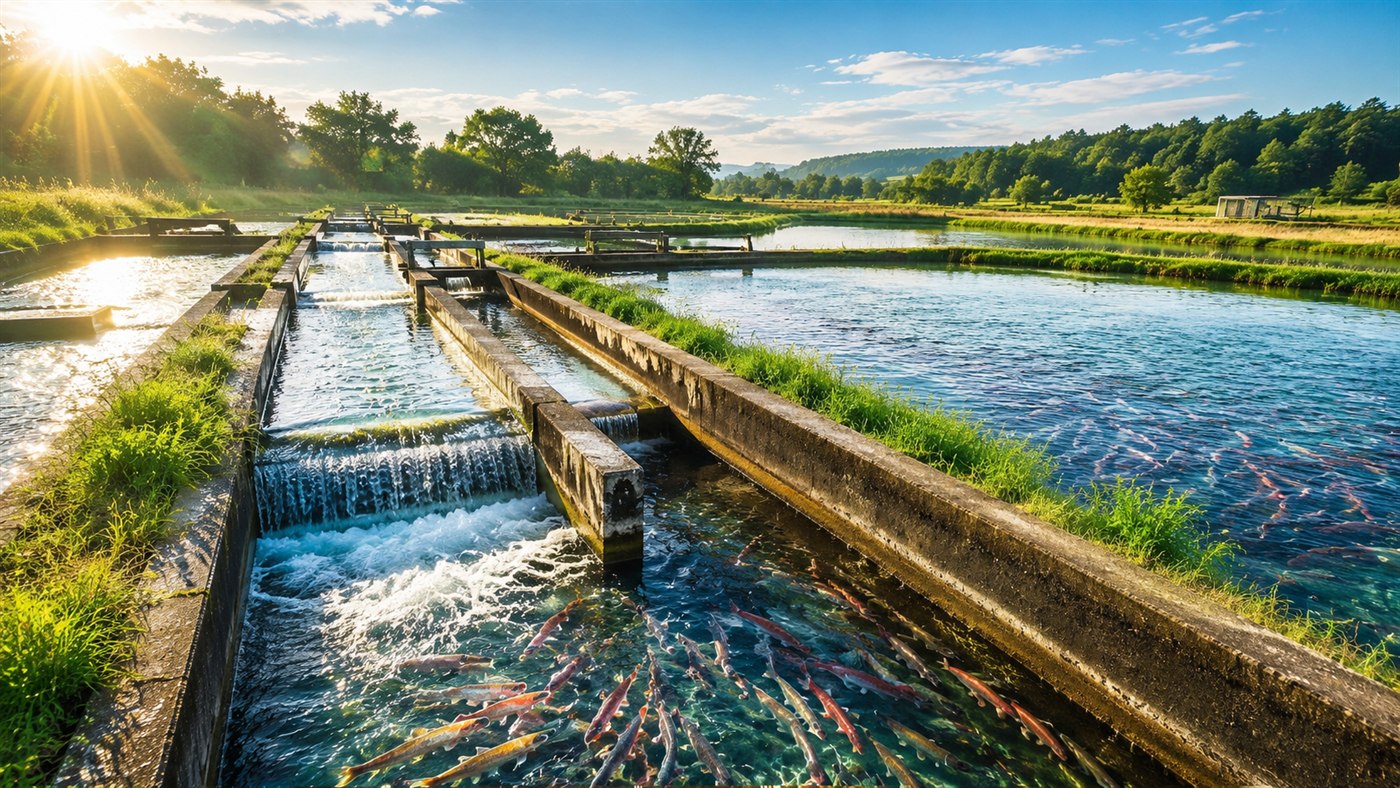
The most valuable asset of the farm is not built, it is natural. According to UpFlip, the 4-acre property, almost entirely of tanks, has a limestone spring that pours 3,000 gallons of water per minute and feeds the channels and tanks by gravity, without the need for pumps.
-
Bangladeshi Farmers Use Bamboo Levers to Pump Thousands of Liters of Water Daily Without Engines or Electricity

-
Brazilian Forests Could Expand by an Area Twice the Size of Switzerland by 2035, but Agricultural Sector Holds the Key, Study Finds

-
Brazilian Student Develops Solar-Powered Agricultural Machine Capable of Processing 250 Kilograms per Hour

-
Brazilian Farmer’s Viral Video on Onion Prices Opens New Income Opportunities Online


Water is the secret of the flavor. Trout is 80% water, so the quality of the spring is the biggest factor in the taste of the fish, and the temperature of 52 to 54 degrees Fahrenheit is ideal for raising trout year-round, which allows harvesting fish every Monday, in the 52 weeks of the year, as UpFlip details. It is this combination of cold, clean, and abundant water that high-end restaurants cannot replicate in the city.
From the 1930s research hatchery to 100,000 fish
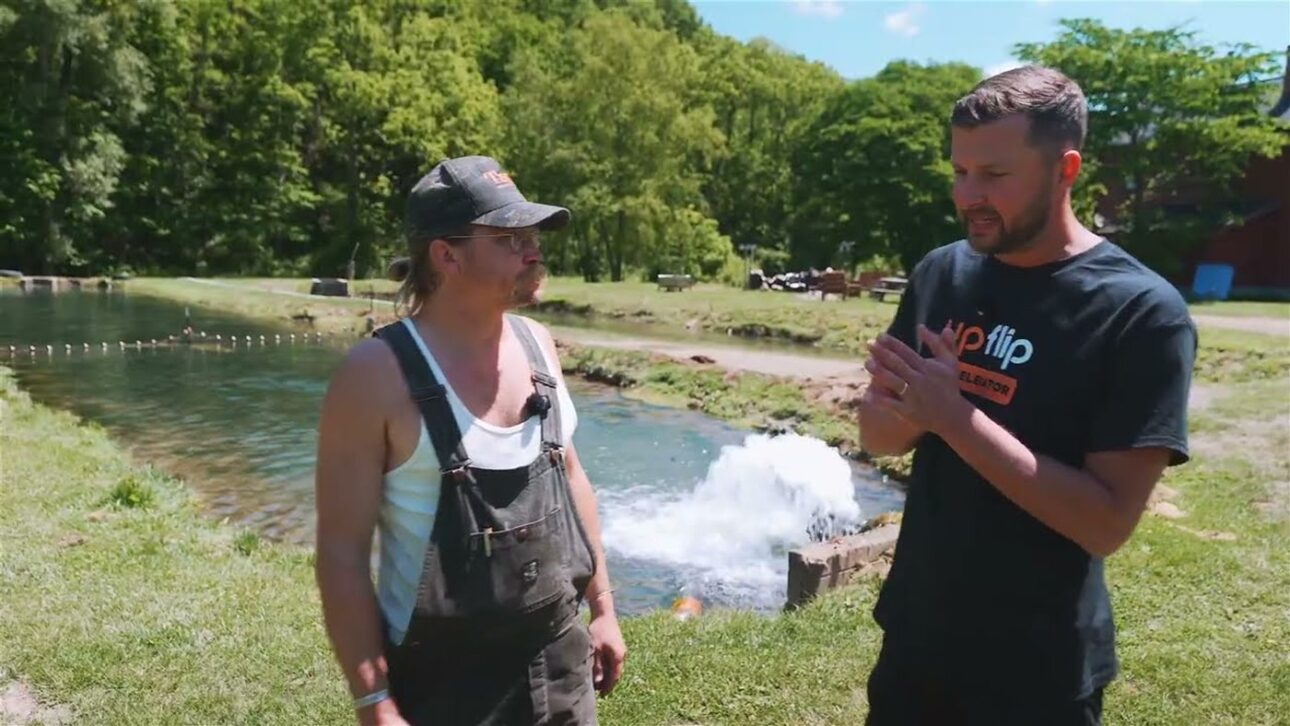
The place carries history. According to UpFlip, the hatchery was built by the American government in the 1930s as a research station to discover how to raise trout in rural areas, and it was abandoned for years, without running water and with weeds knee-high, before Ty took over.
The current scale is impressive. The farm maintains between 50,000 and 100,000 fish at any time, including eggs, fry, and mature trout, distributed in 5 concrete channels and 7 earthen tanks, as UpFlip records. The earthen tanks are preferred because they do not injure the fish like concrete does, keeping fins and snouts intact, a detail that matters to the customer who pays a high price for perfect appearance.
The 3 years and the $6 in the account before the first profit
The story has a literal rock bottom. According to UpFlip, the investment in infrastructure was only about $10,000, but it required a lot of manual labor: it took 3 years to have a product to sell, one cleaning the property, another learning to raise fish, and the third negotiating with the state for the license to process the trout.
The toughest moment turned into a turning point. Ty spent his savings of $60,000, went to work at a market to pay the bills, and had $6 in the bank account, enough for a $5.50 coffee on the day he thought everything was over, but that same year the farm grossed $120,000, as UpFlip tells. The lesson he repeats is simple: take messy action, make mistakes, and iterate, because every wall is just a curve in the maze.
The open spreadsheet: $1.1 million that turns into $218,000
The highlight of the visit is the transparency of the numbers. According to UpFlip, the annual revenue is $1.1 million, and expenses total $882,000, distributed among freight ($156,000), fillet processing ($120,000), labor ($120,000), fry ($96,000), live fish ($96,000), feed ($84,000), packaging ($66,000), and the owner’s salary ($60,000), among others.
The result is an honest portrait of niche agribusiness. After everything, $218,000 in profit remains, a margin of 19.8%, a number the interviewee says is typical of a boutique farm like his, as the UpFlip channel on YouTube reports. The account shows why he abandoned farmers’ markets: for every $60,000 in salary, he needs to generate $360,000 in sales, something impossible by selling one or two fish at a time.
The price that almost broke the business
There was a pricing error that almost sank everything. According to UpFlip, by the fourth year, the farm was selling trout at $11.50 per pound while the cost was about $15 per pound, meaning it was bleeding money with each fish sold, on a slow path to bankruptcy.
The correction came with fear and advice. Ty agonized for six months before raising the price to $18 per pound for fresh trout and $25 for smoked trout, lost some customers, but discovered that charging the right price was a service to the customer, not a disservice, as UpFlip reports. The smoked trout, which undergoes overnight salting and about an hour and a half of smoking in a $20,000 smoker, became an increasing slice of the revenue.
What Trout Teaches About Fish Farming in Brazil


The story has a direct translation to the Brazilian field. In Brazil, fish farming is led by tilapia, but trout farming exists and thrives in cold mountainous regions, such as Serra da Mantiqueira, Campos do Jordão, and Monte Verde, where the cold water allows the same type of farming all year round.
The business model is what matters most. The logic of adding value, selling fresh and smoked fish directly to restaurants instead of wholesale commodities, is the same that transforms small Brazilian properties into premium suppliers, proving that the margin is in quality and relationships, not volume, a notable parallel for the Brazilian rural producer. From Virginia to Mantiqueira, the recipe is the same: good water, well-raised fish, and customers who pay for the difference.
The video covers the hatchery, the spring, the tanks, the processing, the smoker, and the complete spreadsheet of income and expenses explained by the owner.
The Virginia trout farm proves that niche agribusiness can earn millions, as long as the water is good and the numbers add up. Tell us in the comments: would you be willing to start fish farming from scratch in an abandoned hatchery?