Portuguese
  Spanish


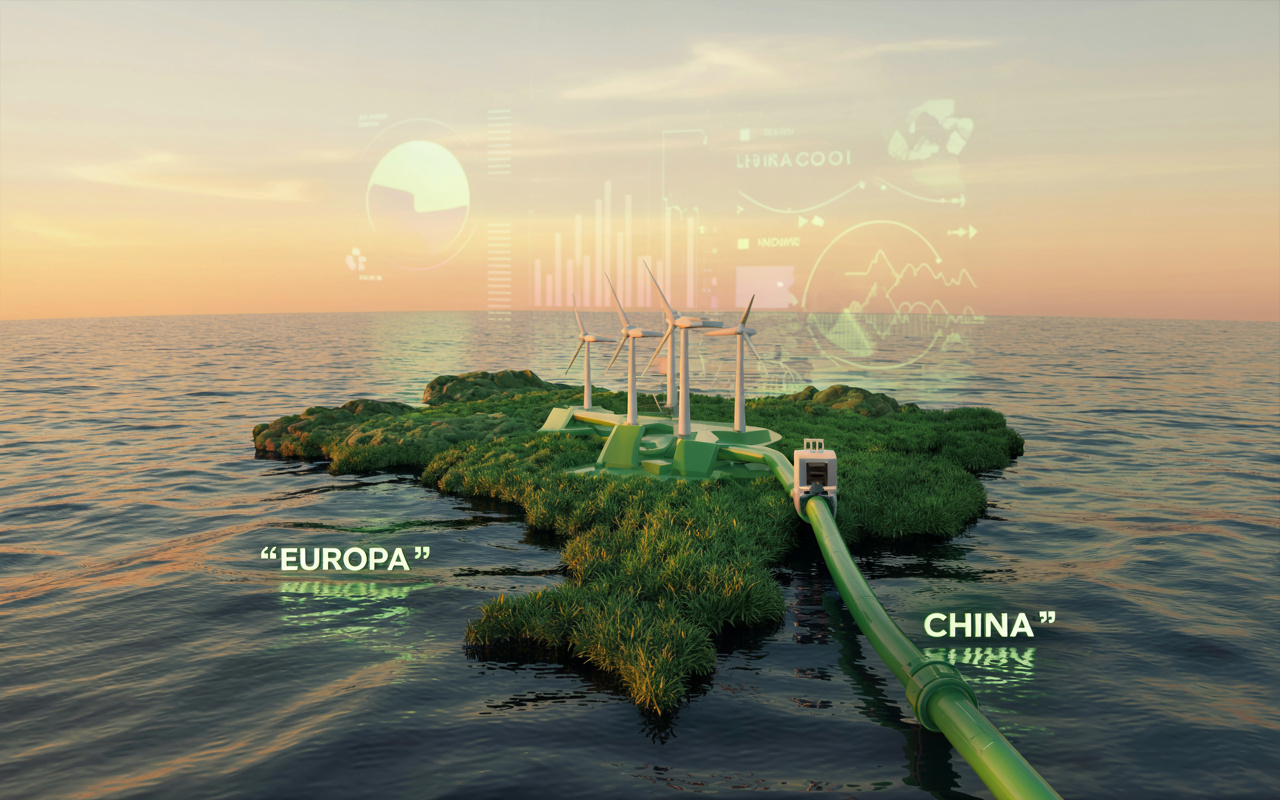


Brazil Can Lead Global Green Hydrogen Exports By 2030. But Experts Warn: Risk Is Repeating The Mineral Error And Becoming Just A Cheap Supplier.
The world is in a race against time to reduce carbon emissions and meet the goals of the Paris Agreement. In this context, green hydrogen emerges as a central piece: a fuel capable of decarbonizing sectors considered “hard to electrify,” such as steelmaking, maritime transport, and the chemical industry. Brazil, with a predominantly renewable energy matrix, favorable climate, and vast areas for solar and wind energy, stands out as one of the most competitive countries in the world for large-scale green hydrogen production. The International Energy Agency (IEA) already recognizes Brazil’s potential as a global export leader.
According to data from 2025, there are already over US$ 30 billion in announced projects in the country by 2030, with a strong concentration in the Northeast. However, along with optimism, experts raise a warning: Brazil risks repeating a historical mistake, the same one made in the cycle of iron ore and soy — exporting raw and cheap energy, without adding value to the production chain.
The Potential For Leadership
The Brazilian differential lies in the numbers:
-
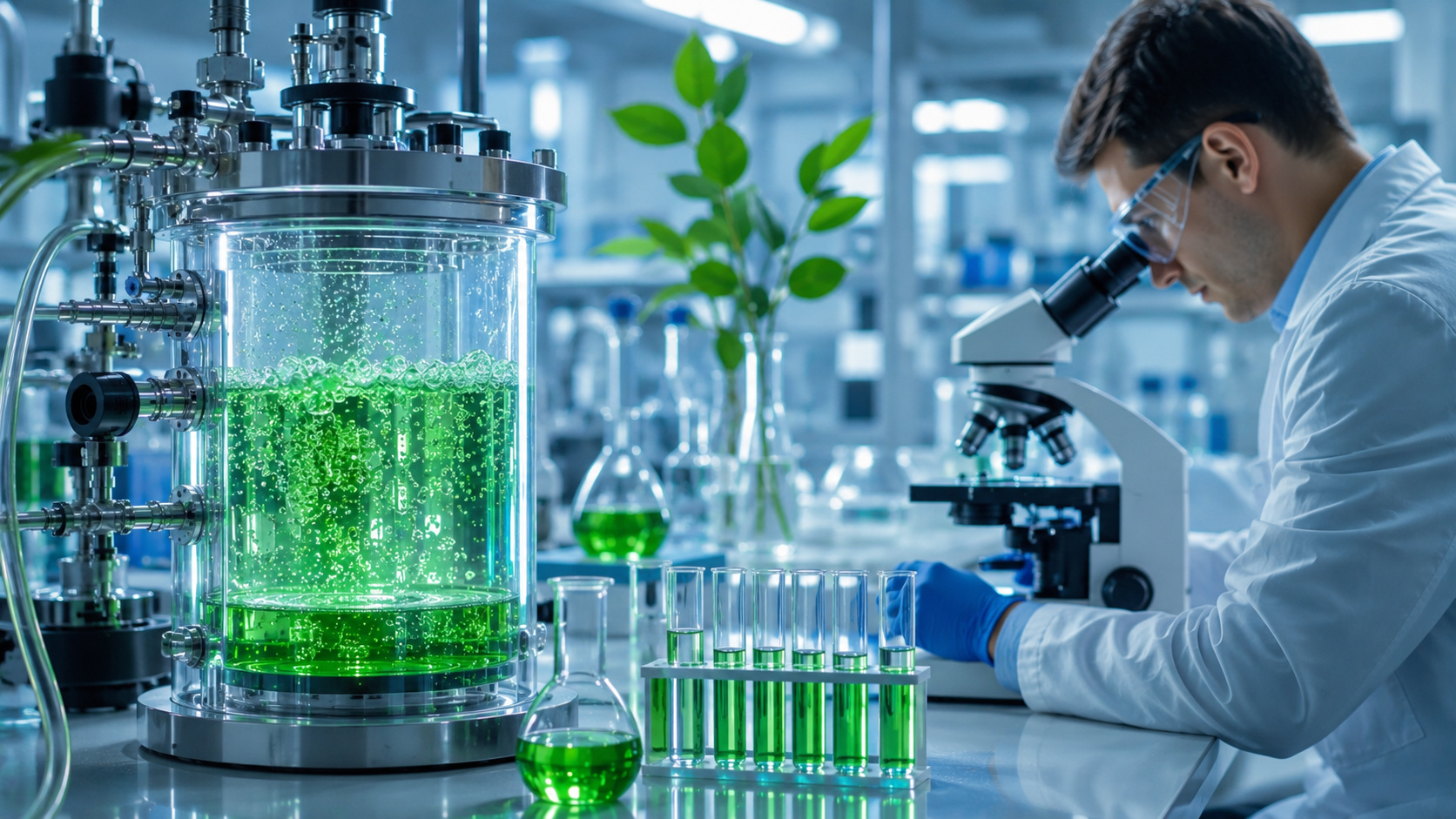
Brazilian scientists are simultaneously advancing two research projects on clean hydrogen and driving solutions that could transform the energy matrix, enhance industrial competitiveness, and accelerate large-scale emission reduction targets.

-
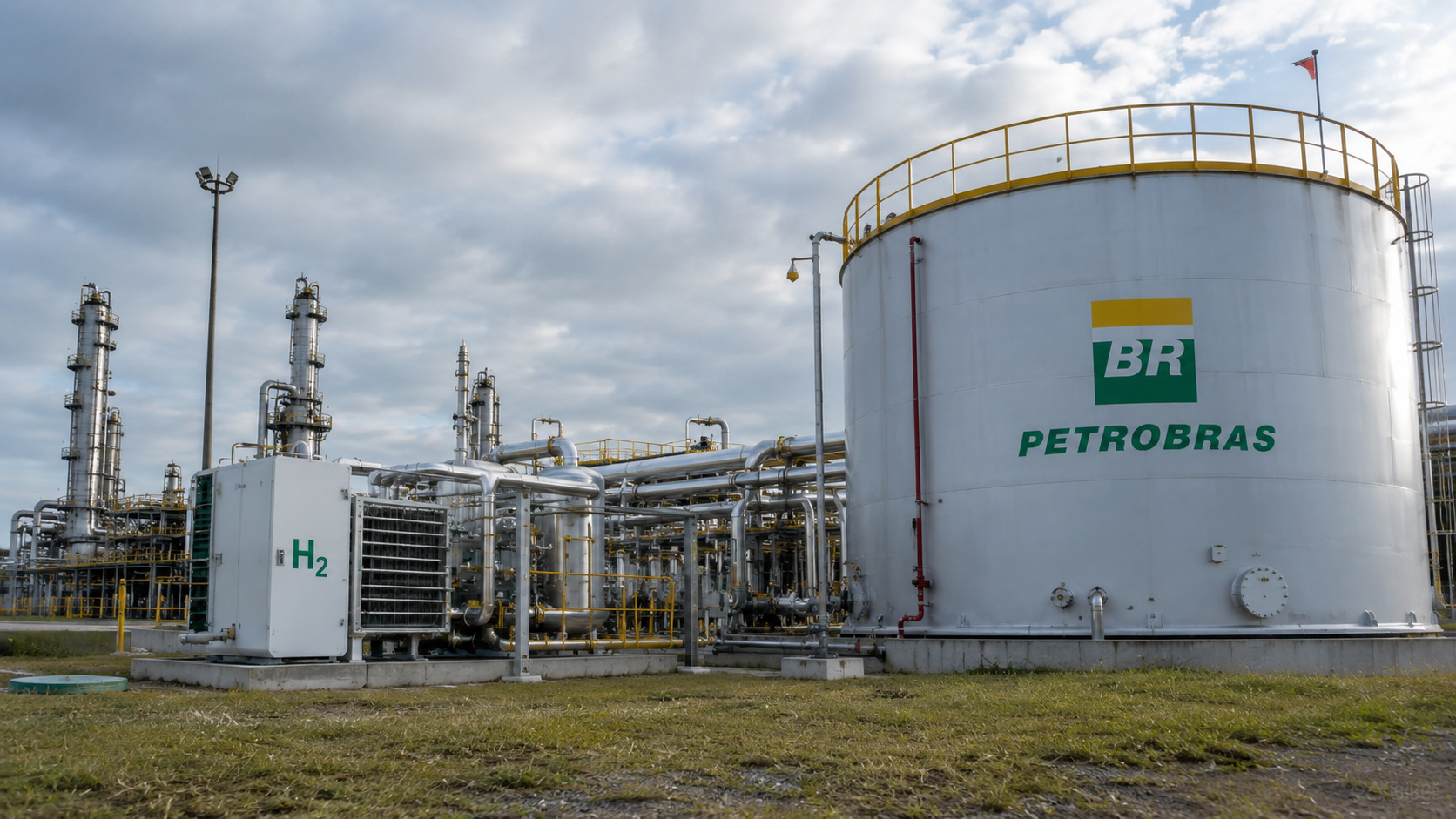
Advancement in renewable energy: A R$ 150 million project launched by Petrobras and Finep aims to create state-of-the-art electrolyzers for green hydrogen, strengthening national research and preparing Brazil to compete in a billion-dollar energy market.
-
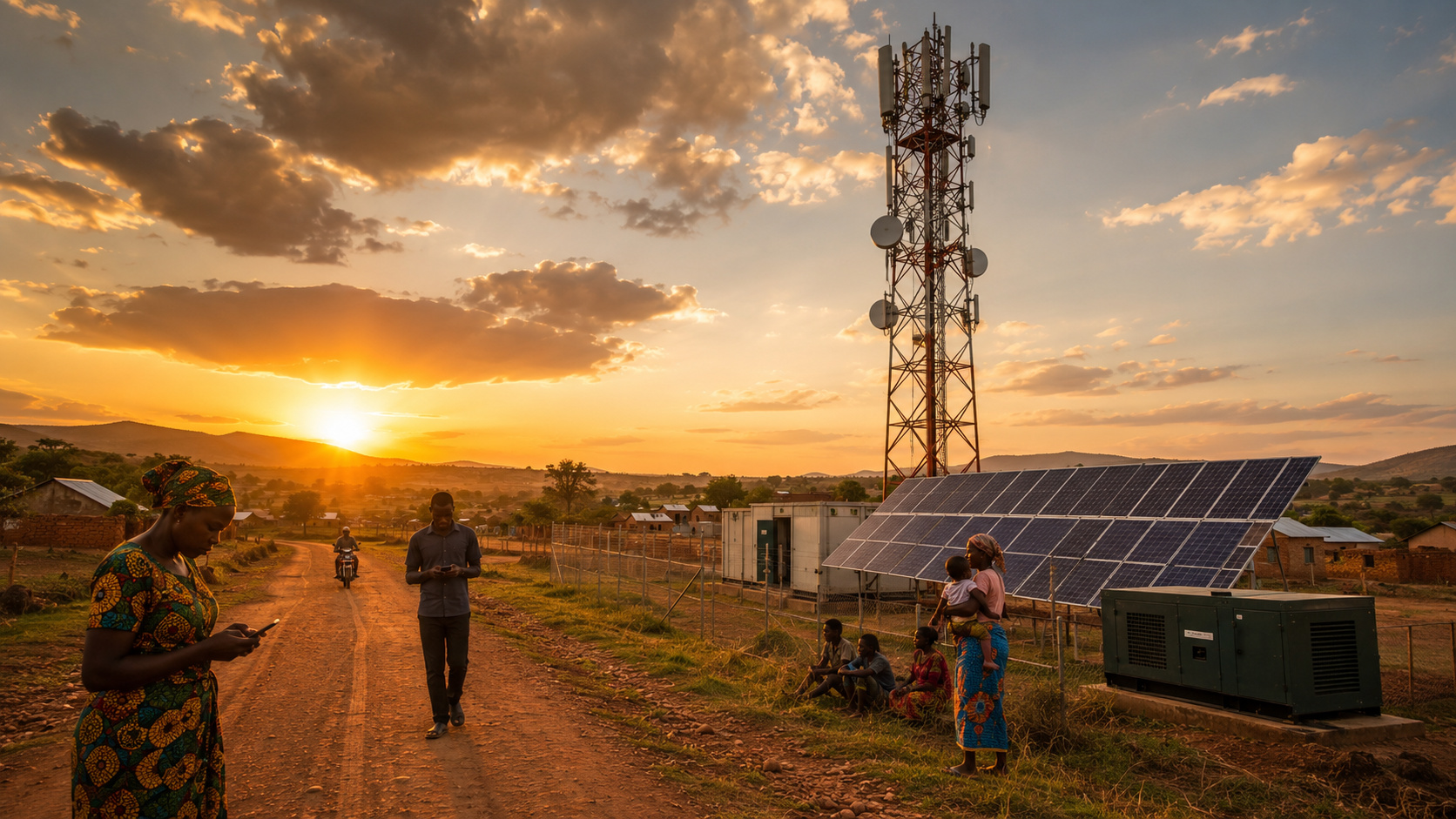
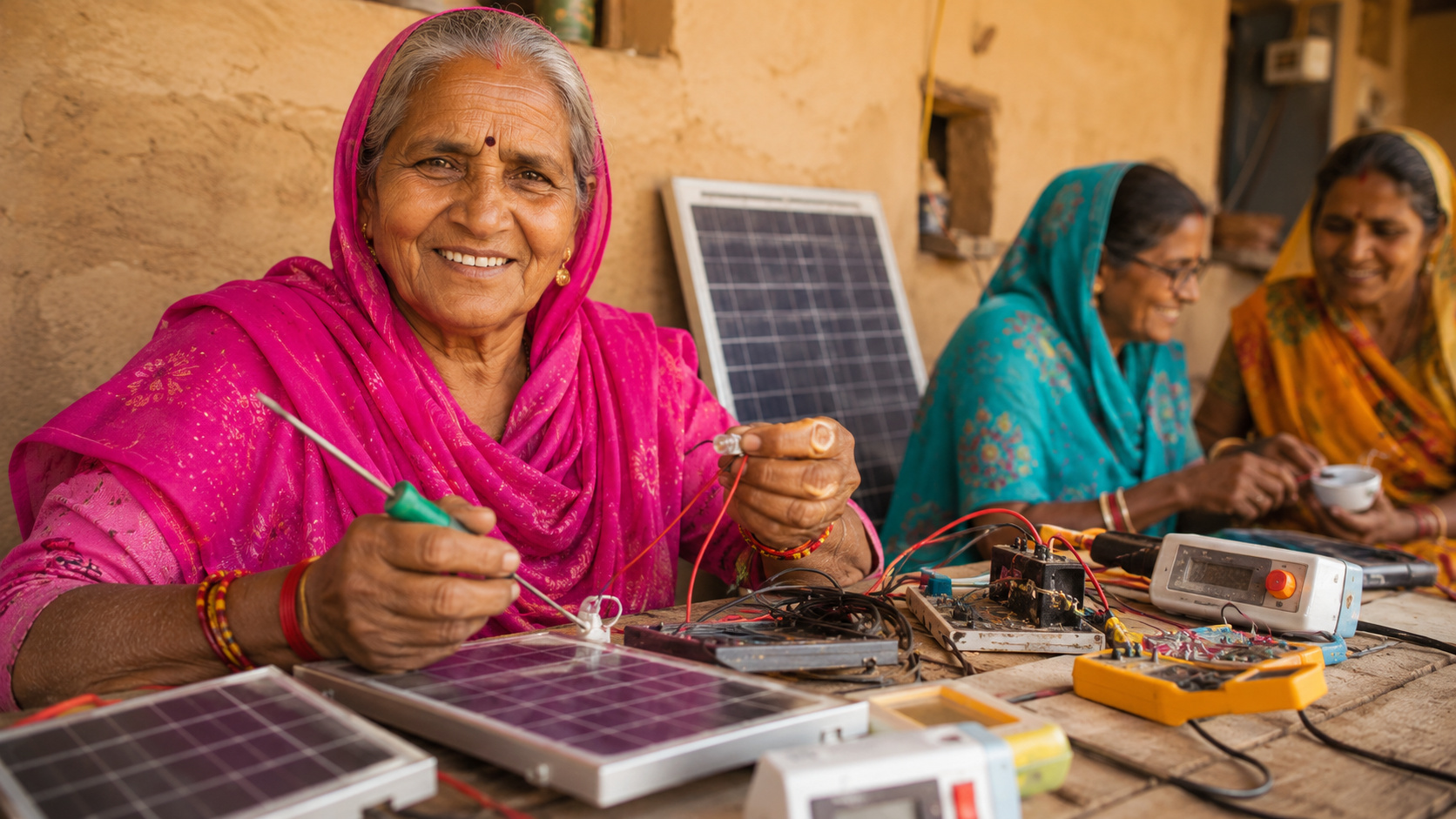
Illiterate or semi-literate grandmothers were trained to repair solar systems, open rural workshops, and light up homes that still depended on kerosene.
-
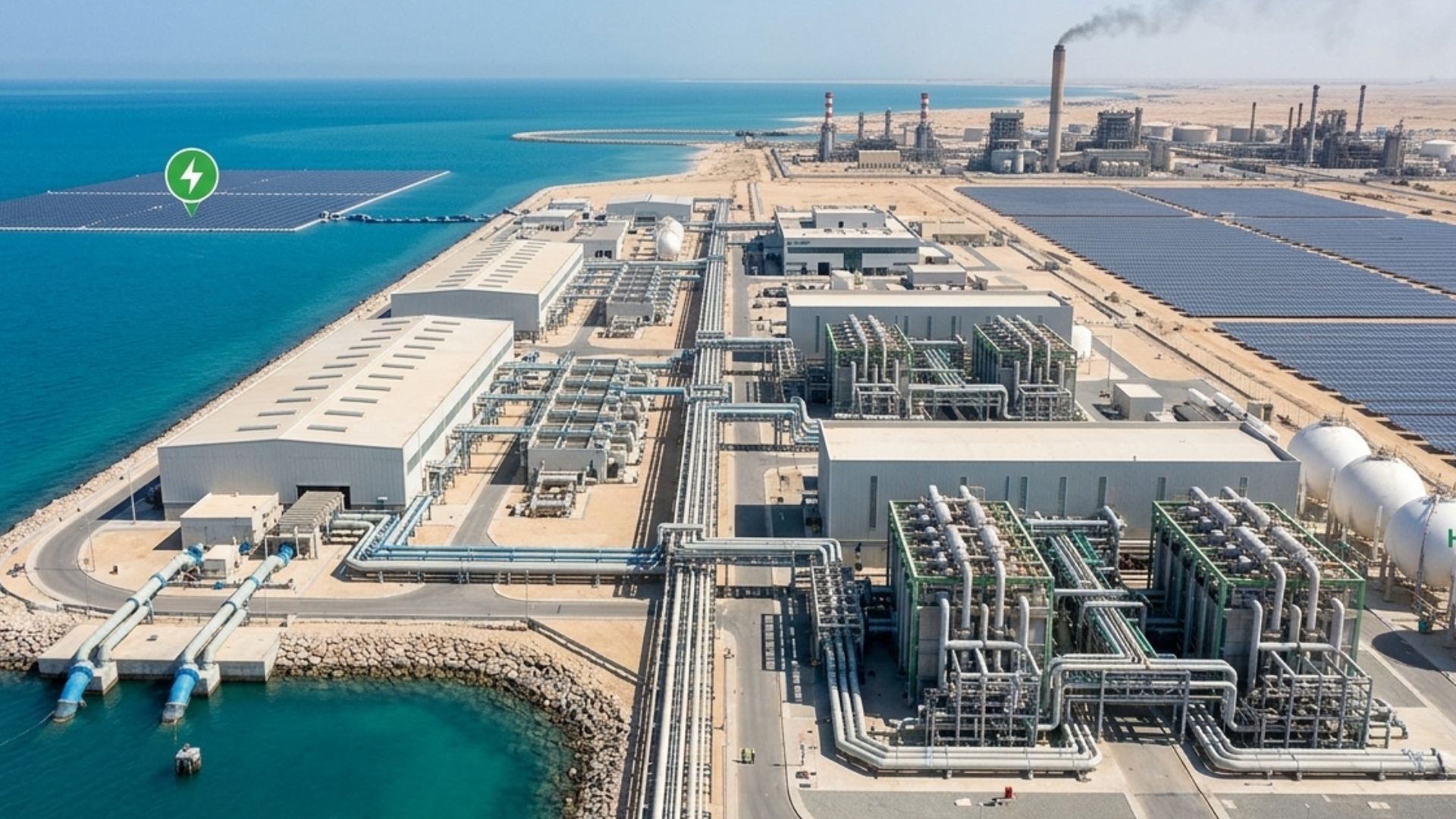
The world has bet on green hydrogen as the fuel of the future, but now faces the side effect: producing 1 kilogram requires about 9 liters of ultrapure water, and the largest projects on the planet are precisely in the driest regions of the Earth, where water is already scarce for people.

- 80% of the national electricity matrix is already renewable, compared to less than 30% worldwide.
- The Northeast has some of the best sunlight and consistent wind indexes on the planet, ensuring a capacity factor above 50% in wind farms.
- The estimated cost of producing green hydrogen in Brazil could be 20% lower than in competing countries like Germany, Japan, and South Korea.
If this competitive advantage is well leveraged, Brazil could consolidate itself as a strategic supplier for Europe and Asia, regions that have already announced billion-dollar packages to import hydrogen by 2030.
The Risk Of Repeating The “Mineral Error”
Brazil’s history is marked by cycles of exporting cheap raw materials. Iron ore is the most emblematic example: Brazil exports tons at relatively low prices, while countries like China transform this input into steel and high-value-added products. The same occurs with soy, exported in its natural state and processed abroad.
In the case of green hydrogen, the risk is similar. The country could become just a major raw supplier of energy molecules, without capturing the added value of the chain — such as the establishment of green steel mills, ammonia refineries, fertilizer factories, and hydrogen-powered chemical industries.
The warning is clear: without an industrial strategy, Brazil will be a cheap exporter of clean energy, while Europe and China turn this energy into high-value products, generating jobs and technology outside national territory.
The Experts’ View
Researchers from USP, UFRJ, and FGV point out that Brazil needs a specific industrial policy for green hydrogen. It is not enough to attract foreign multinationals; it is necessary to ensure countermeasures that anchor part of the production in the country.
Among the proposed measures are:
- Tax incentives for industries using green hydrogen within the national territory.
- Public credit lines to stimulate startups and research centers.
- Local content requirements in international megaprojects, so as not to repeat the pre-salt scenario, where many inputs were imported.
Europe and China Eyeing Brazil
The European Union has already approved a US$ 300 billion package to guarantee imports of green hydrogen by 2030. Germany, for example, has already signed memoranda of understanding with Ceará and Pernambuco to reserve production areas.
China, for its part, is bringing capital and technology, financing solar and wind plants in the Northeast. The goal is clear: to secure a supply of cheap molecules to fuel its own energy transition and high-tech industry.
In other words, the major economic centers already see Brazil as a green energy reserve. The risk is that the country accepts this passive role without planning how to capture internal value.
Opportunity To Create Value In Brazil
Despite the risks, there is a possible path to avoid the “Mineral Trap 2.0”. Brazil can, for example:
- Attract green steel industries to locate near hydrogen hubs in the Northeast.
- Turn part of the hydrogen into green ammonia, a higher added-value export product and strategic for fertilizers.
- Encourage the use of hydrogen in transportation industry, with buses and trucks powered by fuel cells.
- Create industrial development zones linked to ports like Pecém and Suape, focused on local production.
This movement would transform Brazil from a simple exporter into a key player in the green economy, generating qualified jobs and strengthening the trade balance.
By 2030, Brazil Can Assume Global Leadership In Green Hydrogen Exports
By 2030, Brazil can assume global leadership in green hydrogen exports. But there are two possible scenarios:
Promise Fulfilled: the country becomes a global leader in clean energy, creates green industrial hubs in the Northeast, and uses hydrogen as a driver for internal development.
Historical Trap: Brazil assumes only the role of cheap supplier of molecules to Europe and China, repeating the same mistake of iron ore.
The choice depends on political and strategic decisions made now, in 2025.
The Chance To Change The Future
Green hydrogen is undoubtedly the biggest energy opportunity Brazil has had since the pre-salt. The abundance of wind and sun gives the country a rare competitive advantage. But natural advantage is not destiny.
If Brazil opts to only export hydrogen in its raw state, it will condemn the future to repeat old mistakes. If, on the contrary, it bets on adding value and creating a new green industrial matrix, it could transform the northeastern hinterland into one of the most advanced engines of the global energy transition.
The decision lies in the hands of the government, companies, and society: to choose between being a provider of raw energy or a key player in the new green industrial revolution.