Portuguese
  Spanish


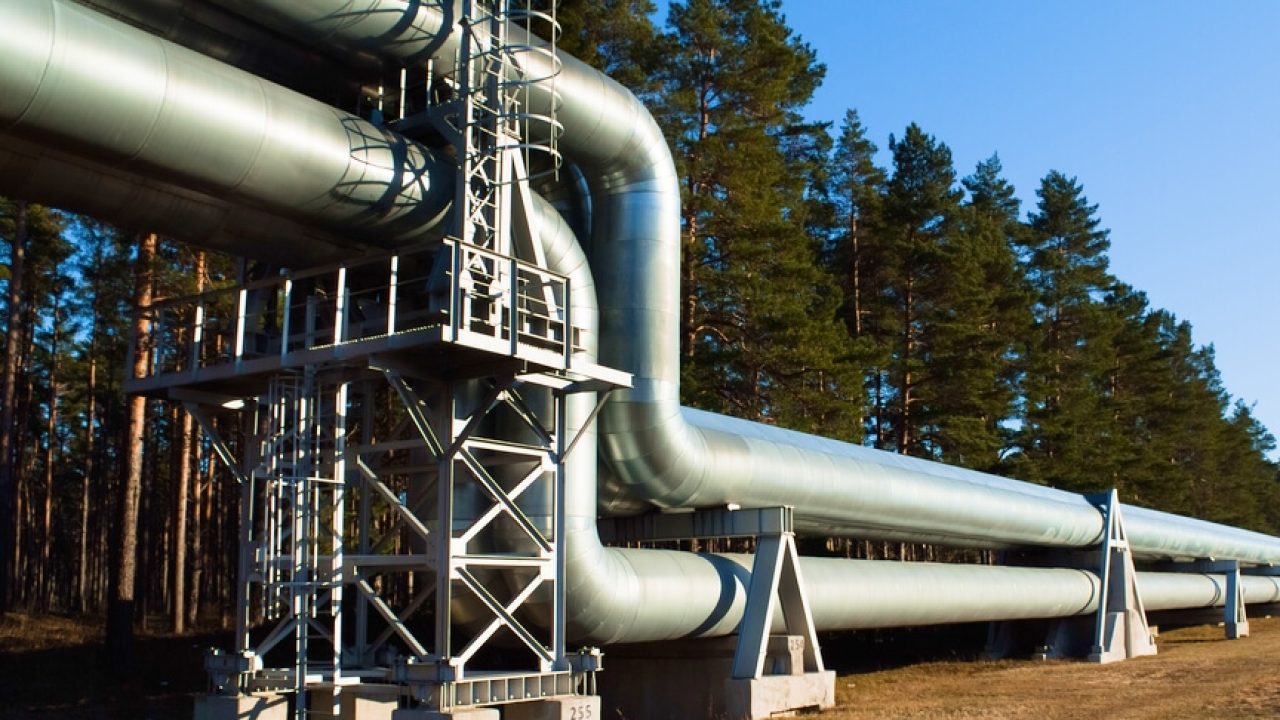

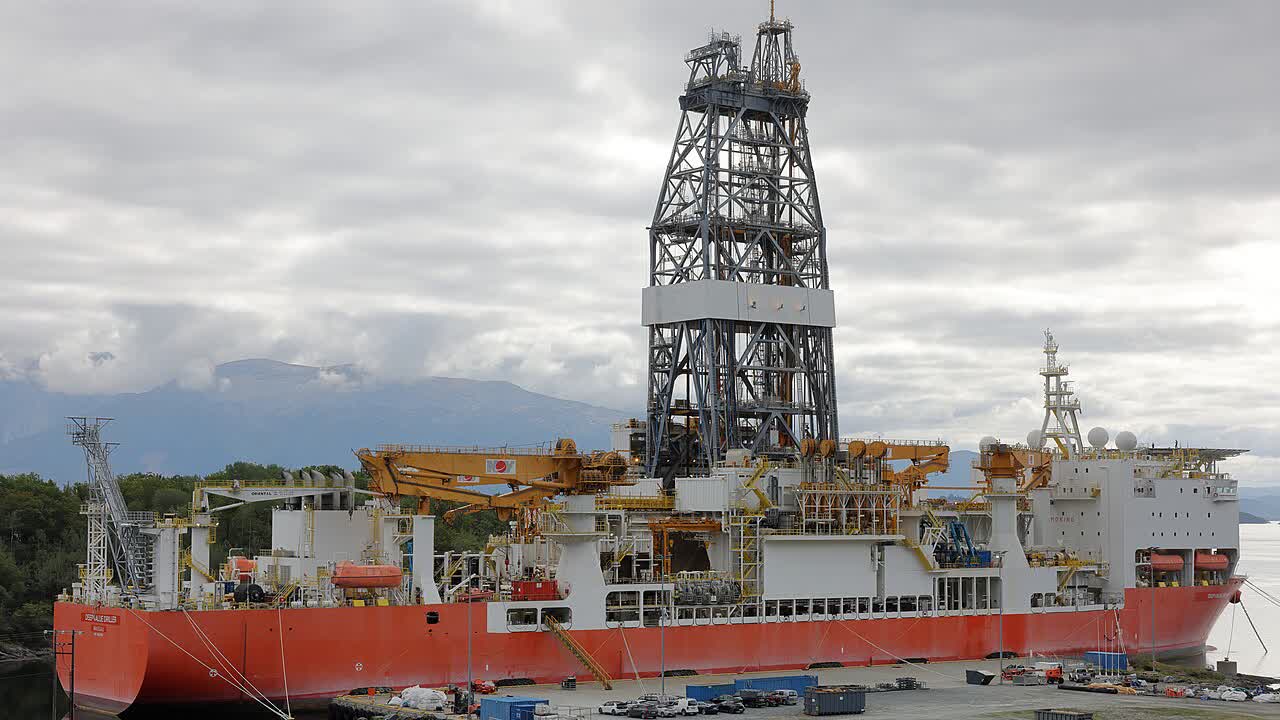
In The Next Four Years, Brazil Could Experience A Natural Gas Supply Shock, With The Expectation Of 50 Million Cubic Meters In Additional Supply Compared To The Current Supply.
The information was disclosed by the Director of Energy Transition and Sustainability at Petrobras, Maurício Tolmasquim. The board was recently created by the state-owned company’s president, Jean Paul Prates.
According to Tolmasquim, the majority of the natural gas supply is expected to come from Petrobras, with the exception of a portion from private companies, the main one being Equinor, from Norway. The expectation is that investments for the additional natural gas supply will total US$ 11 billion, with US$ 9 billion coming from Equinor, which recently announced its investment in oil and gas activities in Brazil.
The Additional Natural Gas Supply Will Represent Half Of The Total Consumed During Peak Demand Periods, Such As During Droughts And High Thermal Generation To Compensate.
Tolmasquim points out that the additional supply will come from three sources: Rota 3, which will allow the flow of gas from the pre-salt; the BMC33 project, operated by Equinor; and Petrobras’ own operations in the Sergipe basin.
-
Qantas and Airbus Invest in Company Aiming to Convert Unsorted Household Trash into Jet Fuel

-
Brazil’s ANP Opens 86 New Oil Blocks in the Equatorial Margin, Expanding the Amazon River Mouth Frontier

-
OPEC+ Boosts Oil Supply by 188,000 Barrels per Day in July 2026, Leading to Price Drop from $112 to $89 per Barrel in Under Two Months

-
TotalEnergies Signs 20-Year Deal to Purchase 2 Million Tons of LNG from Alaska, Boosting Project Viability

Additionally, Petrobras has already reduced the price of the gas molecule sold to distributors by 19% in 2023. The value calculation takes into account the exchange rate and the value of the Brent crude oil.
With This Increase In Natural Gas Supply, Brazil Could Attract Even More Investments In The Sector, In Addition To Helping Ensure The Stability Of The Country’s Energy System.
These are investments of billions of dollars that could boost the economy and generate new jobs. The expectation of additional supply seems to be moving towards a more sustainable future with less dependence on polluting energy sources.
This is excellent news for Brazil, a country with great energy potential that has sought to expand its participation in the global market. With investments in this area, the country can achieve its energy independence and increase its presence in the international natural gas supply scenario.