






 Portuguese
  Spanish


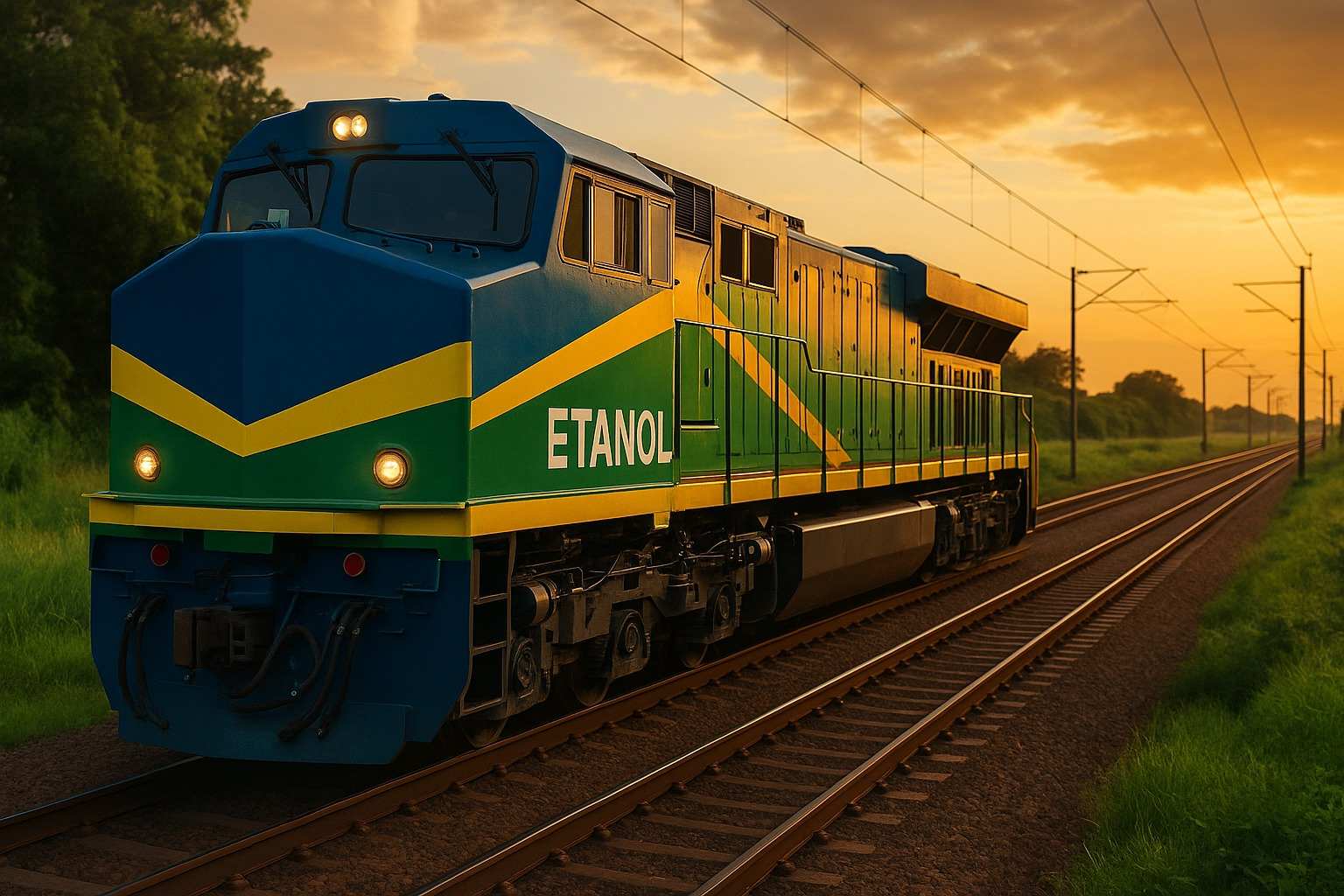

Tests Conducted In Brazil, United States, And Austria Confirm The Advancement Of Technology That Will Allow The Replacement Of Diesel With Ethanol In Vale Locomotives, Scheduled To Begin In 2028
A new technology is in the testing phase in Brazil and promises to transform the rail sector: the ethanol-powered train. The goal is to replace diesel with a cleaner and more sustainable fuel, reducing pollutant gas emissions.
The tests are underway and, starting in 2028, the change is expected to become a reality in trains operated by Vale, which transport ore from Minas Gerais to Espírito Santo, as well as passenger trains.
The technology is considered unprecedented in the railway world. The initial testing phase is taking place in laboratories in the United States, Austria, and Brazil.
-
15-Year-Old American Builds Ocean Generator with PVC Pipe and 3D-Printed Propeller for $12, Wins National Prize, Presents at White House, and Makes Forbes 30 Under 30 List

-
$12 Billion Invested in AI Data Centers in Semi-Desert Mexican State, But 17 of 18 Municipalities Now Face Water Shortages, Residents Receive Water Only 3 Days a Week
-
How Much Does Starlink Satellite Internet Cost for Cars, Trucks, and RVs? Prices for Antenna, Accessories, and Plans

-
Scientists Convert Food Waste into Aviation Fuel, Successfully Test 50% Blend with Conventional Kerosene to Cut Emissions and Promote Sustainable Flights



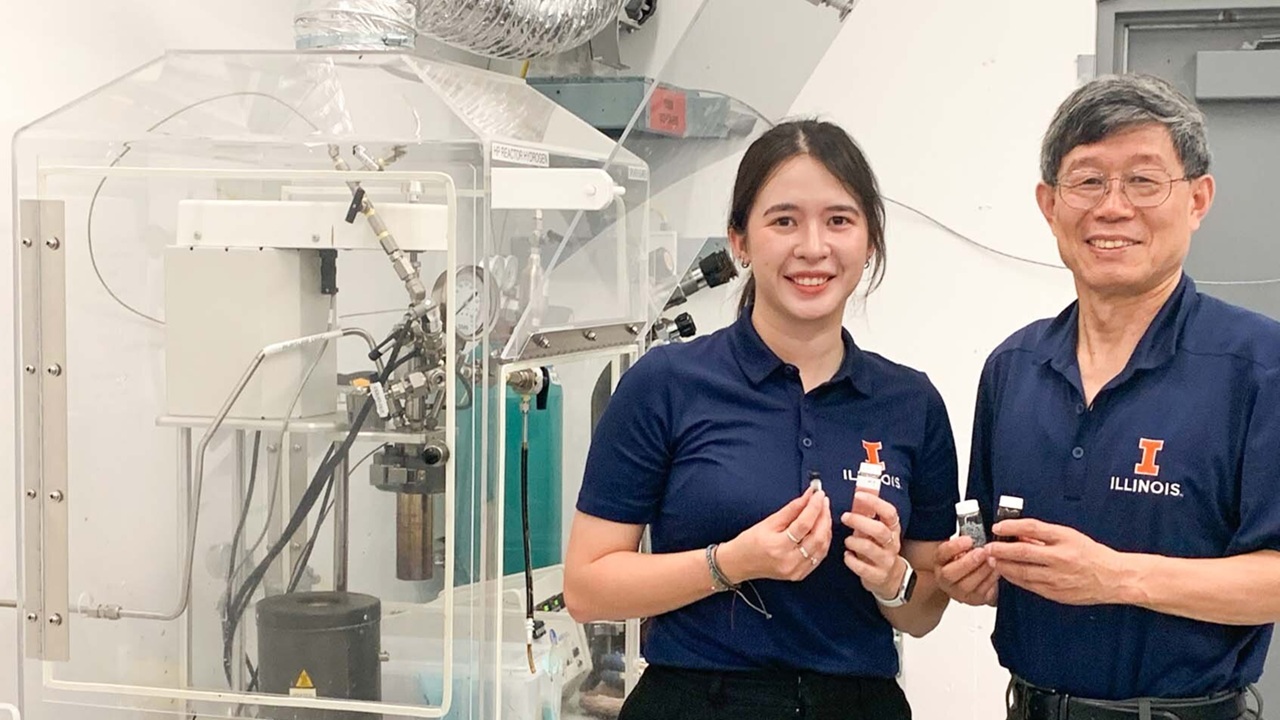
Studies indicate that, initially, it will be possible to replace up to 50% of diesel with ethanol, with the goal of eventually achieving a 100% biofuel-powered engine.
Adaptations And Advantages Of The Technology
To enable the use of ethanol, locomotives will undergo adaptations and will operate with flex engines, also known as dual-field, that accept alternative fuels.
According to Daniela Ornelas, Vice President of Product at Wabtec, the modifications include adjustments to the injection system and possible changes to the fuel tank, which is currently designed for diesel.
In addition to reducing pollutant emissions, the new system maintains train performance.
João Turchetti, Director of Decarbonization Engineering at Vale, explains that the choice of ethanol follows a clear logic: as the biofuel is already widely used in gasoline, its expansion to railway diesel is a natural step.
Brazil has ample availability of ethanol in the Central-West and Southeast regions, facilitating initial implementation and paving the way for future expansions.








Etanol com baterias elétricas recarregável já que temos ônibus elétrico de viagem hibrido para para viagem de longo curso e elétrico para o urbano, novas baterias q poderia ser do tamanho de um vagão, recarregável e movido a etanol…é o mundo se modernizando….