





 Portuguese
  English
  Spanish
  4 min of reading
  0 comments


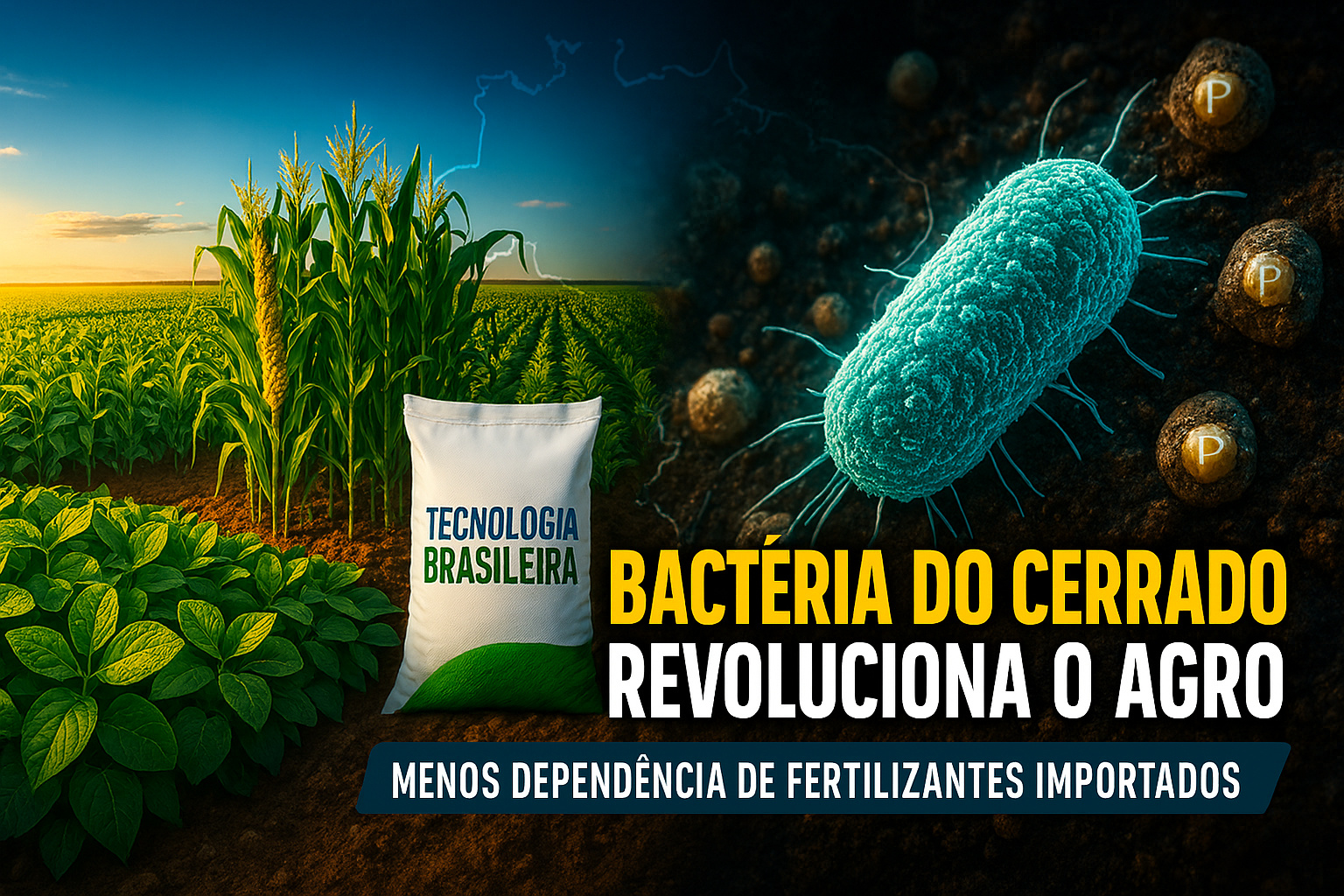
Developed by Embrapa and launched commercially by Bioma, BiomaPhos uses bacteria from the Cerrado to solubilize phosphorus in the soil and reduce dependence on imported fertilizers.
In 2019, the Brazilian Agricultural Research Corporation (Embrapa) officially announced the development of a new biological technology capable of increasing phosphorus efficiency in agricultural soil. The product, named BiomaPhos, was the result of over a decade of research conducted mainly by Embrapa Corn and Sorghum, in Sete Lagoas (MG), in partnership with other units of the institution. The commercial launch occurred in 2020 by the Brazilian company Bioma, specialized in biological inputs. Since then, the technology has been used on millions of hectares in Brazil, especially in soybean and corn crops.
The difference of BiomaPhos lies in the use of microorganisms isolated from the Brazilian Cerrado, capable of transforming insoluble phosphorus in the soil into forms that are assimilable by plants, increasing the efficiency of the fertilizer already applied.
What Is BiomaPhos and How Does It Work in Agricultural Soil
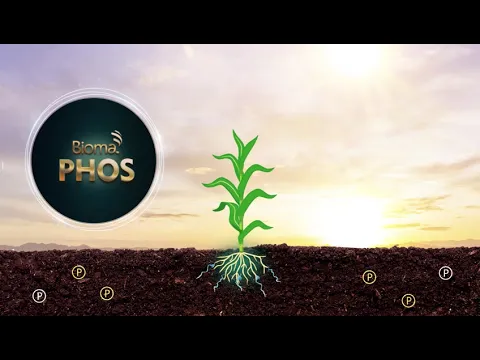

Phosphorus is one of the main nutrients for plants. It is essential for root development, flowering, and grain formation. The problem is that in Brazilian tropical soils, much of the phosphorus applied as fertilizer becomes “retained” and unavailable to plants due to the high fixation capacity of the soil.
-
Santa Catarina leads national production in 12 agribusiness chains and dominates more than 50 segments ranging from apples to oysters and from pork to knit fabrics. The state consolidates its position among the five largest producers in Brazil in almost everything it produces.

-
The most consumed fish in Brazil may be added to the official list of invasive exotic species this Wednesday, and Conabio’s proposal regarding tilapia divides the government, alarms fish farming, and reignites a debate that the Ministry of the Environment insists does not mean a ban.
-
After BYD and others, China invades Brazil with giant tractors of up to 700 hp, 50% fuel savings, and a billion-dollar factory planned after Zoomlion projects R$ 500 million in sales in Brazilian agriculture.
-
China buys 1.1 million tons of beef in four months, an increase of 25.75%, and Brazil leads with 612.87 thousand tons




BiomaPhos uses two bacteria selected by Embrapa:
- Bacillus subtilis
- Bacillus megaterium
These microorganisms act by solubilizing forms of phosphorus that are already in the soil, releasing the nutrient for root absorption. Instead of completely replacing chemical fertilizers, the product increases its efficiency.
According to technical data released by Embrapa, the use of BiomaPhos can allow for a partial reduction in phosphate fertilization under certain conditions, maintaining equivalent productivity.
Why Is Phosphorus Strategic for Brazil
Brazil is highly dependent on the import of phosphate fertilizers. A significant portion of the phosphorus used in the country comes from external reserves, especially from North Africa.
The dependence became even more sensitive after 2022, when geopolitical crises affected global fertilizer supply chains.
In this context, technologies that increase the efficiency of phosphorus already available in the soil gain strategic importance.
BiomaPhos emerges as a national alternative based on local science and Brazilian biodiversity.
Technical Results Observed in the Field
Tests conducted by Embrapa indicated:
- Increased productivity in areas with phosphorus limitations
- Better root development
- Greater efficiency in the use of applied fertilizer
The studies were conducted in different producing states, including Minas Gerais, Goiás, Mato Grosso, and Paraná. The technology is applied via seed treatment or application in the planting furrow.
Scale of Adoption and Impact on Brazilian Agriculture
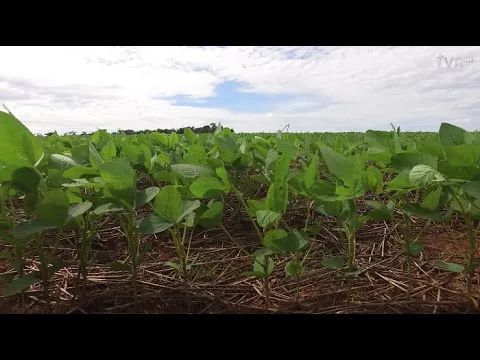
Since the commercial launch in 2020, the product has been adopted by soybean and corn producers in various regions of the country.
According to data released by Bioma, the technology has already reached millions of treated hectares.
Brazil currently cultivates over 40 million hectares of soybeans and about 20 million hectares of corn. Even partial adoption represents a significant impact at the national scale.
Agricultural Biotechnology Based on the Biodiversity of the Cerrado
The Cerrado is one of the most biodiverse biomes on the planet. The research that originated BiomaPhos started from the collection and selection of microorganisms adapted to Brazilian tropical conditions.
This approach reinforces a growing trend in modern agriculture: replacing part of the chemical inputs with biological solutions based on microorganisms.
The bioinputs market in Brazil has been growing rapidly in recent years, driven by sustainability, cost reduction, and environmental pressure.
Limitations and Technical Context
BiomaPhos does not completely replace conventional phosphate fertilization. Its use depends on specific soil, management, and crop conditions.
Technical recommendations should be made by agronomists based on soil analysis.
The technology increases efficiency, but does not create new phosphorus — it releases what is already present in insoluble forms.
The Role of Embrapa and National Innovation
Embrapa, linked to the Ministry of Agriculture and Livestock, is responsible for various innovations that have shaped Brazilian agribusiness, including technologies for cultivation in the Cerrado.
BiomaPhos integrates a new generation of biological products developed in the country.
In a global scenario of fertilizer volatility and environmental pressure, solutions that increase efficiency and reduce external dependence tend to gain prominence.







-

-

5 people reacted to this.