Portuguese
  Spanish



New Policy for Data Centers Aims to Take Advantage of Clean Energy, Reduce External Dependence, and Ensure Data Processing Security in Brazil
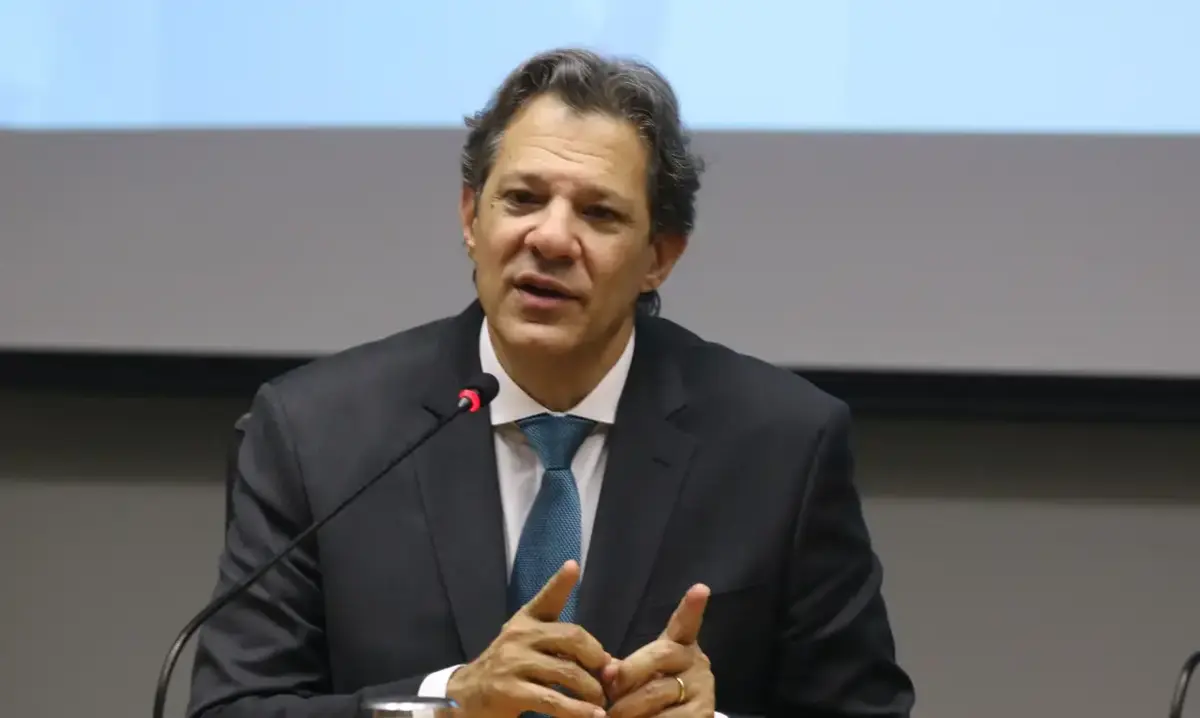
The Minister of Finance, Fernando Haddad, stated on this Monday (12) that the new policy aimed at attracting data centers will be announced soon. According to him, the launch is expected to occur after President Luiz Inácio Lula da Silva returns from his trip abroad.
During an interview with UOL, Haddad explained that the policy will have various objectives. One of the main ones is to better utilize the clean energy produced in Brazil, which is considered cheap and abundant.
Additionally, the plan also seeks to reduce the external deficit caused by payments for services related to data centers outside the country.
-
Brazilian scientists are simultaneously advancing two research projects on clean hydrogen and driving solutions that could transform the energy matrix, enhance industrial competitiveness, and accelerate large-scale emission reduction targets.

-
Advancement in renewable energy: A R$ 150 million project launched by Petrobras and Finep aims to create state-of-the-art electrolyzers for green hydrogen, strengthening national research and preparing Brazil to compete in a billion-dollar energy market.
-
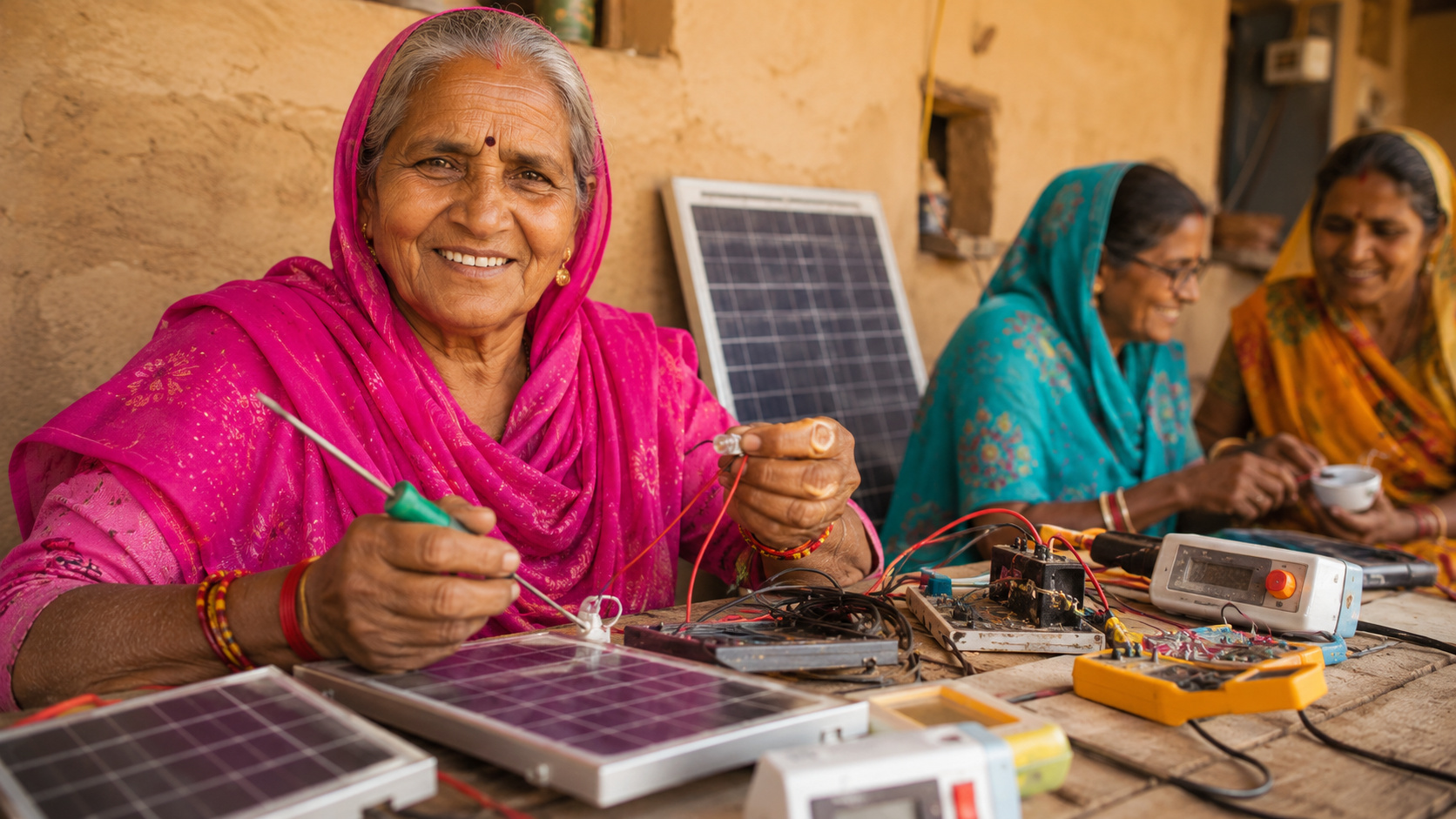
Illiterate or semi-literate grandmothers were trained to repair solar systems, open rural workshops, and light up homes that still depended on kerosene.
-
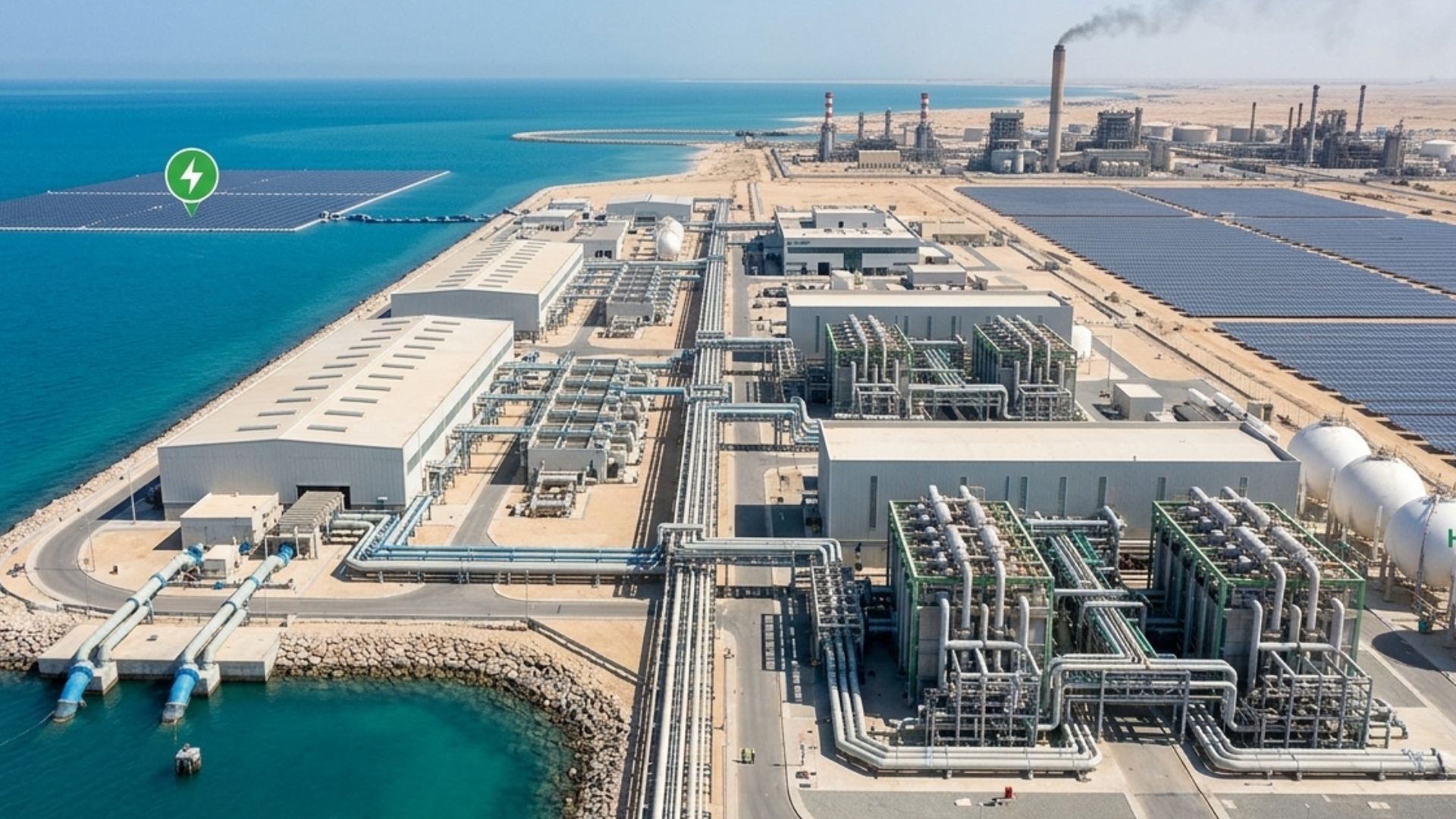
The world has bet on green hydrogen as the fuel of the future, but now faces the side effect: producing 1 kilogram requires about 9 liters of ultrapure water, and the largest projects on the planet are precisely in the driest regions of the Earth, where water is already scarce for people.



According to the minister, currently, 60% of the data center services used in Brazil are imported. He considers this situation inadequate, especially given the technical and energy advantages of the country.
“Brazil has clean and cheap energy, Brazil has better cabling than its neighbors, of superior quality. In other words, the country has everything to process its data here, including for security reasons,” Haddad declared.
Another point highlighted by him was the issue of security. Data protected by confidentiality, according to the minister, should be stored and processed locally.
Haddad argued that the location of data centers on national territory is strategic, especially to ensure the protection of sensitive information.
The minister also commented that the topic is being discussed in conjunction with the federal government’s procurement strategies. The idea is to engage with society on how to ensure that public and private data processing occurs in a secure and responsible manner.
The expectation is that the official announcement will be made soon, after Lula’s return, with measures aimed at the installation and operation of these centers in the country.