Portuguese
  Spanish


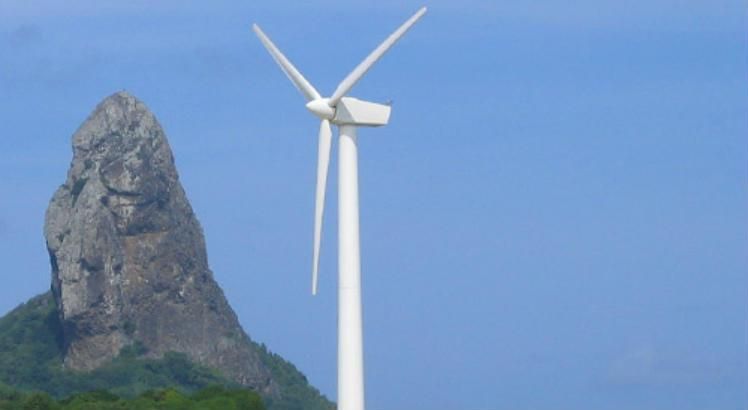

The Brazilian Portfolio in Renewables Includes Wind, Solar, and Thermal Operations with a Capacity Maximization Goal of 250 MW
The Brazilian energy company Servtec, in partnership with private equity manager Darby, acquired 64 MW of renewable energy assets in Brazil, said CEO Pedro Fiuza to Reuters on Thursday (5).
Read More About Renewables in Brazil
- AES Tietê Acquires Wind Farm Complex in Rio Grande do Norte for 650 Million Reais
- Billion-Dollar Renewable Energy Projects, Previously Dormant, Are Being Discussed Again by Companies with an Action Plan for the Coming Years
- 150,000 Job Opportunities in the Brazilian Solar Energy Sector in Two Years, According to Absolar
Darby, part of American Franklin Templeton Investments, and Servtec purchased the Dunas do Paracuru wind farm of 42 MW and the small hydroelectric power plant (PCH) Inxu of 22 MW from the Spanish group Inveravante for an undisclosed amount.
The transaction includes the assumption of debts with the National Bank for Economic and Social Development (BNDES) and the Bank of Northeast (BNB). Servtec will first focus on improving the performance of the assets, but at a later stage will consider refinancing the plants to reduce costs, according to the report.
-
Giant Batteries Take Center Stage in Chile Auction as Company Offers 960 GWh of Solar Energy for Nighttime Use, Aiming to Stabilize Solar Power Supply

-
After a Year of Success in Switzerland, Solar Railway Attracts Italy’s Interest for Clean Energy Transformation
-
Robots Clean Solar Panels in Desert Power Plants Without Water, Preventing Energy Losses
-
Brazil’s Offshore Wind Energy Potential Worth $1 Trillion Stalled by Long-Delayed Agreement




Renewable Operations of the Brazilian Company and Installation Capacity
With this transaction, Servtec’s portfolio of operational wind installations and PCHs in Brazil grows to 173 MW. The company also has thermal power plants and distributed solar generation (DG).
Together, Servtec and Darby are looking to increase their DG solar energy portfolio to 250 MW by the end of 2021.