Portuguese
  Spanish



Research Reveals Species Resistant To Extreme Climate And Highlights The Importance Of National Science
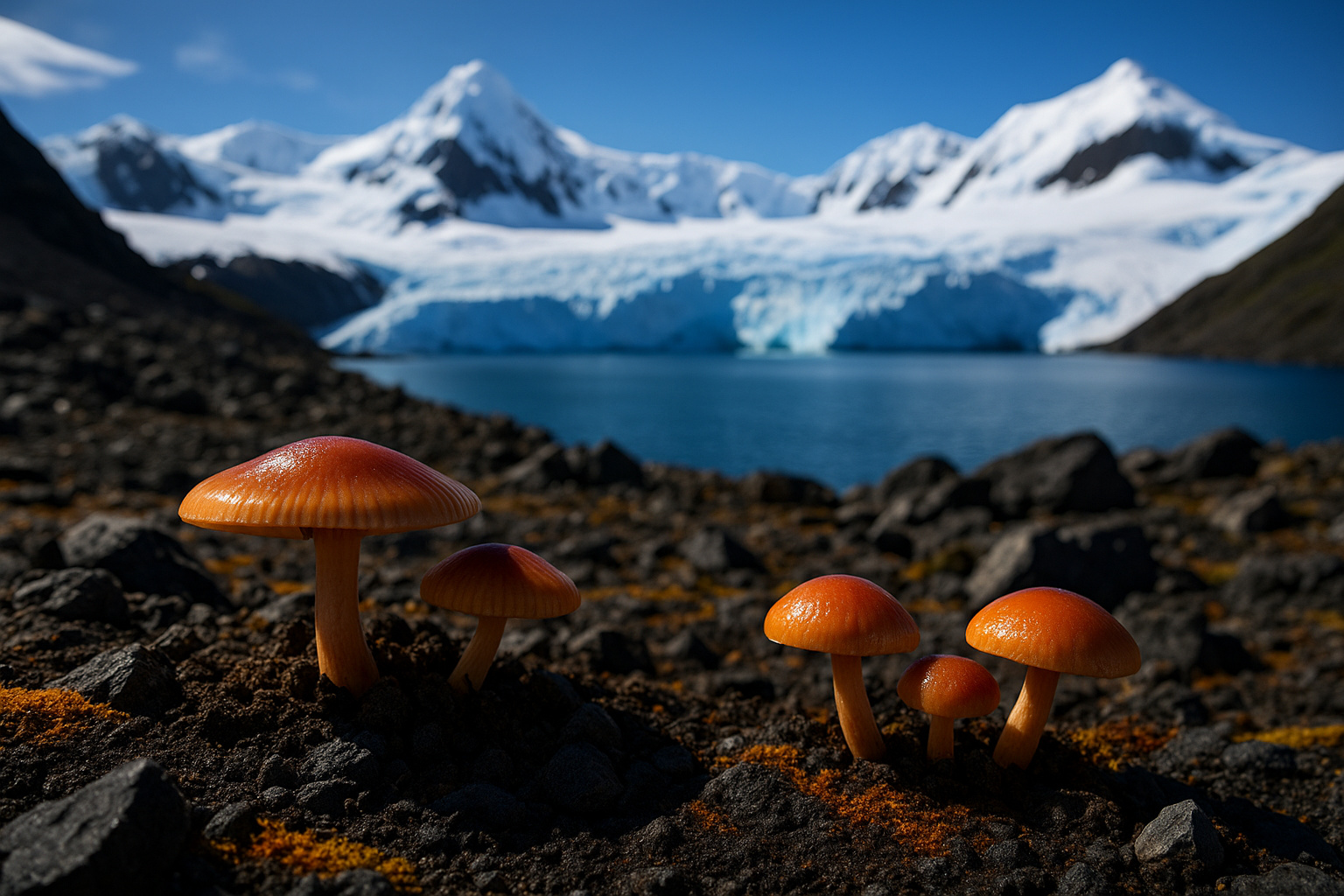
In an expedition conducted between November 2018 and January 2019, a Brazilian team explored the ice of the Antarctica.
They brought to the world four new species of mushrooms from the genus Omphalina.
The research demonstrates how national science faces climate challenges to generate globally valuable knowledge.
According to the Fungal Taxonomy Laboratory of the Federal University of Pampa (UNIPAMPA) in São Gabriel, the study is led by Doctor in Biological Sciences Fernando Augusto Bertazzo da Silva.
The discovery reinforces the impact of the Brazilian Antarctic Program (Proantar), which ensures the presence of researchers on the most inhospitable continent on the planet.
Even under gusts of wind exceeding 100 km/h and constant rain, the group collected essential samples.
These samples help to understand how fungi resist extreme cold, intense radiation, and low nutrient availability.
Challenging Conditions Test Research
The 30 days of camping occurred without communication or internet access.
This required physical and emotional preparation from the entire team.
Despite the adverse conditions, researchers, supported by the Navy, Air Force, CNPq, and Capes, brought the frozen samples back.
In Brazil, they underwent detailed morphological and molecular analyses.
The entire process took about two years.
They identified spores and sequenced the DNA until the article was accepted.
The article was published in the scientific journal Mycological Progress in 2024.
The resumption of work initiated in the 1980s by professors Jair Putzke and Antonio Pereira Batista reinforces the value of long-term research.
While facing strong winds, the entire structure of the campsite was put to the test.
Even so, science remained steadfast.
Species Reveal Surprising Adaptations
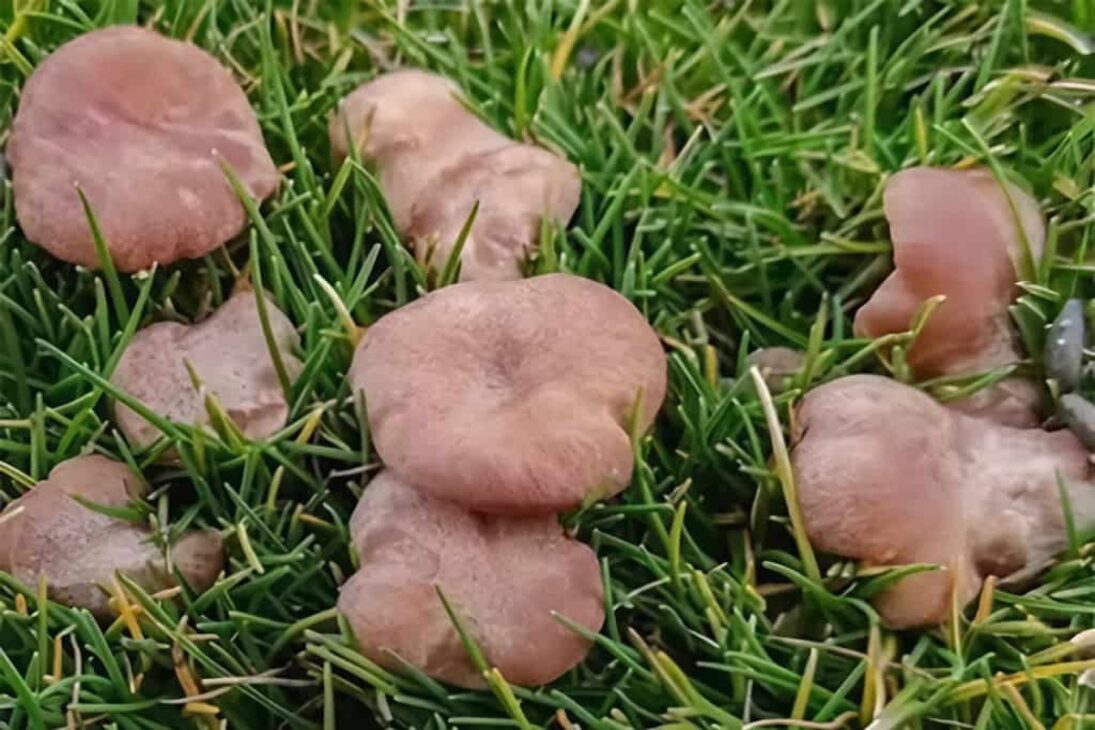
The fungi Omphalina deschampsiana, Omphalina ichayoi, Omphalina frigida, and Omphalina schaeferi draw attention for their peculiar spore shape.
They have unique coloration and rare associations with Antarctic grasses.
Such characteristics highlight evolutionary adaptations.
These adaptations enable survival in nutrient-poor soil and harsh climate.
The mushrooms play a crucial role in the ecosystem by decomposing organic matter.
They recycle nutrients and interact with local mosses and plants.
Understanding these relationships is essential for monitoring the region.
The Antarctica directly influences the climate of the Southern Hemisphere.
In 2024, researchers warned that global warming may favor new species.
However, this also threatens the existing biodiversity.
-
NASA Plans Telescope That Can Be Repaired by Robots 1.5 Million Kilometers from Earth

-
China Launches First Oceanic Medical Rescue Ship with Advanced Facilities to Serve Remote Regions

-
Midea Unveils Portable PortaSplit Air Conditioner: 12,000 BTUs, Quiet Mode, Heating, Dehumidification, App Control, and AI Efficiency Without Professional Installation
-
Singapore Turns Incinerated Waste Ash into Construction “Sand” in Ambitious Project to Revolutionize Megacity Waste Management


Scientific Importance Reinforced for Brazil
The practical application is still limited to basic science.
Extremophilic organisms may reveal promising compounds or enzymes.
These elements may have biotechnological and pharmaceutical uses in the future.
As the team celebrates the international publication, they plan to monitor the studied areas.
The objective is to track the impact of climate change on the local microbiota.
Antarctica serves as a natural laboratory.
Many secrets still remain beneath the ice.
The recognized work translates the collective effort of scientists.
Even with severe logistical challenges, they keep Brazilian science alive.
The research communicates with international centers of excellence.
Monitoring and Continuity Ensure Legacy
In the coming years, therefore, the group wants to expand expeditions in Antarctica.
Moreover, they count on renewed support from Proantar to explore new regions.
The goal is to catalog species and, thus, understand the response of microorganisms to climate.
Meanwhile, Professors Jair Putzke and Antonio Pereira Batista believe in the Brazilian potential.
They argue that the country can lead polar research of global relevance.
The discovery, therefore, expands knowledge and reinforces the need for more investments.
Thus, supporting research, infrastructure, and, above all, new generations of scientists is essential.
As long as there is curiosity and support, science will continue to reveal secrets beneath the ice.