Portuguese
  Spanish


With a 75 hp boxer engine, the Volkswagen SP2 became a Brazilian classic despite its modest performance. The coupe with national design attracts foreign collectors, appreciates in the vintage market, and fuels the fear that rare examples will leave Brazil, taking away a significant piece of the national industry abroad.
The Volkswagen SP2 has once again caught the attention of vintage car fans for embodying a rare contradiction: it was born with a 75 hp boxer engine, seemed timid for a sports car, but became a Brazilian classic and today attracts foreign collectors with its low design, elongated rear, and national visual identity.
In a video released by the Carro Chefe channel on June 10, 2026, the model shown is a 1974 Volkswagen SP2, a project developed by Volkswagen in Brazil during the 1970s. With a 1.7 air-cooled boxer engine, 75 hp, four-speed manual transmission, and rear-wheel drive, the car became a coveted piece not just for its technical specs, but for its visual personality.
A Brazilian sports car that impressed more with its design than with its power
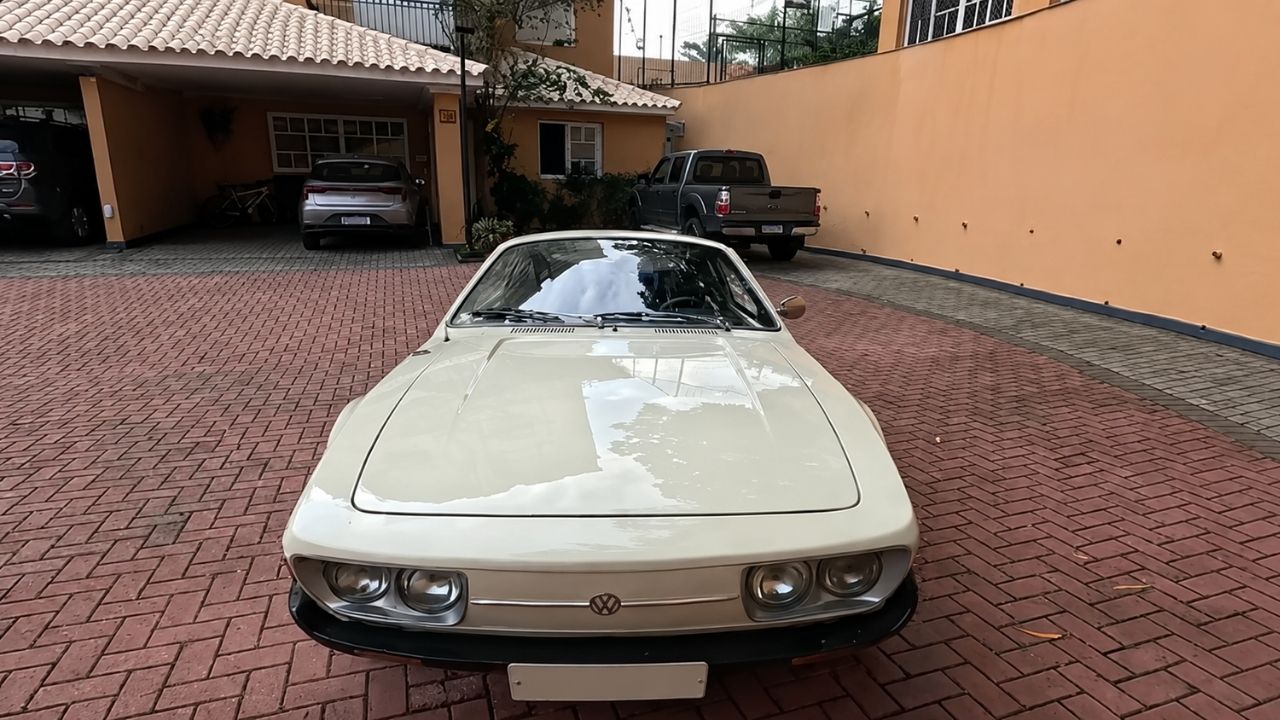
The Volkswagen SP2 was born with the appearance of a sports car, but it was never remembered as a high-performance car. The source itself highlights that the engine delivered 75 hp, a modest number for those expecting strong acceleration, especially when compared to the coupe’s aggressive image.
-
Discover the 2021 Fiat Cronos 1.3: Affordable Maintenance, Reliable Mechanics, and Fuel Efficiency of Up to 15.6 km/l

-
Cummins Unveils Hydrogen-Powered X15H Engine with Over 800 km Range and 15-Minute Refueling, Challenging Electric Truck Dominance

-
Chevrolet Onix 2026 Priced at R$ 86,790 with Discounts, Underpricing Citroën C3; Features 1.0 Engine, 6 Airbags, 8″ MyLink, Wi-Fi, and OnStar

-
Fiat Mobi Price Nears $18,000 in Brazil: Entry-Level Hatch with 1.0 Firefly Engine, Manual Transmission, and Stability Control Sees $400 Increase.


Even so, it is precisely this difference between appearance and performance that helps make the car so talked about. It seemed faster than it really was, but it also delivered something that many powerful vehicles cannot maintain for decades: visual presence.
The low design, long front, and striking rear created a Brazilian car with its own identity. Instead of relying solely on numbers, the SP2 became a symbol of style, rarity, and automotive memory.
At the time, performance needed to be understood within the context of the 1970s. According to the source, the declared top speed was 161 km/h, while the acceleration from 0 to 100 km/h was around 17 seconds. By current standards, it’s slow; for the time, it had a different significance.
National project became a source of pride for classic car fans
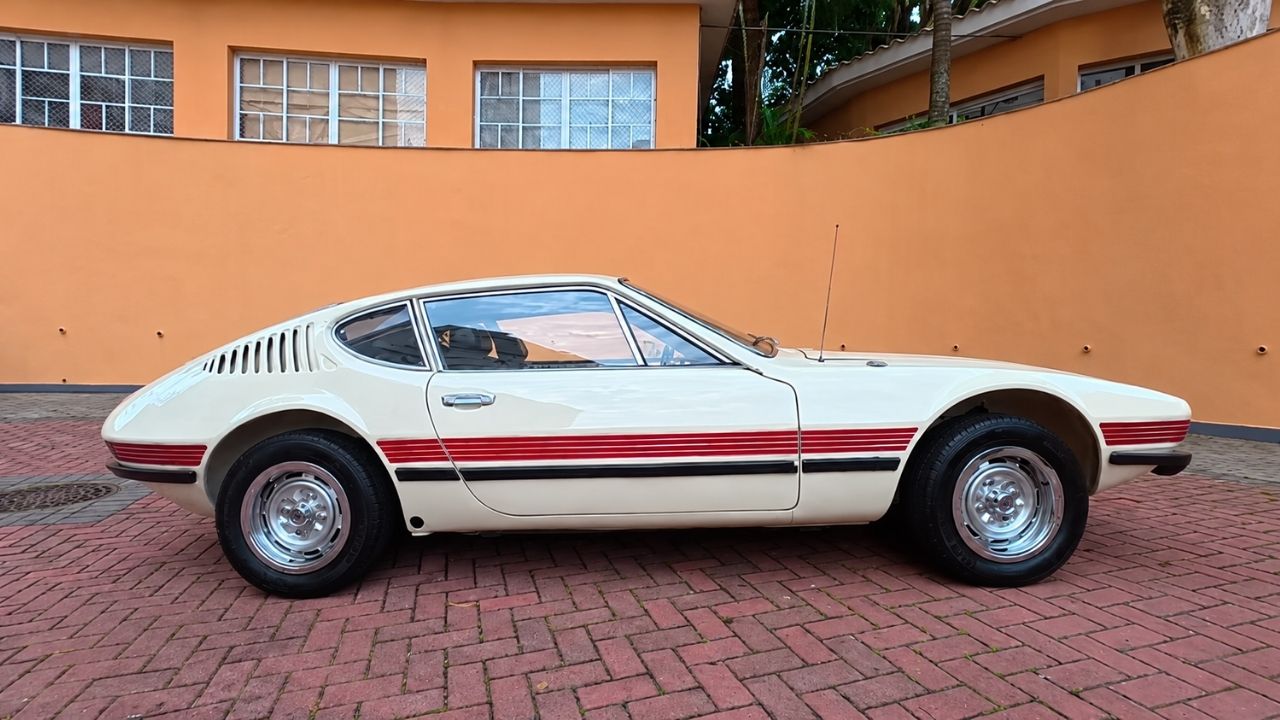
One of the most valued points by admirers is the fact that the Volkswagen SP2 was a Brazilian project. It was conceived by Volkswagen do Brasil and carries an aesthetic that doesn’t seem simply derived from foreign models.
This national origin is highly significant for collectors and enthusiasts. The car represents a phase when the Brazilian industry was trying to create products with their own identity, adapted to the local market and capable of sparking visual desire.
The source also recalls that there was the SP1, produced in much smaller quantities, and that there were plans for an SP3, which did not advance. This context reinforces the feeling that the SP2 remained the most well-known and emblematic version of this family.
The car ended up becoming a kind of exception within Volkswagen itself. It wasn’t just another mechanical derivative; it was a boldly designed coupe, with the look of a special piece.
Rear boxer engine maintained a connection with the Beetle school
Despite the sporty look, the Volkswagen SP2 used a mechanical base linked to the air-cooled Volkswagen universe. The engine was in the rear, it was a boxer, with dual carburetion, and delivered 75 hp and 13 kgfm of torque, according to the source.
The architecture also included rear-wheel drive and a four-speed manual transmission. The car weighed about 890 kg, which helped to partially compensate for the limited power, but did not make it a fast sports car.
The comparison with other cars of the time helps explain the divided perception. Lighter models, like some fiberglass sports cars, could be faster with similar mechanics. The SP2, on the other hand, focused more on style, finish, and presence.
It was a car to be seen, felt, and appreciated, not just measured by a stopwatch. This might be the reason it continues to spark interest even with numbers that today seem modest.
Low interior and driving position enhance the experience
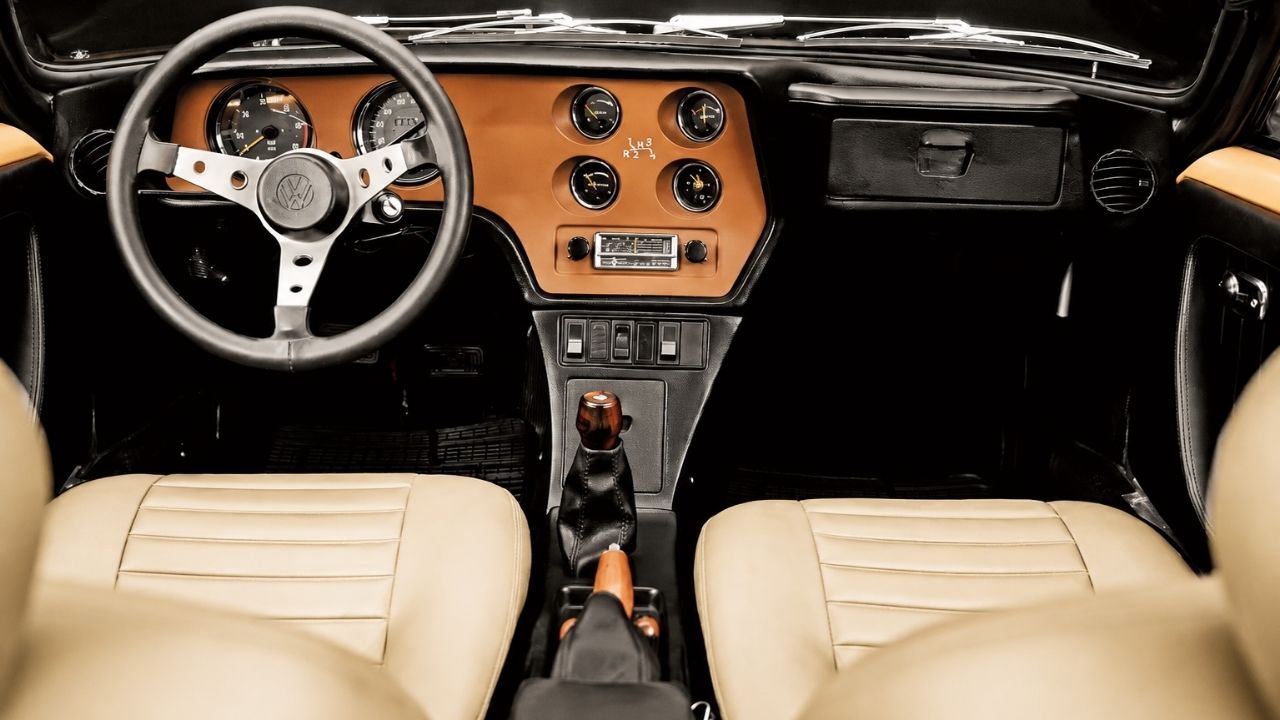
Inside the Volkswagen SP2, the source highlights the low driving position, the feeling of almost sitting on the floor, and the dashboard with instruments that help compose the period atmosphere. The steering wheel, simple controls, and finish in typical 1970s materials are part of the experience.
The car also features curious details, such as a tachometer, analog clock, period radio, ventilation, heater, and simple mechanical controls. These are elements that today seem rustic but enhance the charm of a classic.
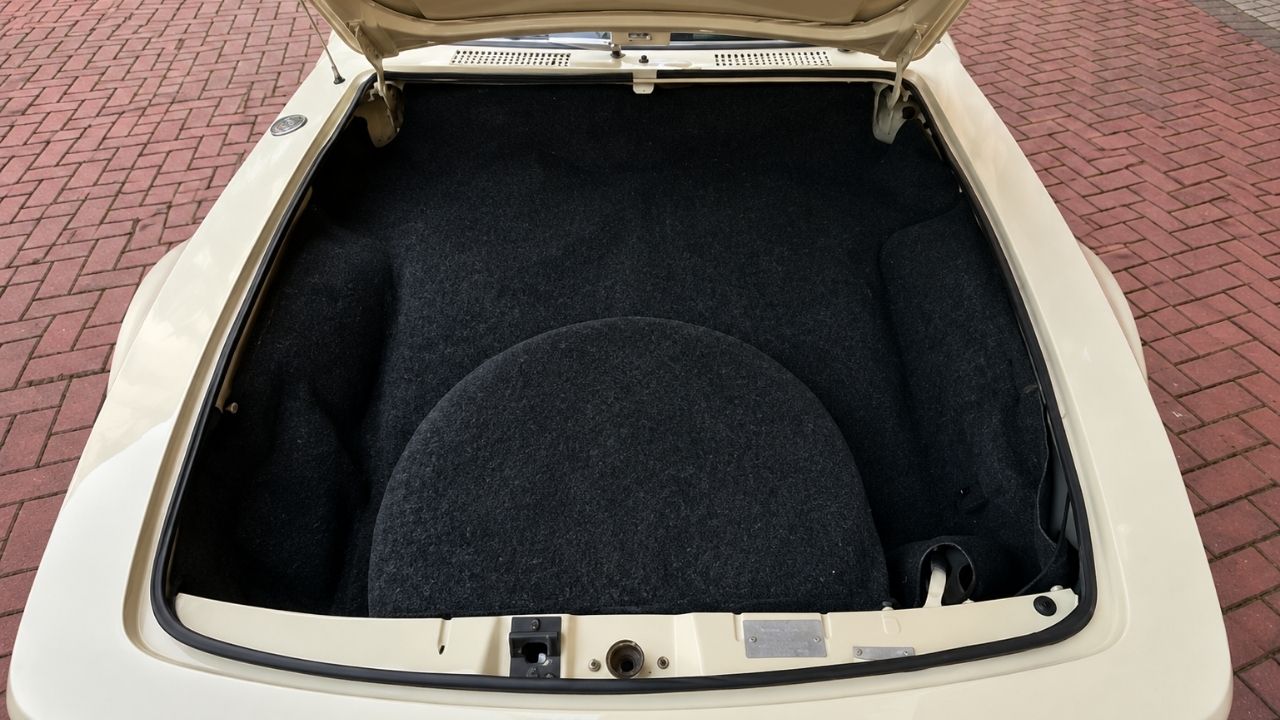
The front trunk had 141 liters, while the rear still offered additional luggage space above the mechanical assembly. This arrangement shows how the car tried to balance style, everyday use, and technical solutions.
The SP2 doesn’t need to look modern inside to be interesting. The charm lies precisely in revealing another era of the industry, when ergonomics, safety, and comfort followed very different standards from today’s.
Foreign collectors began to look at the Brazilian coupe
The recent appreciation of the Volkswagen SP2 is directly related to the interest of foreign collectors. According to the source, many enthusiasts from abroad have started to discover the Brazilian model and see it as a rare, beautiful, and different classic within Volkswagen’s history.
This movement fuels a concern among Brazilian fans: the possibility of models leaving the country. When a national vintage car gains international prestige, the price rises and external interest can increase the competition for well-preserved units.
The source cites varied values in the market, with models advertised in high ranges, depending on the state of preservation, originality, and restoration. This reinforces how the car has ceased to be just vintage and has come to be treated as a collectible piece.
The fear of enthusiasts is seeing a piece of Brazilian design leave Brazil. For many, the SP2 is not just a rare Volkswagen; it is a symbol of a creative phase of the national industry.
Limited performance did not erase the charisma
The Volkswagen SP2 has always carried the reputation of being beautiful but weak. This criticism arises because the look suggested more sportiness than the engine could deliver. Still, the set is not just about power.
The source highlights that driving the car provides its own experience, with a characteristic roar, mechanical vibration, low position, and the feeling of an old machine. For those who love classics, this weighs more than acceleration or top speed.
Vintage cars are often judged by a different standard. The value lies in the history, the design, the rarity, the analog experience, and the way the vehicle communicates with the driver. In this sense, the SP2 delivers something that many modern cars cannot replicate.
Not every classic needs to be fast to be special. Some survive because they have personality, and the SP2 seems to be precisely in that group.
Design spanned decades without losing strength


The greatest asset of the Volkswagen SP2 is the design. The low front, elongated profile, sloping rear, and overall proportion make the car look current even after more than 50 years. This aesthetic permanence is one of the reasons for the growing interest.
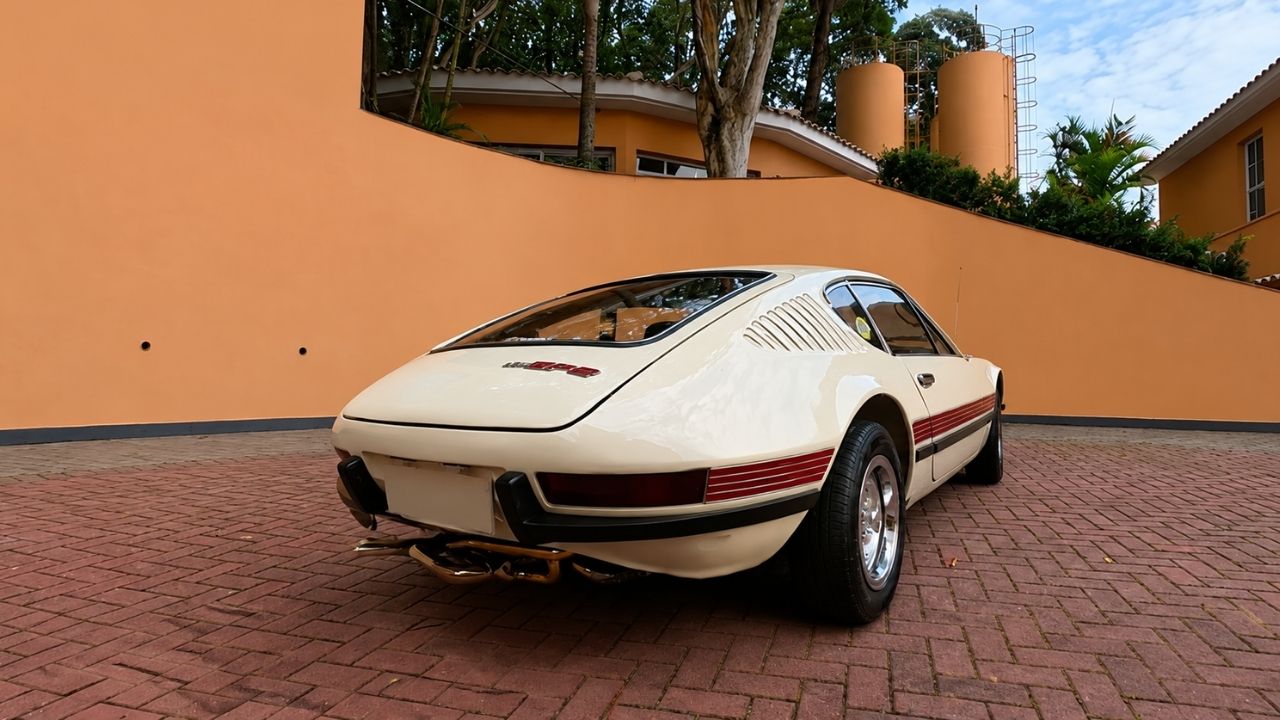
The source even jokes about the visual similarity of the rear with modern German sports models. The comparison, even in a light-hearted tone, shows how certain lines of the SP2 have aged better than many people imagined.
This type of timeless design is rare. Many vintage cars become interesting due to nostalgia but are dated in style. The SP2, on the contrary, still looks elegant, clean, and provocative when seen on the streets or at classic car gatherings.
This is why the car attracts attention even from those who did not live in its era. It does not rely solely on the emotional memory of the 1970s; its design still communicates beauty to new generations.
Restoration and originality have become sensitive points
With the appreciation, the importance of originality also grows. A preserved Volkswagen SP2, well-restored or with a set faithful to the original design, tends to be more desired by collectors seeking authenticity.
The source mentions the fear that buyers might transform old models with modern engines, including electric ones. This type of modification divides opinions. For some, modernizing makes the car more usable; for others, it erases part of the classic’s soul.
This debate is common in the world of classic cars. There are those who advocate for restorations faithful to the era and those who prefer customized projects, with more power, comfort, and reliability. In the case of the SP2, the discussion gains weight because the car is rare and has national historical value.
The question is difficult: to what extent does improving a classic cease to be an improvement and become a mischaracterization? For many fans, the SP2 is valuable precisely because it is what it is, with its original limitations and virtues.
Do you think that national classics like the Volkswagen SP2 should be preserved in Brazil, or is it part of the market for them to go to foreign collectors? Leave your opinion in the comments.