Portuguese
  Spanish


Low gear increases vehicle control on hills, long descents, ramps, and difficult sections, without replacing basic driving precautions
A simple function of the automatic transmission still causes doubt among many drivers. The letter “L”, present in some models, indicates the Low mode, meaning low gear.
This feature limits shifts to shorter ratios. In practice, the car maintains more power at low speed and responds better in situations that require control.
The function is not designed for fast driving on free avenues or flat roads. The correct use occurs in sections where power, traction, and safety are more important than speed.
-
Brazilian Factory Restores Truck Engines and Parts, Reducing Raw Material Use by Up to 85% After 80 Years in Business

-
British Marines Set Record by Changing Ford Escort Engine in 42 Seconds, Unbroken for 40 Years

-
BYD Owners in Brazil Raise Concerns Over Warranty After 87,000 km, Two Repairs in Three Days, and Over $500 in Costs

-
Classic Volkswagen Beetles of Brazilian Presidents to Swap Museums in Historic Partnership
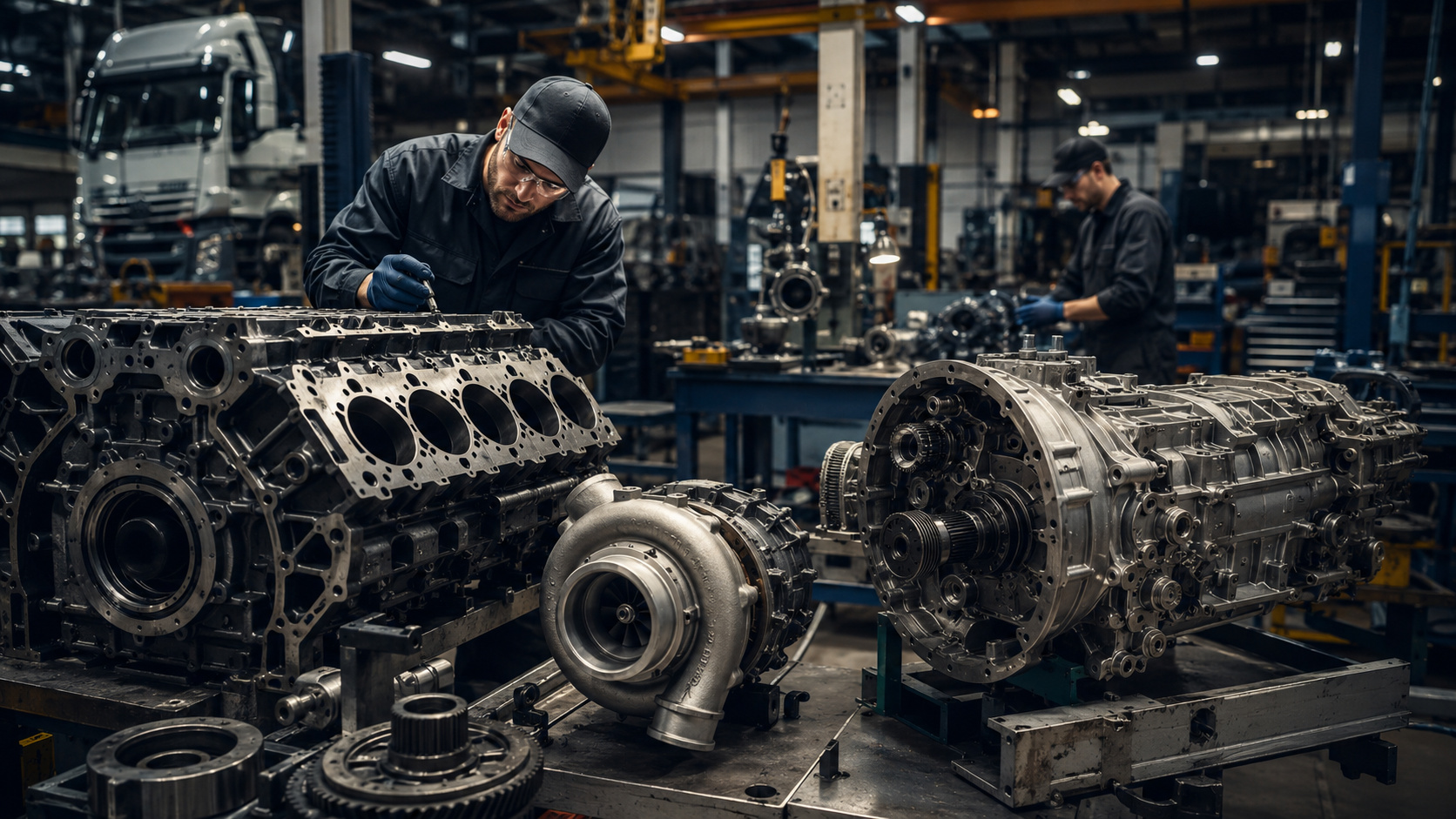


According to automotive manuals and technical guidelines from manufacturers like Toyota, as well as specialized publications like UOL Carros, Estadão Mobilidade, and J.D. Power, the Low mode should be used only in specific moments.
Technical function keeps the car stronger at low speed
The letter “L” informs the transmission that it should work in low gear. Normally, the system maintains the first gear or an equivalent ratio in more modern transmissions.
Thus, the transmission avoids seeking higher gears to reduce consumption. The engine remains at higher revs and delivers more torque to the wheels.
In real driving, the vehicle becomes stronger and less fast. The driver gains firmer responses in sections with inclination, resistance, or low traction.
This behavior helps when the transmission in “D” starts to shift frequently. The situation usually appears on hills, ramps, bad roads, and prolonged descents.
Situations where the Low mode can be used
The Low mode should be used when the driver needs more control at low speed. The function also helps when the automatic transmission is “hunting” for gears.
Main usage situations:
- Steep climbs: the engine maintains constant power and avoids unnecessary shifts.
- Mountain descents: the engine brake helps hold the car.
- Light towing: the low gear reduces frequent changes at low speed.
- Bad roads: the car responds better in mud, gravel, short ramps, and slippery surfaces.
In these cases, the transmission works more restrained. The result is a more predictable and safer drive.
Low gear helps preserve brakes on descents
On long descents, constant use of the brake pedal can heat up pads and discs. This heating can reduce braking efficiency.
Selecting “L” makes the transmission hold a shorter gear. This way, the engine itself helps control the car’s speed.
This effect is known as engine braking. The function assists driving but does not replace the conventional brake.
The ideal is to combine engine braking with gentle touches on the pedal. A safe distance from the vehicle ahead also helps avoid sudden braking.
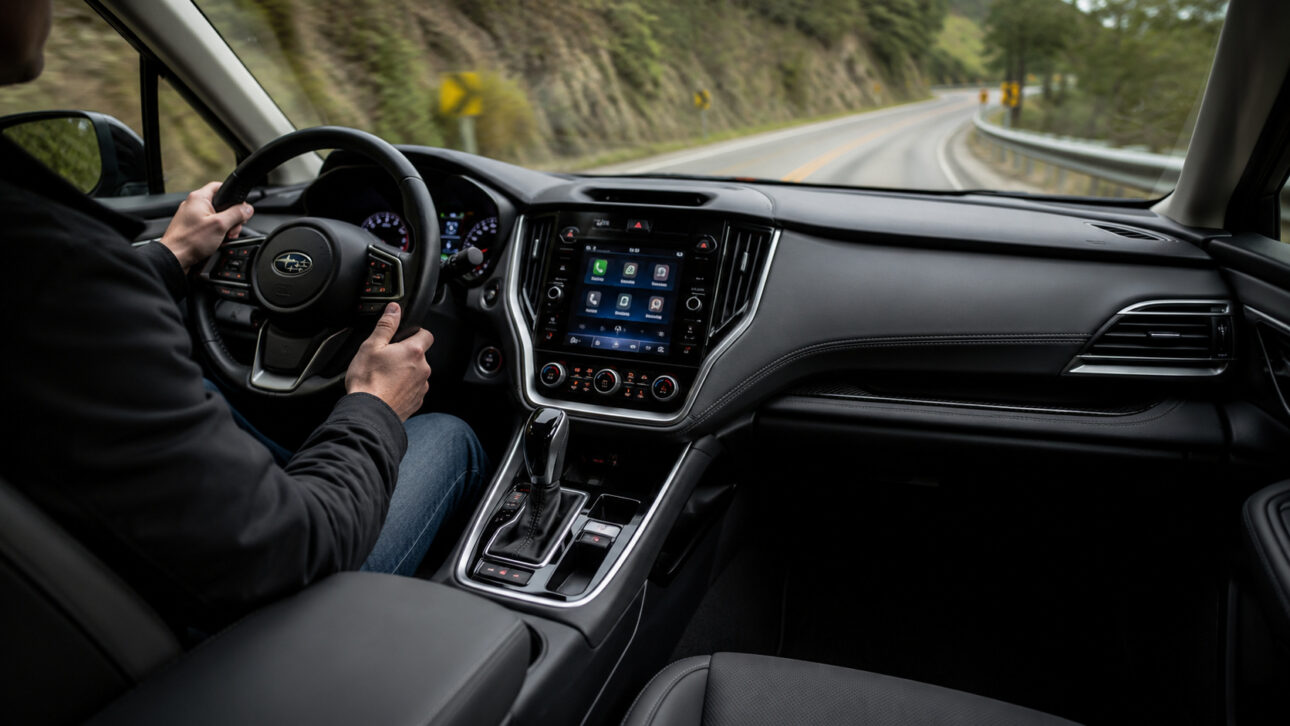
Incorrect use can excessively increase engine RPM
The “L” should be engaged with the car at low speed or before entering a difficult section.
Many modern models have an electronic control unit to prevent dangerous downshifts. Even so, the vehicle manual remains the main reference for each car.
Important precautions:
- Reduce speed before selecting “L”.
- Use only on steep climbs, long descents, or low traction.
- Return to “D” when the road becomes flat.
- Do not keep “L” at high speed.
- Avoid using the function as a sport mode.
The function was created for control, not for performance. Prolonged use at high speed can excessively increase engine RPM.

Simple detail improves driving in difficult sections
The “L” in automatic transmission functions as a support tool for the driver in specific situations.
It makes the car more obedient at low speeds, reduces unnecessary gear changes, and helps preserve the brakes on long descents.
For daily use, the “D” remains the correct position. The “L” should only be engaged when the terrain requires more power, restraint, or traction.
A steep hill, a garage ramp, a dirt road, or a long descent are examples of moments when the low gear can make a difference.
Have you ever used the “L” mode in your car’s automatic transmission or were you still unsure about the function of this low gear? Share your opinion!