Portuguese
  Spanish


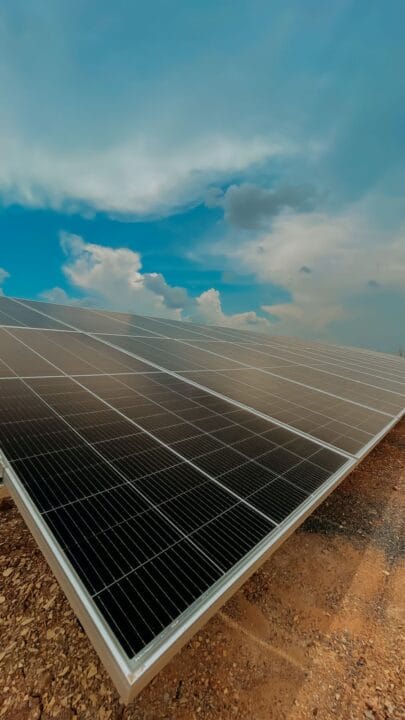

Robust Partnership Aims to Light Up 20 Thousand Homes by 2024 and Strengthen Distributed Generation.
Mato Grosso will be the stage for a major advance in renewable energy. By 2024, Brasol intends to raise 45 solar photovoltaic farms, an achievement made possible by the stellar partnership with Grupo Oeste and Enersim. With an estimated budget of R$ 250 million, the initiative promises to revolutionize the distributed generation (GD) market in the region.
Distribution of Responsibilities and Energy
Grupo Oeste enters the game responsible for selling the energy, following the shared generation quota scheme. On the other hand, Enersim will take on the challenge of constructing the projects. Once the plan is completed, the plants will produce an impressive capacity of 58 megawatts-peak (MWp). This amount of energy can light up about 20 thousand homes, a response to niche consumers such as restaurants, bars, and households still seeking the free energy market. Carlos Bacha, the company’s investment director, highlights that these “are, in fact, small consumers, with many still outside the free market.”
-
Fired during apartheid and with a little borrowed money, an electrician started with a borrowed truck and transformed electrical services into a group connected to energy, real estate, and infrastructure in South Africa.

-
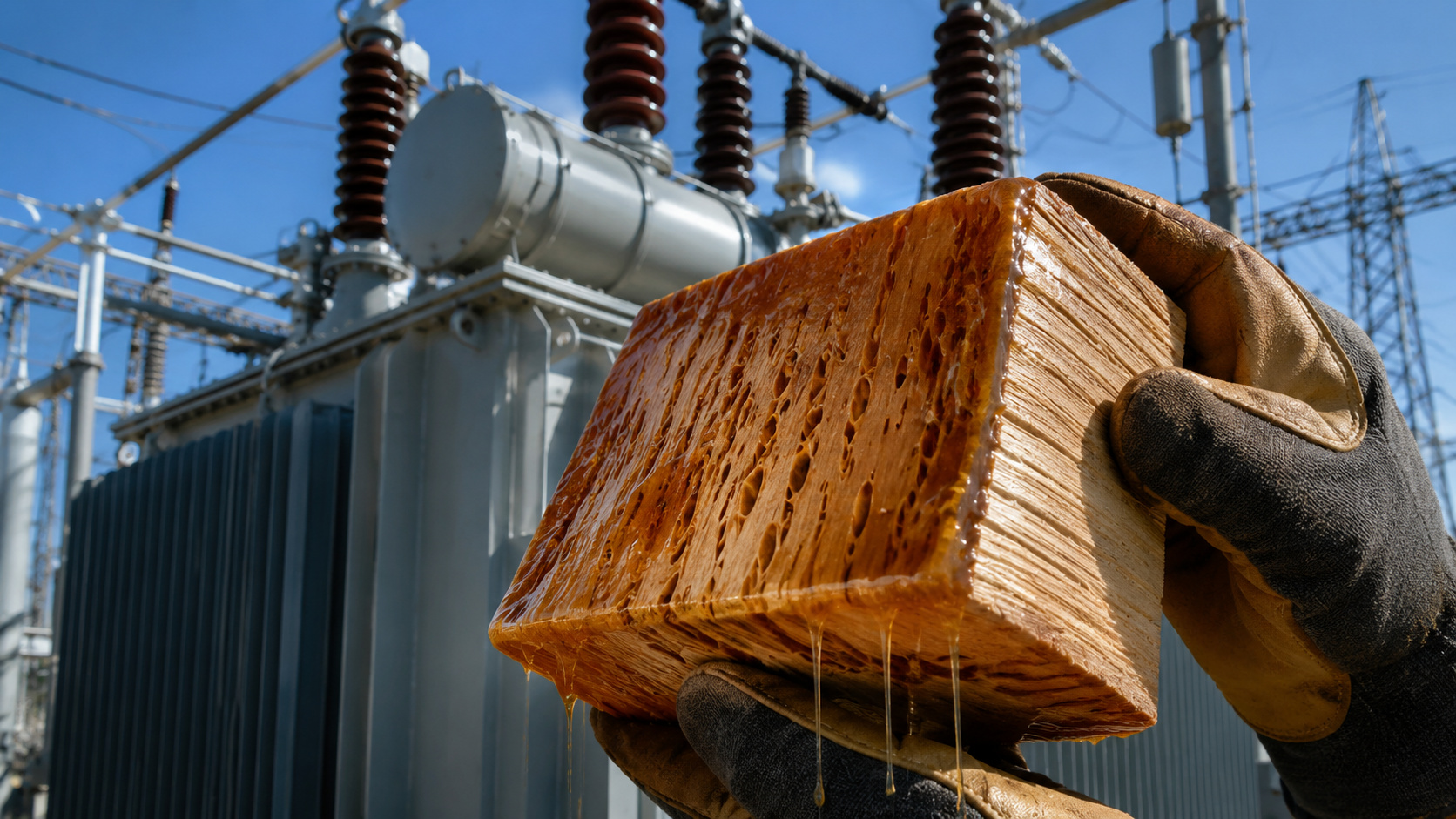
Wood has ceased to be just a construction material in Yale research and has become insulation for electrical transformers that face intense heat, aging, and increasing pressure from the renewable energy-powered grid.
-
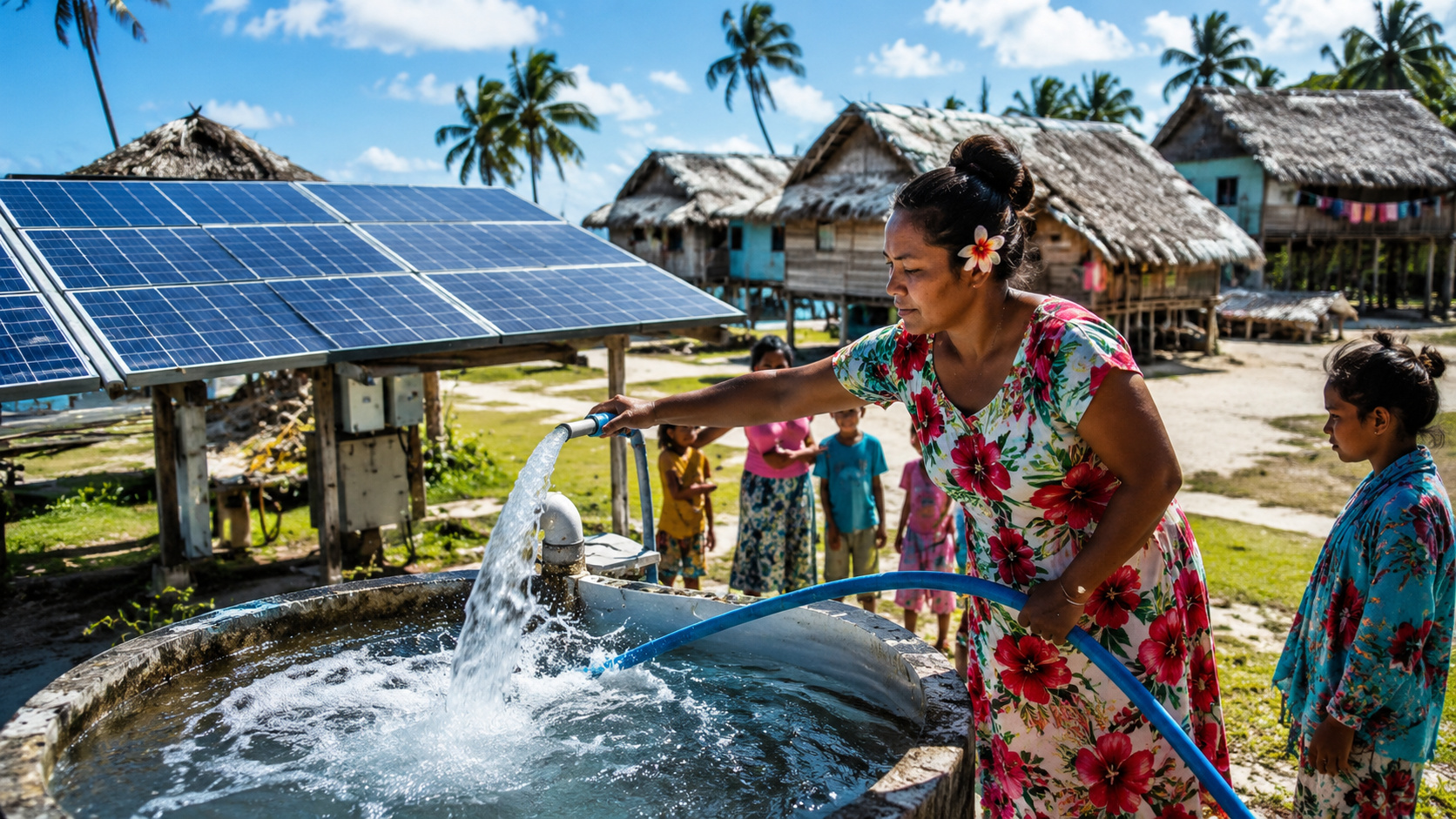
More than 1,000 residents of a remote island in Kiribati now have clean water and electricity with solar systems operated by the community itself.
-
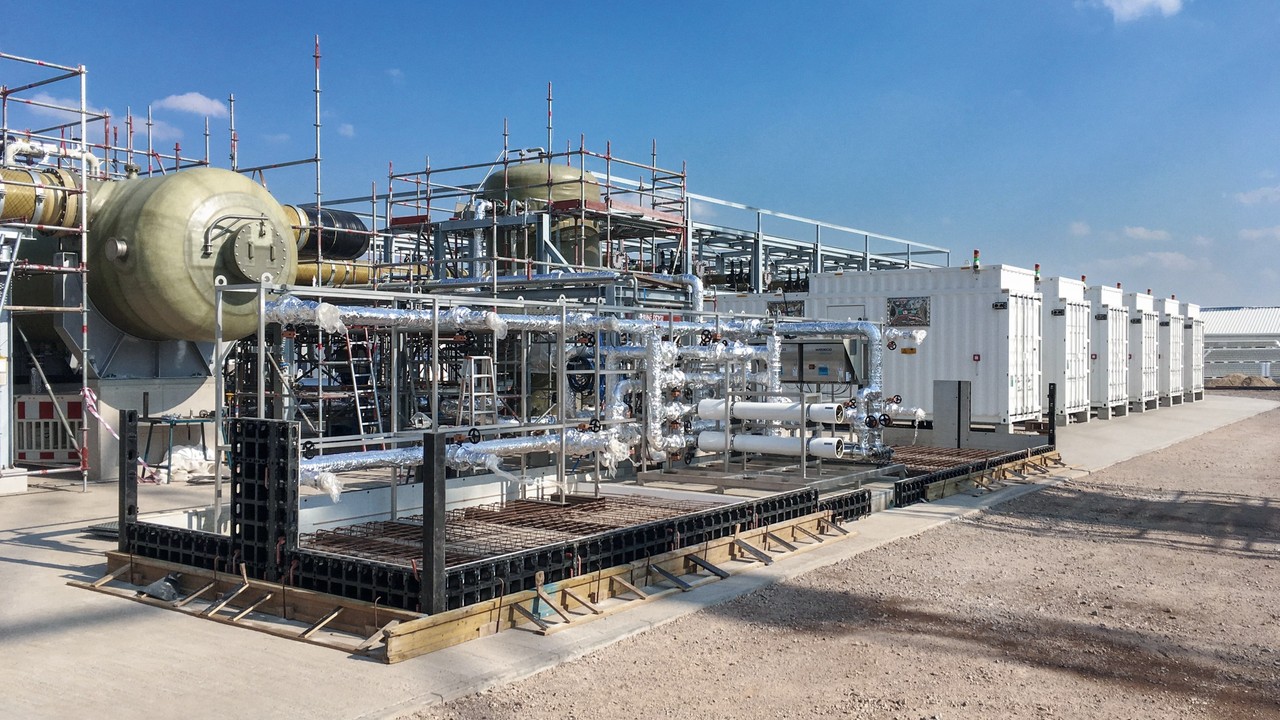
Ceará brings together 7 giants and R$ 66 billion to transform Pecém into the largest green hydrogen hub in Brazil, with final decisions expected by the end of 2026.


Financing Models and Project Expansion
The new plants were fortunate to secure their connection protocol with distributors before a significant turning point – January 7 of this year – when the rules for charging for distribution services were reformed. Thus, these ventures enjoy an old taxation model, more friendly for the investor, yet with a specific deadline to start operations and secure this advantage.
The financing of the plants has taken an interesting turn. Bacha reveals that an initial fundraising of R$ 100 million was carried out through Real Estate Receivables Certificates (CRIs) in collaboration with the investment platform EQI. This amount brought to life the first 15 plants. And, aiming for the project’s continuity, the company seeks to raise an additional R$ 150 million through CRIs.
Expanding its horizons even further in the GD segment, Brasol is eyeing six already built plants, all courtesy of project developers in this sector. For this new endeavor, the company already has R$ 500 million in hand and is looking for opportunities to conduct emissions in the market.
With such strategic moves and massive investments, Brasol reinforces its commitment to distributed generation and a more sustainable future for Mato Grosso and Brazil.
Photo: Steh220 Press Advisory.