






 Portuguese
  Spanish
  3 min of reading
  0 comments


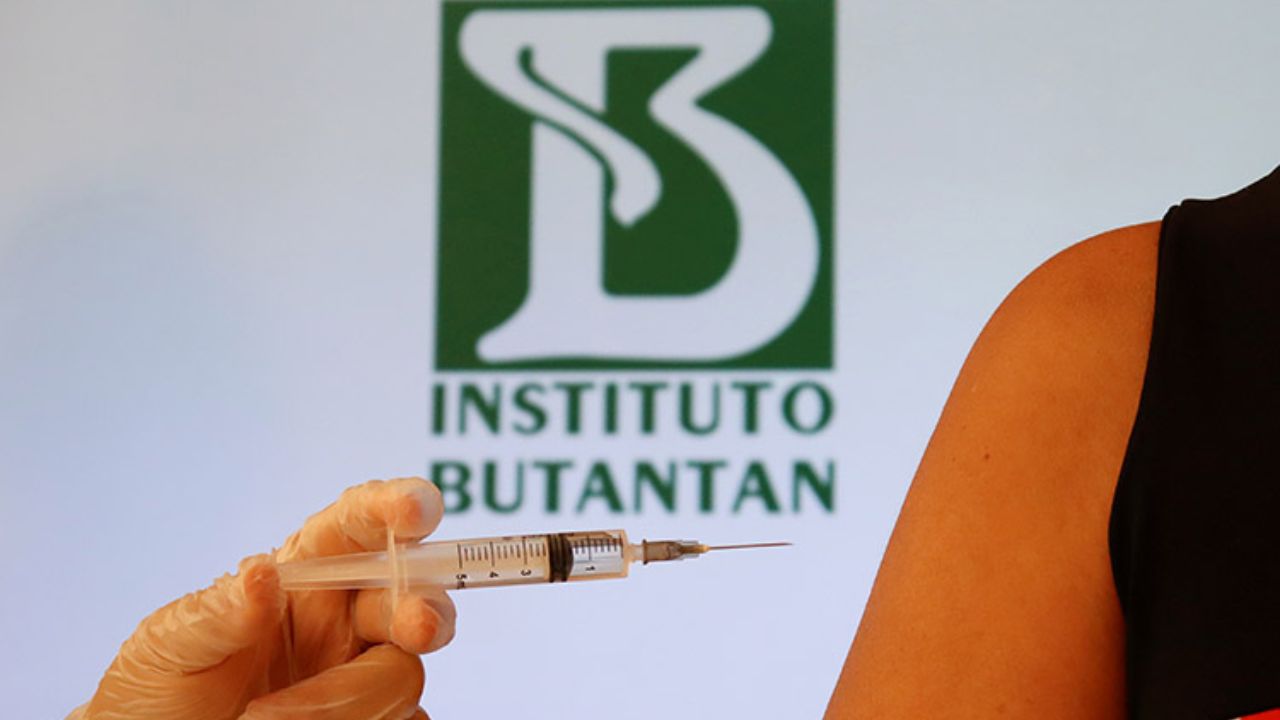
The Butantan Institute received authorization from Anvisa to manufacture the chikungunya vaccine in Brazil. National production should lower SUS access costs. Check it out.
The manufacturing of the world’s first chikungunya vaccine will be nationalized to reduce public spending and facilitate the entry of the immunizer into the Unified Health System (SUS). Authorization for the Butantan Institute to produce the drug at its factory in Brazil was granted by the National Health Surveillance Agency (Anvisa) on Monday (4).
Named Butantan-Chick, the vaccine is intended for adults aged 18 to 59 and already had registration for use in national territory since last year, but its production still depended on foreign laboratories. Now, the Brazilian research center takes over the manufacturing process to combat the virus transmitted by the Aedes aegypti.
Anvisa authorizes Butantan to manufacture chikungunya vaccine in Brazil; production expected to lower SUS access costs
The main advantage of Anvisa’s decision is that the chikungunya vaccine will now have a significantly lower production cost. By taking over full manufacturing, the public institution eliminates the need to import the final product from its partner Valneva, a French-Austrian pharmaceutical company.
-
Helicopter Drops 180 Tons of Sand and Gravel on Swedish River to Revive Ecosystem Damaged by Decades of Exploitation

-
Brazilian Company Launches Retro Smartphone with 48 MP Camera, T9 Keyboard, and Privacy Features for Social Media-Free Use

-
Self-Taught Chinese Farmer Builds 5-Ton Submarine from Scrap, Launches It in Anhui River
-
Invisible Induction Technology Enables Wireless Power for Blenders, Coffee Makers, and Air Fryers, Reducing Countertop Cables


According to Esper Kallás, director of the Butantan Institute, this change is strategic for Brazilian public health. The director explained in a statement that, as a state agency, Butantan can pass on the immunizer at lower prices:
“By carrying out most of the manufacturing process, the Butantan Institute will be able to deliver the vaccine at a lower and more accessible price, with the same quality and safety,” guaranteed the manager.

Application rules and priority groups
Even with nationalization, the safety protocols for the chikungunya vaccine remain rigorous. The immunizer uses attenuated live virus technology, which requires caution for certain health profiles.
Check the application guidelines:
- Authorized public: Adults between 18 and 59 years of age.
- Mandatory restrictions: Use is prohibited for pregnant women, immunodeficient, or immunosuppressed individuals.
- Medical justification: As the virus is only weakened (and not dead), it could cause complications in weakened immune systems.
- Practical application: São Paulo cities like Mirassol and Bady Bassitt have been using the immunizer in outbreak areas since February of this year.
Efficacy data and global recognition
The safety of the nationalized immunizer was proven in international tests conducted with approximately 4,000 people in the United States. The scientific results, which served as the basis for Anvisa’s approval, were highlighted in the specialized journal The Lancet, under the leadership of researcher Martina Schneider.
The data shows that 98.9% of volunteers developed neutralizing antibodies, defense cells that block the entry of the virus into human cells. This high protection rate has already earned the vaccine approval from prestigious international regulatory bodies, such as the EMA in Europe and the FDA in the United States.
With information from the Butantan Institute




Be the first to react!