Portuguese
  Spanish


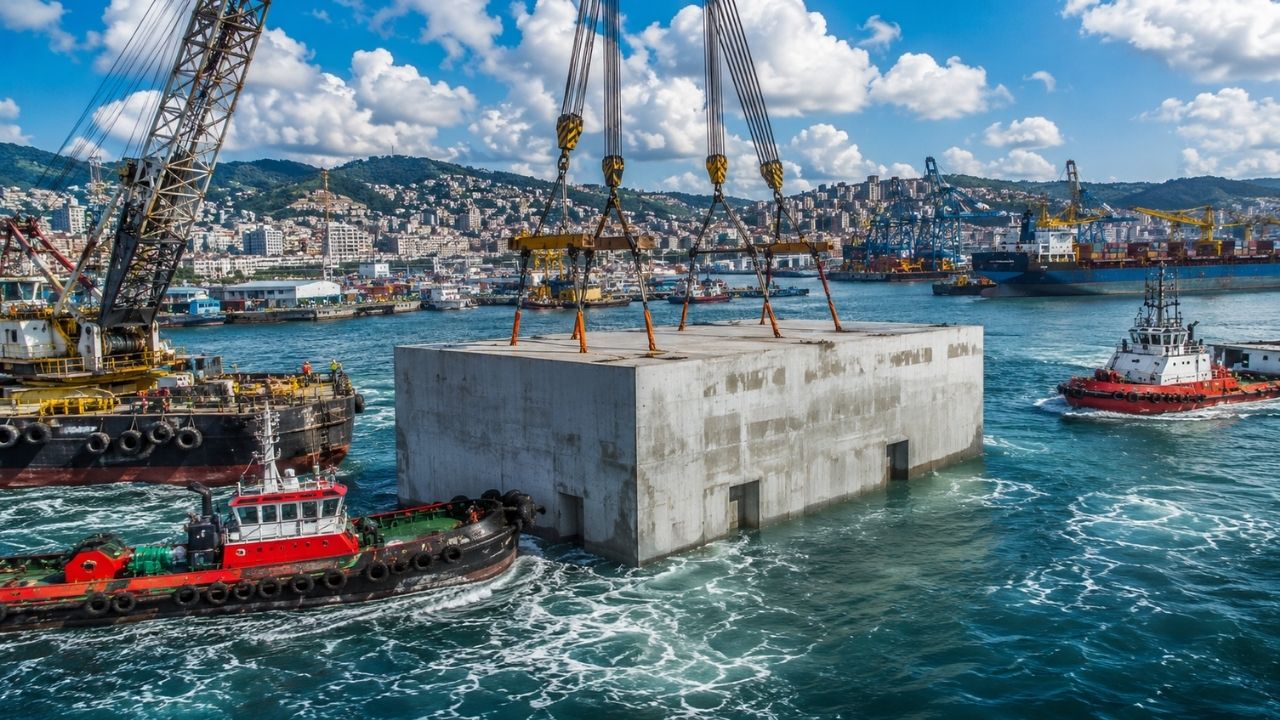

The 22nd caisson of the new Genoa breakwater was installed just three days after the 21st, in a front led by Webuild that operates seven days a week. The work aims to protect the Liguria port, enhance competitiveness, and adapt the port system to the expanding European international maritime traffic.
The 22nd concrete caisson of the new Genoa breakwater was submerged in the sea just three days after the installation of the 21st, marking another milestone in one of Italy’s most strategic port works. The construction continues at a steady pace, with activities seven days a week.
The project is carried out by the PerGenova Breakwater Consortium, led by Webuild, on behalf of the Western Ligurian Sea Port Authority. The structure is part of a broader strategy to strengthen the role of the Genoa port in European trade flows and adapt the port system to the new dynamics of international maritime traffic.
22nd caisson was installed just three days after the previous one
The installation of the 22nd caisson confirms the accelerated pace of the new Genoa breakwater construction. According to the project information, the piece was submerged just three days after the placement of the 21st caisson, showing an intense operational sequence at sea.
-
On the world’s highest navigable lake, the Uros people have hand-built around 100 floating straw islands, living on them for 3,000 years without concrete or foundations.

-
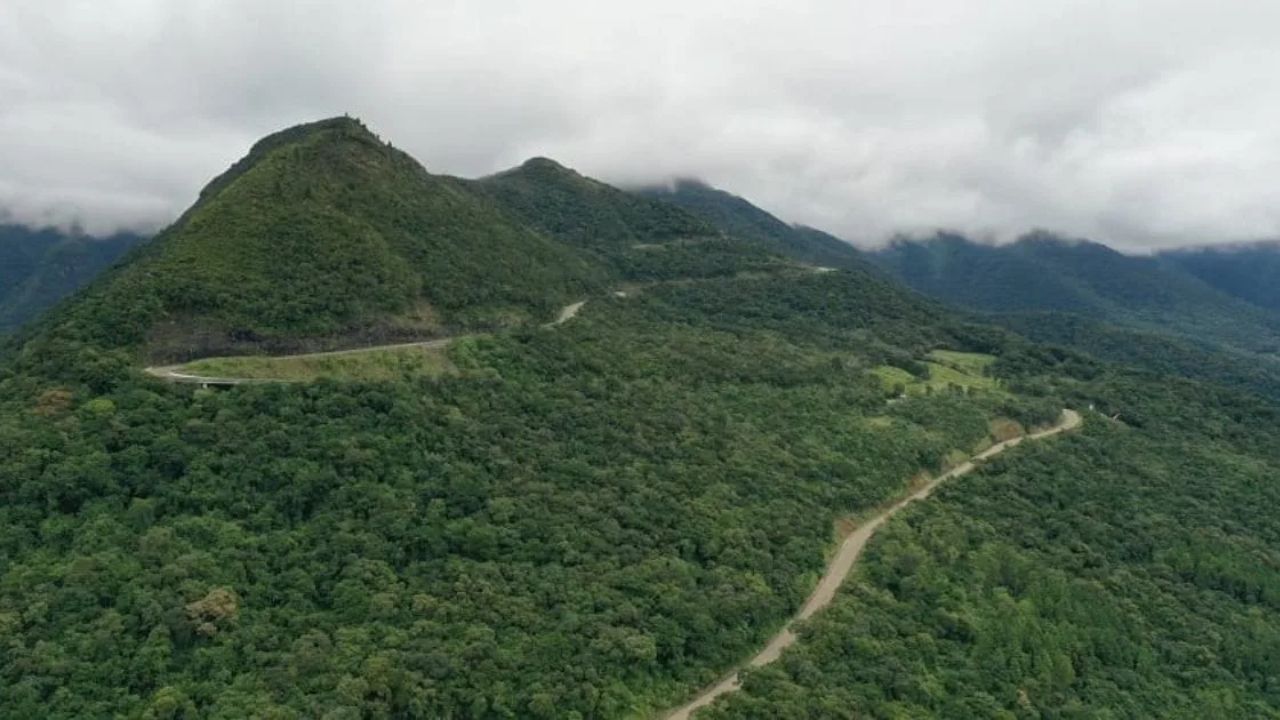
Newly Completed Brazilian Highway in the Serra da Rocinha Becomes a 16.5 km Cycling Challenge and Boost for Local Tourism

-
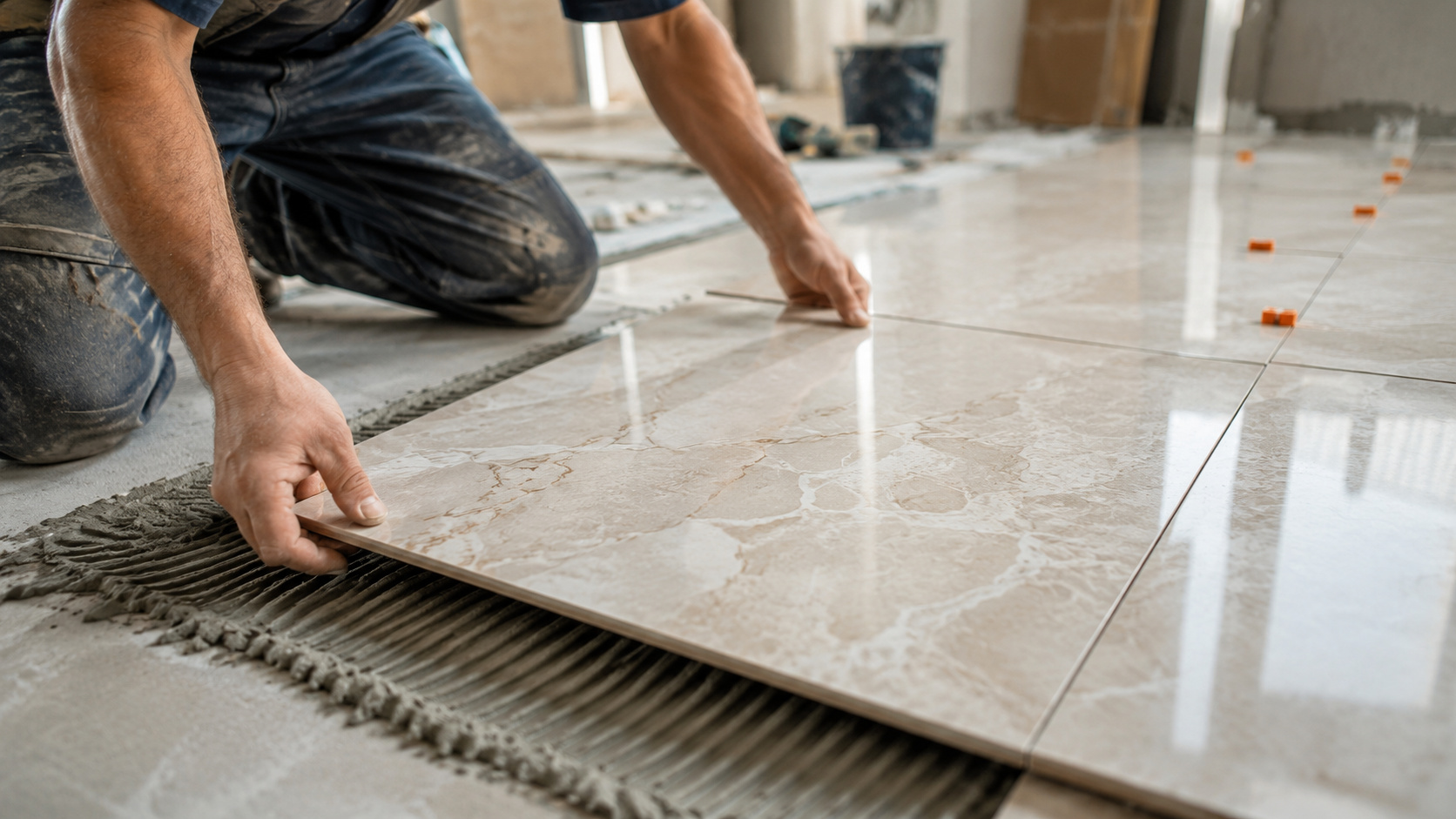
Innovative Mortar Technique Enhances Porcelain Tile Stability, Reduces Buckling and Detachment Risks, and Provides Durable Finish Under Heavy Use

-
Giant Robots Build Entire Neighborhood of 100 3D-Printed Homes in the U.S., Showcasing Technology’s Impact on Construction Industry


This short interval draws attention because offshore works depend on logistics, technical precision, and controlled operational conditions. Each caisson needs to be positioned appropriately to form the maritime barrier that will protect the port infrastructure.
The repetition of this step indicates that the execution plan is advancing regularly. The project itself highlights the robustness of the planning adopted by the responsible consortium.
In works of this type, progress is measured not only by the number of structures installed but by the ability to maintain pace without losing safety, coordination, and technical control.
New breakwater aims to protect the Genoa port
The new Genoa breakwater was planned to reinforce the maritime protection of the Liguria port. The structure functions as a barrier against the force of the sea, helping to organize port access and enhance operational safety.
The installation of concrete caissons is one of the central stages of this protection. These large submerged structures help form the physical foundation of the breakwater, creating a robust defense against the demands of the offshore environment.
The port of Genoa plays a significant role in northern Italy and European trade flows. Therefore, the project is not just a local intervention but part of a broader logistical strategy.
By strengthening the port infrastructure, the project aims to prepare Genoa for more demanding navigation, with vessels, routes, and operations aligned with the evolution of international trade.
Project operates seven days a week at sea

The construction of the new breakwater combines innovation, heavy engineering, and offshore operations. The work takes place seven days a week, which helps explain the speed between the installation of the 21st and 22nd caisson.
This pace requires coordination between teams, equipment, and maritime planning. Unlike a land-based project, the offshore front depends on operational windows and more complex logistics.
The submersion of each caisson must follow a technical sequence. The process involves transportation, positioning, control, and integration with the other parts of the structure.
Maintaining this cadence shows that the project has entered a phase of continuous execution. The advancement of the 22nd caisson reinforces the perception that the project is progressing steadily.
Webuild leads the consortium responsible for the project

The construction is conducted by the PerGenova Breakwater Consortium, led by Webuild. The operation takes place on behalf of the Western Ligurian Sea Port Authority, responsible for the region’s port system.
Webuild is also connected to other relevant projects for the mobility and logistics of Genoa, such as the Terzo Valico dei Giovi and the Genoa Junction. This set of works helps position the city within a larger network of strategic infrastructure.
In the case of the breakwater, the focus is on the maritime front. The other mentioned projects are connected to the reinforcement of circulation and logistical integration.
The sum of these interventions points to an attempt to increase Genoa’s competitiveness, linking port, trade routes, and land infrastructure in a single development strategy.
Port of Liguria seeks more competitiveness in Europe
The new breakwater is expected to strengthen the central role of the port of Genoa in Liguria, in northern Italy. The region has logistical importance because it connects to European trade flows and international maritime traffic.
The work aims to adapt the port system to the new demands of global trade. Modern ports need to handle larger vessels, more efficient operations, and greater pressure for competitiveness.
In this context, protecting and reorganizing maritime infrastructure becomes a strategic issue. A more prepared port can gain strength in trade routes and increase its relevance within the European logistics chain.
The advancement of the 22nd caisson, therefore, is not just a construction milestone. It represents a concrete step within a broader port transformation.
Concrete caissons become the base of the new maritime barrier

The use of concrete caissons is a common solution in large maritime works because it allows for the creation of heavy, stable structures capable of withstanding the coastal environment. In the case of Genoa, each installed unit contributes to the formation of the new breakwater.
The submersion of these blocks transforms the seabed into a base for port protection. From them, the structure gains continuity and the ability to fulfill its barrier function.
The fact that the 22nd caisson was placed just a few days after the previous one reinforces the scale of the operation. The work progresses through technical repetition, precision, and sequencing of steps.
This type of construction does not have the immediate visual impact of a building rising on the horizon, but it profoundly and enduringly changes the essential infrastructure of the port.
Genoa adapts port to new maritime dynamics
The source of the project highlights that the new breakwater will help adapt the port system to the new dynamics of international maritime traffic. This sentence summarizes the strategic objective of the work.
Global maritime trade is constantly changing, with new operational demands, increased competition among ports, and the need for more prepared infrastructure. Genoa is trying to position itself to remain relevant in this scenario.
The competitiveness of a port depends on access, protection, efficiency, and connection with transport networks. The breakwater serves precisely as a piece of protection and maritime reorganization.
Alongside other infrastructure projects in the region, the work can enhance Genoa’s capacity to attract commercial flows and sustain its logistical importance in northern Italy.
New breakwater puts Genoa in a decisive phase
The installation of the 22nd concrete caisson shows that the new breakwater in Genoa has entered a phase of visible progress. The placement of the structure just three days after the 21st caisson reinforces the pace of the operation and the intensity of the offshore work.
More than a maritime work, the project seeks to protect the port, increase competitiveness, and prepare Liguria for changes in international traffic. Each installed caisson represents an additional piece in the attempt to shield Genoa for the future of European trade routes.
The challenge now is to maintain the pace, complete the next stages, and transform the work into a real gain for the Italian port system.
And you, do you think that major works like the new breakwater in Genoa are essential to keep ports competitive in Europe, or do the cost and complexity of this type of structure still need more debate? Share your opinion.