






 Portuguese
  Spanish
  3 min of reading
  0 comments


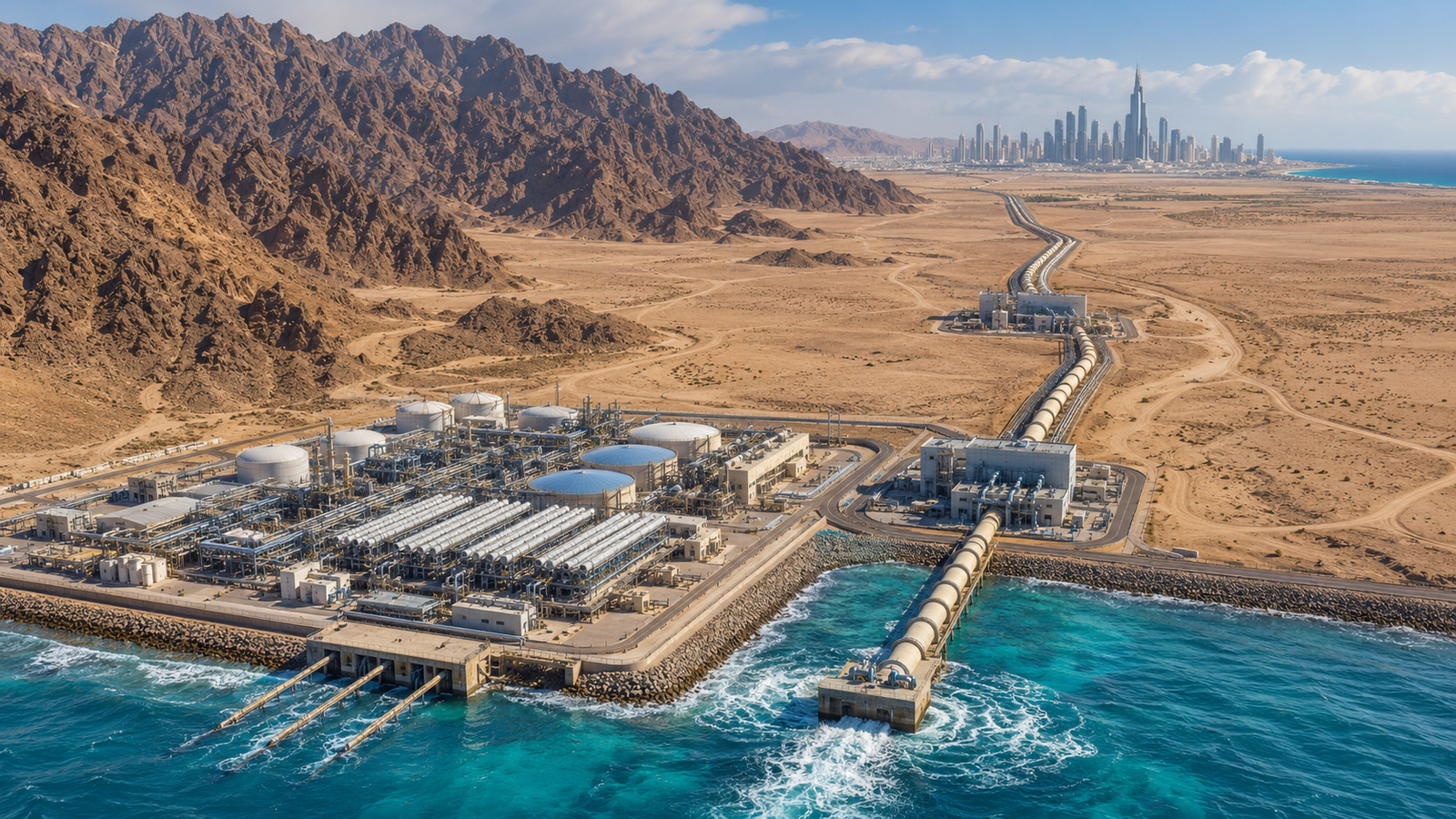
With 31 desalination plants, 14,217 kilometers of underground pipelines, and 47 pumping stations, Saudi Arabia transforms seawater into supply for desert cities, including Riyadh, located about 400 kilometers from the coast
Saudi Arabia uses desalinated seawater, 31 plants, and about 14,217 kilometers of underground pipelines to supply cities far from the coast, such as Riyadh, which is approximately 400 kilometers from the coast and hosts more than 8 million inhabitants in the middle of the desert.
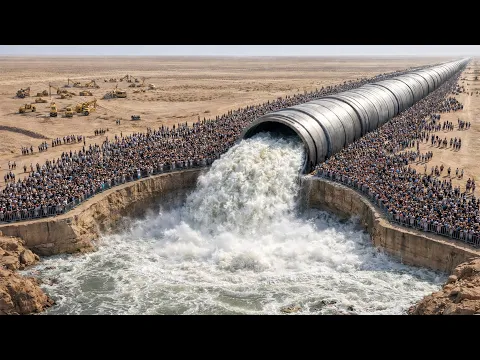

Seawater became a central piece of Saudi supply through underground pipelines
In a country without permanent rivers, seawater has taken on a strategic role in urban and industrial supply.
The system begins in coastal areas of the Red Sea and the Arabian Gulf, where water is collected for treatment.
-
Former coal mining area in the central United States receives nearly 17,000 solar panels generating 9.8 megawatts, serving over 650 subscribers and including about 200 low-income families without installing anything on rooftops.

-
Hidden beneath a small entrance in Namibia’s underground, the largest underground lake in the world is the size of 2 football fields, 264 meters deep, and even has rare animals that survive without sunlight.

-
The industry relies on oil to manufacture plastic, but a 16-year-old girl used banana peels and managed to create a bioplastic after two years of attempts.

-
Argentina issues radiological emergency alert after theft of Cesium-137, a substance that can cause severe burns and death, and became famous in Brazil due to the Goiânia accident in 1987.



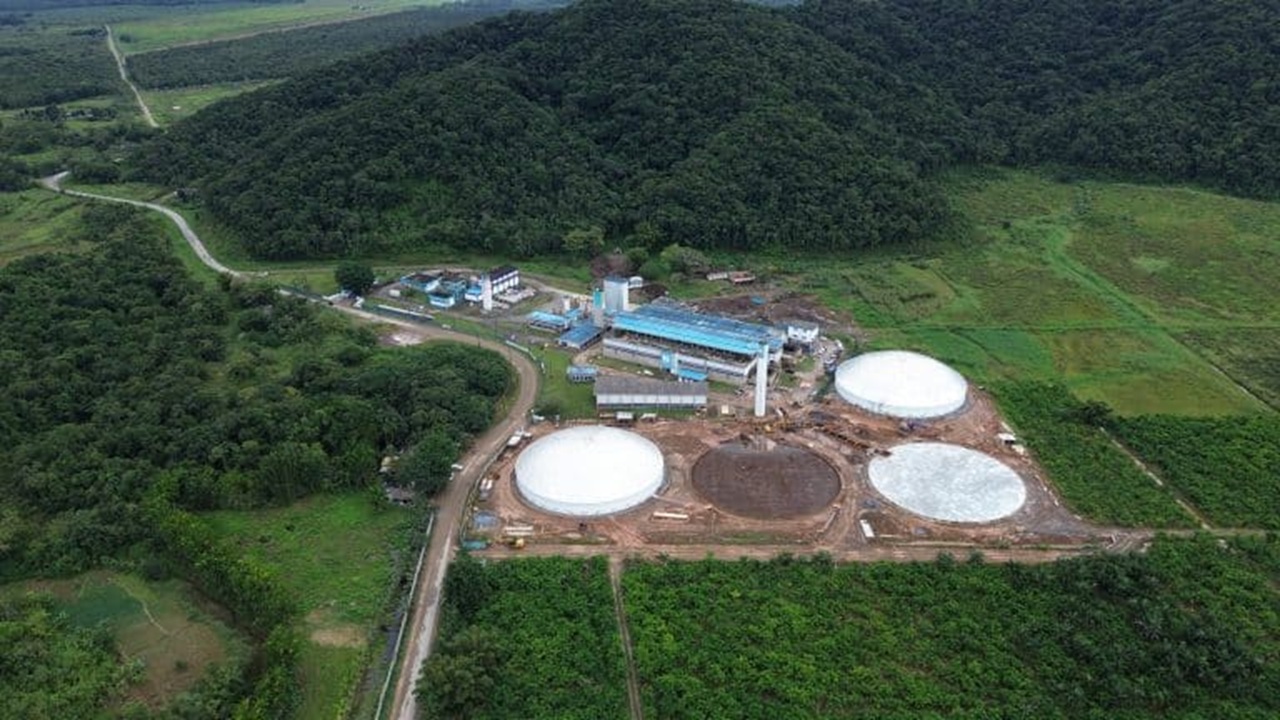
The collected water undergoes desalination, mainly through reverse osmosis, a process used to remove salts and achieve drinking water standards.
After this stage, the resource ceases to be just treated seawater and enters the national distribution network.
According to the Saudi Water Authority, the Saudi water sector is organized to ensure supply security, operational efficiency, and sustainable management. In this model, desalinated water has become one of the foundations of national supply.
Riyadh shows why seawater has become strategic
The case of Riyadh helps explain the scale of the challenge. The Saudi capital is about 400 kilometers from the nearest coast and houses more than 8 million inhabitants, in a region without permanent rivers.
The pressure on fossil aquifers also made it necessary to increase water production from the ocean.
For this reason, desalination has ceased to be just a coastal solution and has begun to sustain entire cities in arid areas.
The current structure comprises about 31 desalination plants, with an approximate daily capacity of 9.4 million cubic meters.
This volume shows the scale of the system needed to transform the sea into a continuous supply source.
Seawater travels 14,217 kilometers of pipelines
After being treated, the water enters an underground transmission network of about 14,217 kilometers.
This network delivers the resource to cities, industrial hubs, and inland areas that would not have sufficient supply with local sources alone.
The main pipelines can have a diameter of 2.25 meters, allowing for the continuous transport of large flows.
The structure uses high-strength steel, designed to withstand hydraulic pressure and long distances.
The system also needs to withstand extreme heat and corrosion risk. Therefore, the pipelines are coated with anti-corrosive material and installed underground, a measure that helps protect them from temperatures above 50°C.

Pumping overcomes mountains between the coast and the interior
The transport of desalinated water does not rely solely on pipelines. In areas like Taif, the route encounters the Sarawat Mountains, with peaks close to 3,000 meters in altitude between the coast and the inhabited interior.
To overcome this terrain, the system includes a pipeline tunnel about 12.5 kilometers long, excavated in granite.
The operation also includes 47 pumping stations, responsible for pushing the water through elevated sections and long underground corridors.
These structures show that supply involves more than producing potable water. It is necessary to transport the resource over great distances, control pressure, overcome elevation changes, and maintain operation in a desert environment.
Brine requires control when returned to the sea
Desalination also generates brine, a byproduct with a high concentration of salts. This material requires planning because direct and poorly distributed disposal can affect reefs, coastal fauna, and the local salinity balance.
In the Saudi operation, brine management includes gradual return to the sea, using a dedicated pipeline network to separate the waste from treated water, and coastal monitoring to reduce risks in sensitive areas.
The Saudi system shows how the ocean has come to function as survival infrastructure in arid regions.
In the desert, seawater depends on technology, energy, engineering, and environmental control to reach the cities.
This article was prepared based on information from the Saudi Water Authority and the provided base material, with data, numbers, and statements preserved as per the consulted material.




Be the first to react!