Portuguese
  Spanish


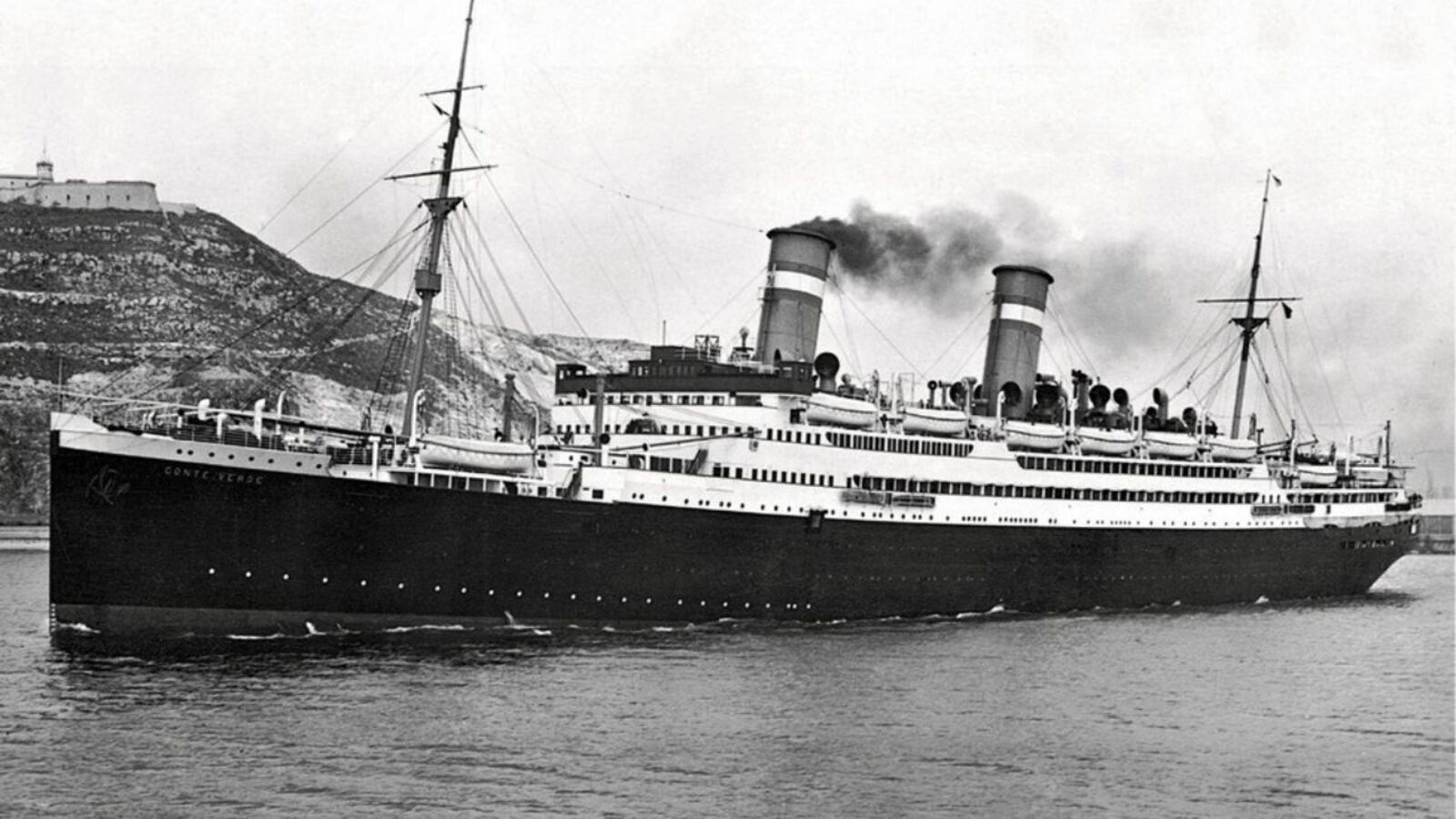

Before international flights became routine, Brazil and other teams arrived at the first World Cup on a transatlantic journey marked by stopovers, improvised training sessions, and arrival in Montevideo
The first edition of the World Cup, held in Uruguay in 1930, began long before the ball started rolling. Without the ease of international flights, most delegations had to cross the Atlantic Ocean by ship. The luxurious Conte Verde transported four teams, FIFA officials, President Jules Rimet, the competition trophy, and, days later, the Brazilian delegation to the tournament that made football history.


How the Conte Verde gathered teams heading to the Cup
The journey began on June 20, 1930, when the transatlantic Conte Verde left the port of Genoa, Italy. Initially, only the Romanian team was on board.
Along the way, the ship made new stops to pick up other delegations. In Villefranche-sur-Mer, France, the French players boarded, along with referees, FIFA officials, the then-president of the organization, Jules Rimet, and the trophy bearing his name.
-
Brazilian Scientist Wins $100,000 for Decoding Bird Songs That Convey Identity and Social Information

-
Ancient Burial Site Uncovered in Brazil: 11,000-Year-Old Artifacts Found Beneath 300-Ton Rock
-
18-Year-Old Student Designs Modular Microhouse from Fiberglass and PET to Combat Homelessness in Brazil, Plans to Live in Prototype for a Year to Demonstrate Quick Assembly

-
The Frenchman Who Brought the World Cup to Life: Overcoming Resistance and Crossing the Atlantic with the Trophy to Create Football’s Biggest Tournament


Next, in Barcelona, Spain, it was the turn of the Belgian team to join the journey. As air crossings between Europe and America were still rare and very expensive, sharing the same transport became the alternative for different World Cup participants.
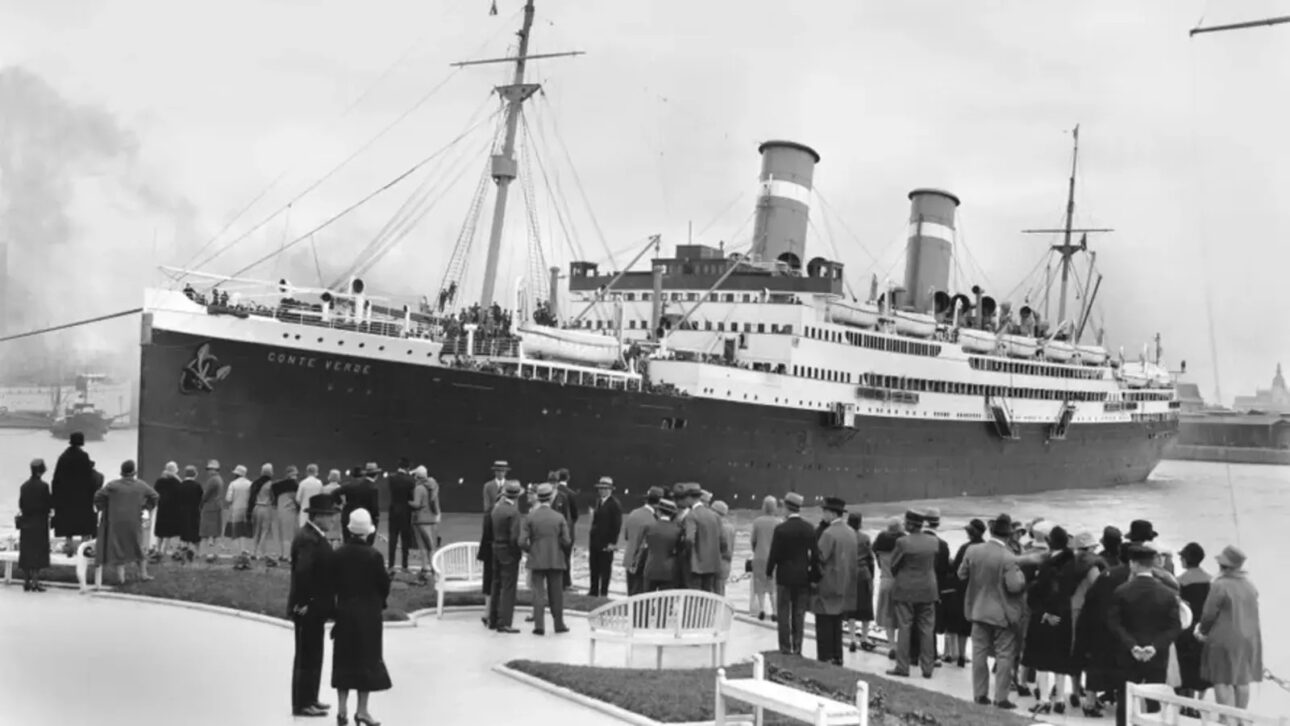
Brazil boarded in Rio after crossing the Atlantic
After stopovers on Portuguese and Spanish islands for refueling, the Conte Verde crossed the Atlantic for seven consecutive days until reaching Rio de Janeiro.
It was in the then Brazilian capital that the Brazilian delegation boarded to continue the journey to Montevideo, Uruguay, according to records cited by the newspaper O Globo.
In total, the vessel sailed for about two weeks before docking in the Uruguayan capital on July 4, 1930, just nine days before the official start of the first World Cup.
Improvised training marked the players’ preparation
The long crossing brought an unusual challenge for the athletes. During the entire period on the ship, the players did not have access to a soccer field.
To maintain physical preparation, training took place on the ship’s deck. Photographs from the time show athletes running between chairs used as obstacles, adapting exercises to the available space and the constant sway caused by the sea.
No team from the ship advanced past the first phase
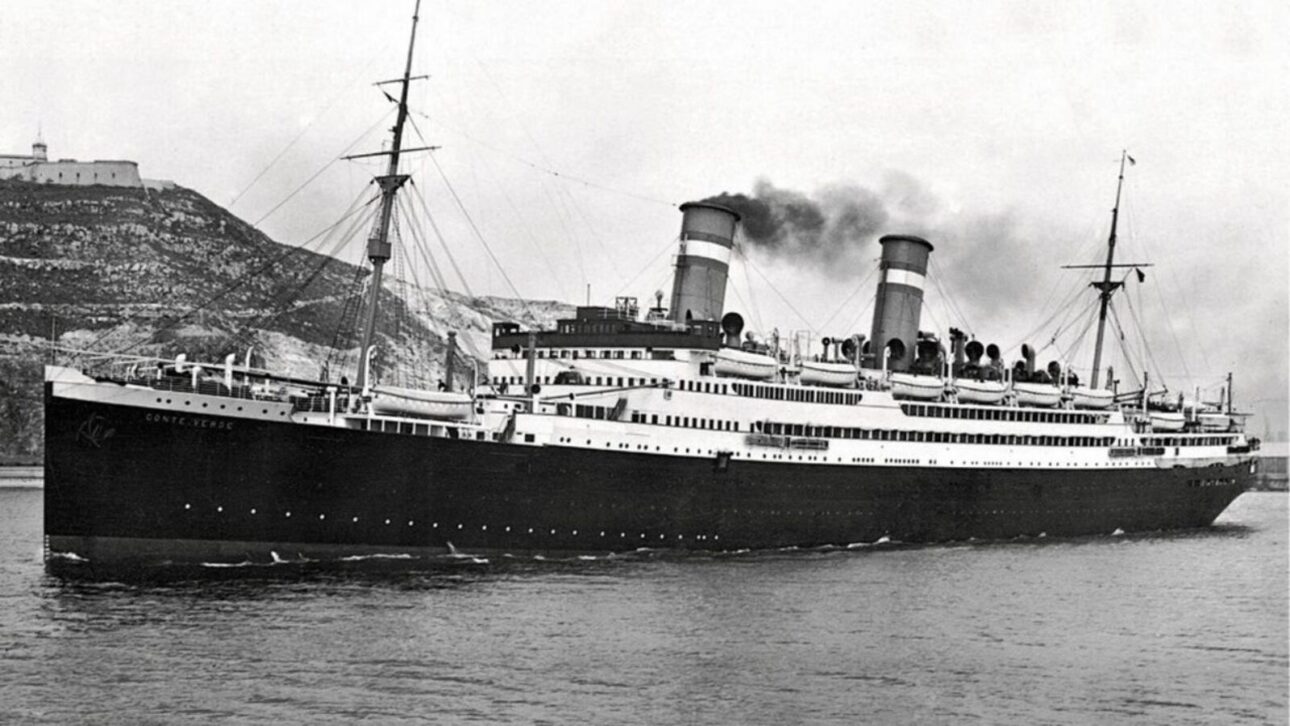
Despite the expectations created during the journey, none of the four teams transported by the Conte Verde managed to advance in the competition.
Brazil debuted with a defeat to Yugoslavia and only won against Bolivia, ending its participation still in the initial phase.
At the end of the tournament, Uruguay, the host country, won the first world title by defeating Argentina 4-2 in the 1930 World Cup final.
This article was prepared based on information from O Globo, with data, numbers, and statements preserved as per the consulted material.