Portuguese
  Spanish



Plan foresees health and climate centers, heat alerts up to five days in advance, and reinforcement of the SUS National Force for climate emergencies
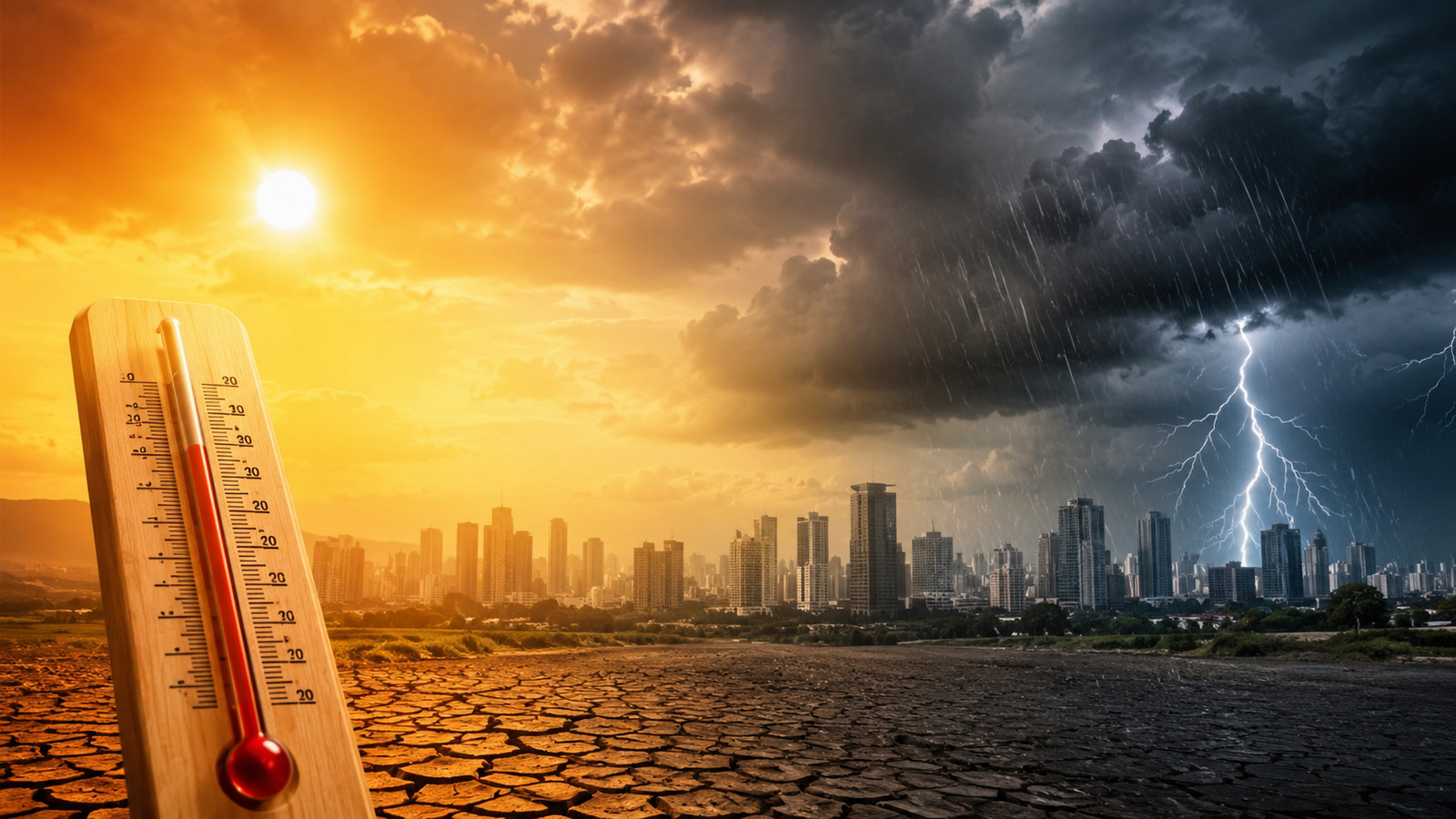
The Ministry of Health announced this Tuesday a plan of R$ 9.8 billion to prepare the SUS in light of the forecast of extreme heat, storms, and the possible arrival of a “Super El Niño.” The measures aim to anticipate risks, issue alerts, and strengthen the protection of the population, especially in more vulnerable areas.


Plan foresees R$ 9.8 billion for climate response
The package was structured to reduce the impacts of climate change on public health. The proposal includes surveillance, prevention, and response actions to emergencies associated with intense heat, storms, drought, and fires.
The measure targets effects that may affect Brazilian regions differently. While the South may face high-magnitude storms, the Midwest and North may suffer from more intense drought and increased devastation caused by fires.
-
Brazilian Researchers Develop Cost-Effective Method for Key Component of Green Hydrogen Electrolyzers, Enhancing Energy Efficiency and Equipment Longevity

-
1,700-Year-Old Roman Mosaic Discovered by Farmer Planting Cherry Trees in Turkey

-
Polyformer Machine Converts PET Bottles into 3D Printer Filament, Reducing Costs and Expanding to Over 50 Countries
-
Realme C100x Launches in Brazil: Features 8,000 mAh Battery, Military Durability, 120 Hz Display, and Android 16




SUS will have integrated health and climate centers
Among the planned actions is the creation of eight units of the Integrated Health and Climate Centers. They will be distributed across the five regions of the country.
The first center is scheduled to open on Thursday, in Bahia. The structure is expected to support the integration between climate information and health responses, focusing on preparing the public system.

Panel will alert about excess heat
Another front of the plan is the National Excess Heat Panel. The tool was developed to support surveillance, prevention, and response actions in the field.
The system will be able to issue alerts up to five days in advance. The intention is to allow health teams and local managers to anticipate risk situations.
Elderly will have specific protocol
The Ministry of Health is also working on guidelines aimed at the elderly, the group most vulnerable to the effects of high temperatures.
The protocol includes offering water even when there is no thirst and encouraging ventilation in homes.
The expansion of the National Force of SUS is also among the priorities, aiming to ensure a faster response in climate emergencies.
This article was prepared based on the information provided in the source material, with data, numbers, and statements preserved as per the consulted material.