Portuguese
  Spanish


Botucatu brings together Brazilian folklore, preserved nature, renowned health, and quality of life in the São Paulo countryside
Botucatu, in the interior of São Paulo, is known as the National Capital of Saci and also as the city of “good airs”.
The name originates from the Tupi Ybytu-katu, an expression associated with the favorable winds of the region. Today, this identity appears in the local culture, in the landscape of the Cuesta Paulista, and in the tranquil routine of the municipality.
Located about 235 km from São Paulo’s capital, the city can be accessed in approximately three hours via the Castelo Branco or Marechal Rondon highways.
-
Animal Thought Extinct for 130 Years Reappears in Brazil, Exciting Scientists with Rare Comeback

-
German Sailor Found Mummified on His Boat in the Philippines, Leaving Scientists Puzzled by an Unbelievable Detail
-
Brazilian Couple Trades Motorhome for “Houseboat” Adventure on Historic Welsh Canal with Unique Challenges
-
Neon Blue Glow in Brazilian Waters Captivates Locals and Goes Viral, Unveiling Rare “Sea Fire” Phenomenon


National Capital of Saci became a cultural symbol of Botucatu
Firstly, Botucatu transformed folklore into part of its own identity. The city hosts the National Association of Saci Creators, linked to the preservation of the legend since the 1990s.
The initiative is associated with the engineer José Oswaldo Guimarães, mentioned in the entity’s promotion as one of the names linked to the defense of the folkloric figure.
Thus, the red-capped character ceased to be just a popular story. In Botucatu, the saci became a cultural, tourist, and emotional symbol.
Moreover, the Day of Saci is celebrated on October 31. In São Paulo, the date was established by State Law 11.669, of January 13, 2004, according to the São Paulo Legislative Assembly.
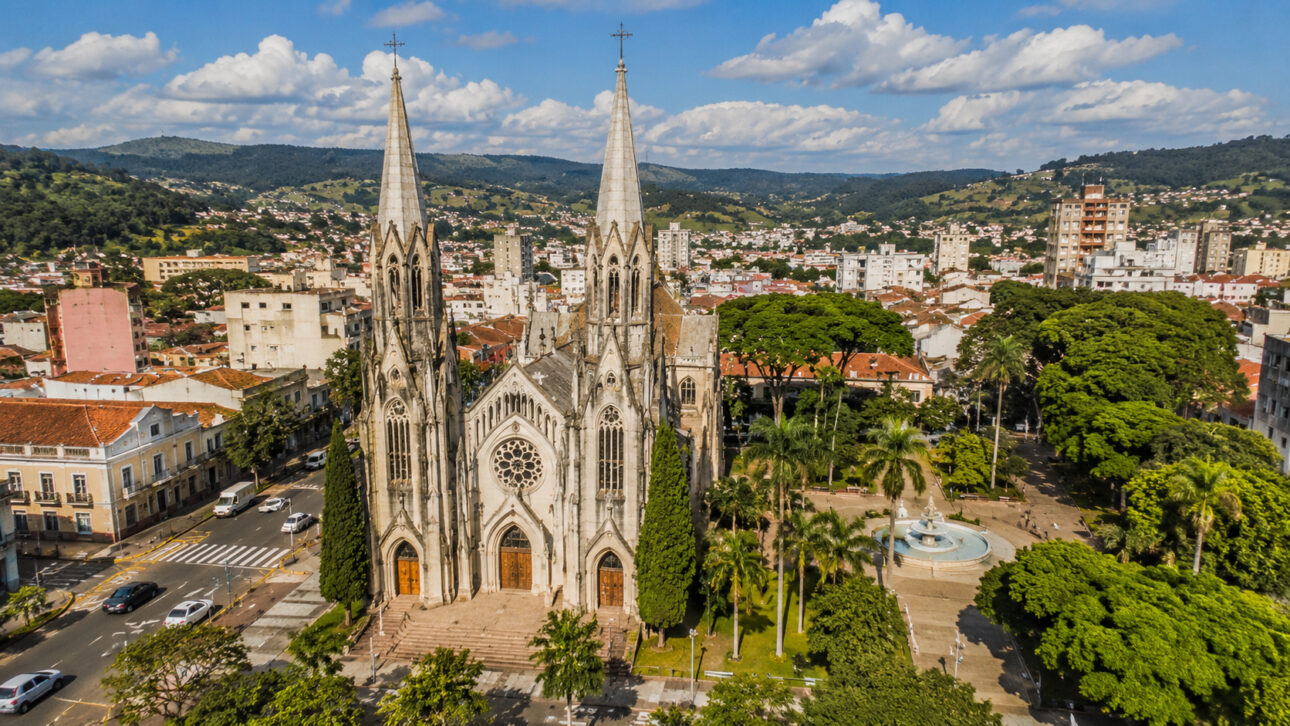
Good airs, altitude, and quality of life in the Cuesta Paulista
Next, the geography helps explain another famous nickname of the city. Botucatu is in an elevated area of the Cuesta Paulista, with an altitude above 800 meters.
Therefore, the winds are frequent, summer nights tend to be cooler, and winter can record cold early mornings.
The municipality also presents a HDI of 0.800, classified as very high, according to data from the IBGE and the UNDP.
In addition, the presence of Unesp boosts the local economy and attracts students of medicine, veterinary, agronomy, and other fields.
Reference healthcare strengthens the city in the São Paulo countryside
Another important highlight is the medical structure. The Hospital das Clínicas of the Botucatu Medical School, affiliated with Unesp, is one of the main public references in the region.
According to the São Paulo State Health Department, the complex serves about 68 municipalities and has approximately 500 beds.
This way, residents of the region can access high-complexity treatments without necessarily relying on the São Paulo capital.

Nature, viewpoints, and waterfalls attract visitors
Besides urban tranquility, Botucatu also draws attention for its nature. The region gathers viewpoints, trails, green areas, and waterfalls close to the center.
Among the main tourist spots are:
- Morro de Rubião Júnior, known for its wide view of the region;
- Ecoparque Pedra do Índio, famous for the Cuesta view;
- Sleeping Giant, a natural formation seen from a distance;
- Marta Waterfall, surrounded by forest and trails;
- Municipal Botanical Garden Inocêncio Figueiredo, with lakes and regional flora.
Demétria neighborhood preserves organic agriculture and community life
Finally, about 10 km from the center, the Demétria Neighborhood reinforces another remarkable side of Botucatu.
The location has been associated with biodynamic agriculture in Brazil since the 1970s. Additionally, it houses the Aitiara School, linked to Waldorf pedagogy.
The monthly cultural fair brings together organic producers, cafes, studios, and food made without pesticides.
When to Visit Botucatu
The best time for trails and viewpoints is usually between April and September, a drier and milder period.
Summer tends to be hotter and rainier. Even so, the altitude helps to keep the nights more pleasant.
Botucatu is worth visiting for its good winds and unique identity
Botucatu brings together Brazilian folklore, fresh air, renowned health, preserved nature, and quality of life in a city close to São Paulo.
For this reason, the National Capital of Saci stands out as a curious, peaceful, and full of personality destination in the interior of São Paulo.
Did you already know this city where the saci became a local pride and the good winds are part of the landscape?