Portuguese
  Spanish


Blue glow at Requenguela Beach was caused by dinoflagellate microalgae and rekindled interest in marine bioluminescence.
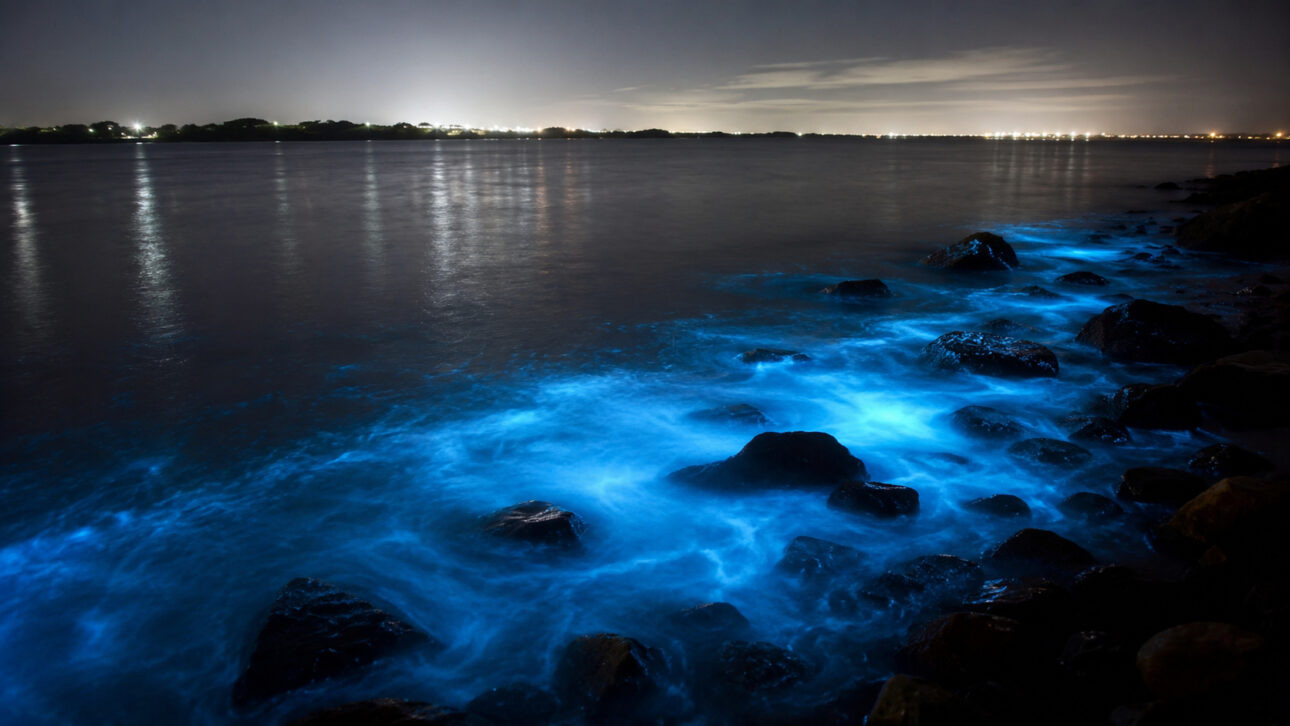
A natural phenomenon caught attention on the eastern coast of Ceará and transformed the tranquil Requenguela Beach in Icapuí into a spectacle scene.
At night, the sea gained an intense glow in neon blue shade, surprising residents, tourists, and fishermen in the region.
The event was recorded on June 28, 2026 by student Estrela Guadalupe da Silva, aged 20.
-
Forgotten Map Leads Diver to Shipwreck with Gold, Rare Jewels, and Secrets Hidden for Nearly 350 Years

-
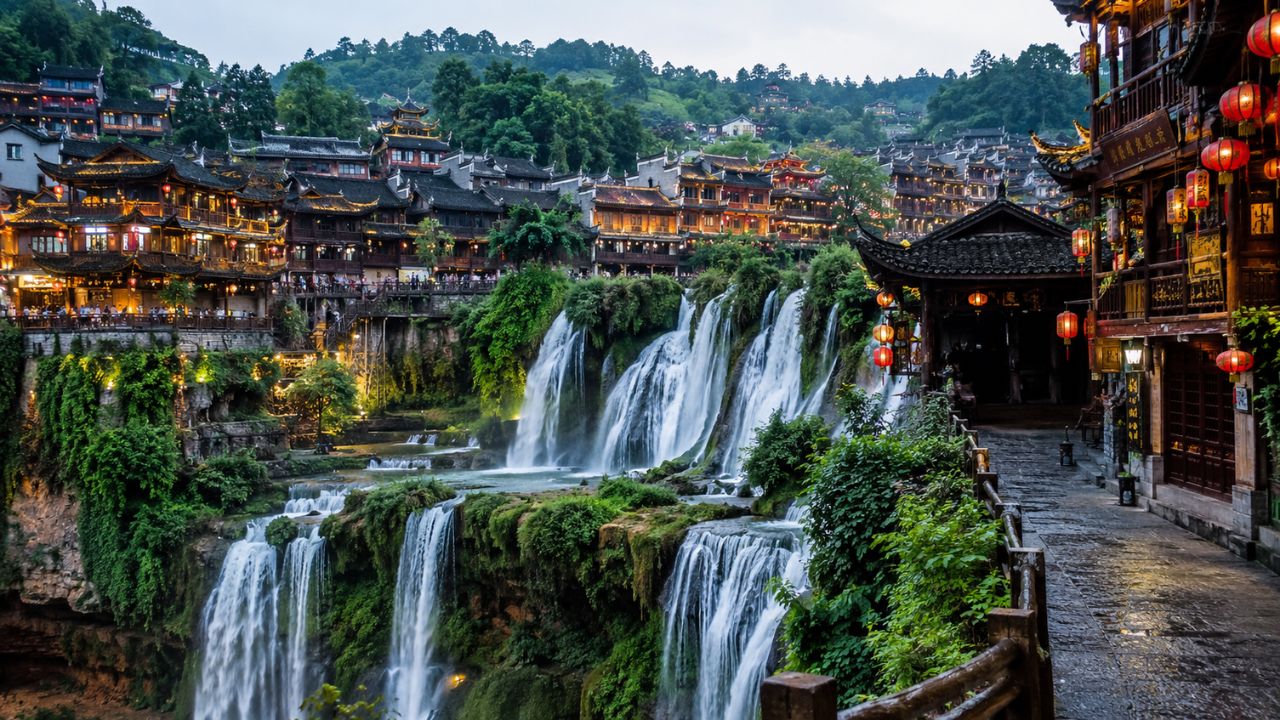
Furong: The 2,000-Year-Old Chinese City Built on a 60-Meter Waterfall Becomes a Global Tourist Phenomenon

-
YouTube Inventor Dubbed “Real-Life Tony Stark” Builds Robotic Legs for Father’s Day, Creating a Wheelchair That Conquers Stairs and Rough Terrain
-
Brazilian Scrap Dealer Processes 3,000 Tons of Ferrous Scrap Monthly, Paying $0.09 to $0.70 per Pound, Reveals Why a Hidden Cylinder Costs 1,500 kg Discount




Soon after, the images circulated on social media and went viral, sparking curiosity about the so-called marine bioluminescence.
In local tradition, the phenomenon is known by old fishermen as “fire in the sea”.
Science explains blue glow in the sea
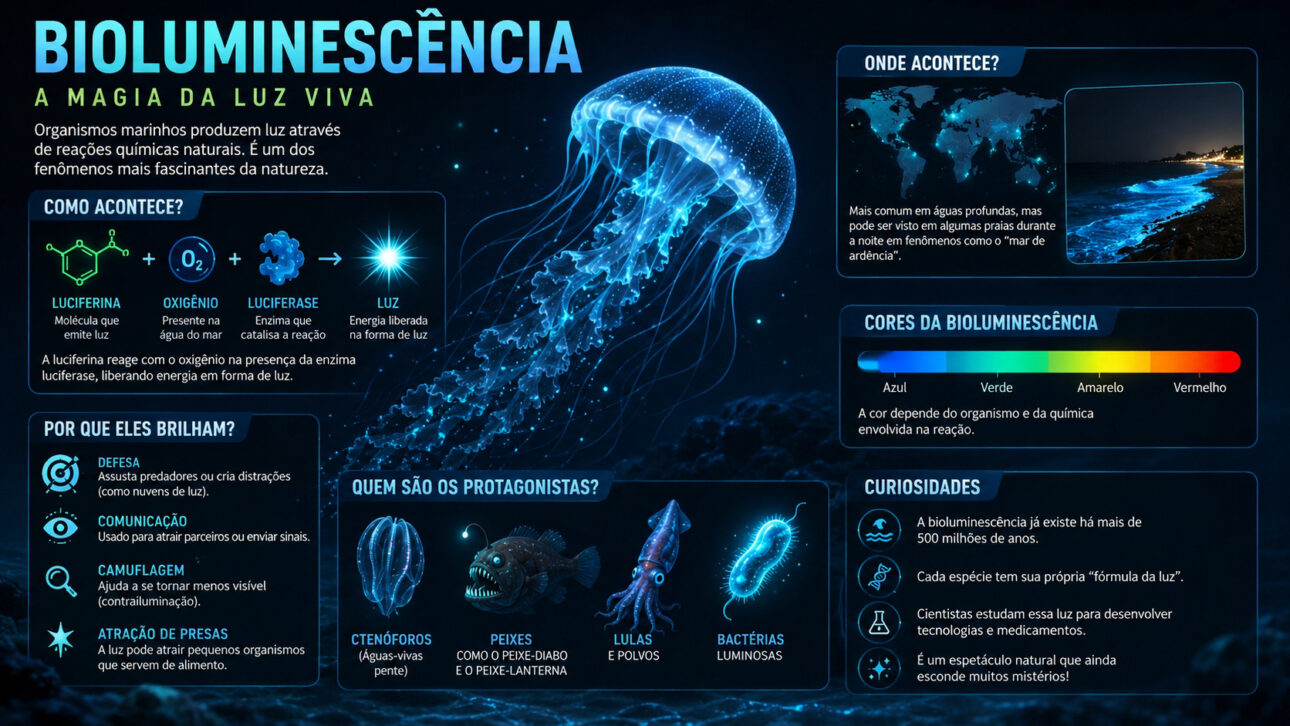
According to scientific explanations, the glow occurs due to bioluminescence, the ability of some living beings to emit their own light.
In the marine environment, this effect is usually caused by the concentration of microscopic microorganisms.
Among them are dinoflagellate microalgae, unicellular organisms that are part of the phytoplankton.
According to researchers, the increase of organic matter and the warming of the waters favor the multiplication of these organisms.
This sudden growth is called microalgae bloom.
Chemical reaction generates cold light
The species Noctiluca scintillans is pointed out by scientists as one of those responsible for similar luminous effects in the ocean.
The blue glow occurs due to a chemical reaction involving luciferin, oxygen, and the enzyme luciferase.
This combination releases energy in the form of visible light.
Moreover, the process is considered an emission of cold light, as it generates luminosity without spreading heat in the environment.
Waves and movements activate the phenomenon
Despite the strong coloration, the glow does not appear constantly.
To be noticed, the phenomenon needs some physical stimulus in the water.
Therefore, waves, footsteps on wet sand, and objects thrown into the sea can activate the blue glow.
This detail explains why many visitors try to provoke the effect during the early hours.
Tourism grows and causes concern
The video’s impact changed the routine of Icapuí, a municipality with 21,433 inhabitants, according to the 2022 IBGE Census.
As a result, more people began visiting Requenguela Beach in search of the glowing sea.
However, local fishermen report discomfort with some tourists’ behavior.
According to residents, the constant throwing of stones into the water disrupts night fishing and hinders the use of trawl nets.
Phenomenon enchants but requires caution
Although the glow is visually impressive, experts warn of the need for environmental care.
So far, preliminary analyses indicate that contact with the microorganisms seen in Icapuí does not present apparent toxicity.
Even so, the exact species present on the beach has not been confirmed by laboratory analysis.
Therefore, marine science institutes recommend caution to visitors.
Bloom can affect the ecosystem
The intense multiplication of microalgae can also generate environmental impacts.
In large concentrations, these organisms can reduce the passage of sunlight in the water.
Additionally, they can decrease the levels of available oxygen, harming marine fauna.
For this reason, researchers advocate responsible observation and respect for the coastal environment.
Ancient records reinforce local tradition
Native residents claim that the fire in the sea has appeared in the region for several decades.
More recent records document local bioluminescence since 2008.
The first clearer images were obtained in 2022, using long exposure photographic techniques.
Similar phenomena also occur intermittently in other parts of Brazil.
Among them are Ilha do Mel and Ilha do Cardoso.
Preservation should guide visitation
Experts emphasize that tourism can enhance the region, as long as it occurs sustainably.
Conscious visitation prevents damage to the habitat, protects fishing activities, and preserves the natural phenomenon.
Thus, the blue glow of the sea can continue to enchant visitors without compromising the routine of the local community.
Sources consulted: Tempo.com, Correio da Amazônia, Correio do Povo de Alagoas, IBGE, NOAA Ocean Exploration, University of Aveiro, and Bioicos.
What do you think should be the priority in beaches with rare natural phenomena: encouraging tourism to boost the local economy or limiting visitation to protect the environment and the routine of residents? Leave your opinion!