Portuguese
  Spanish


Juliano Prado and Marcos Luporini sold 15,000 DVDs from an e-commerce set up in their backyard before the brand became a phenomenon, and Bromélia Produções celebrates two decades with the first 3D film of the character and an exclusive area at Beto Carrero World
In December 2026, Bromélia Produções celebrates 20 years since the first Galinha Pintadinha video on the internet, and Pequenas Empresas & Grandes Negócios reported this Tuesday, July 8, how the brand got there. According to PEGN, the company founded by administrator and graphic artist Juliano Prado, 55, and musician Marcos Luporini, 56, turned an animation file accidentally hosted on the internet into a giant business.
The current numbers show the scale of the phenomenon: there are more than 65 million subscribers on digital channels and over 15 million views per day, and according to PEGN, Forbes reported in 2021 an annual turnover of R$ 3.5 billion, a number the company does not update. The blue chicken that entertains Brazilian children is, behind the scenes, one of the most valuable brands in national entertainment.
The upload out of laziness to travel that created an empire
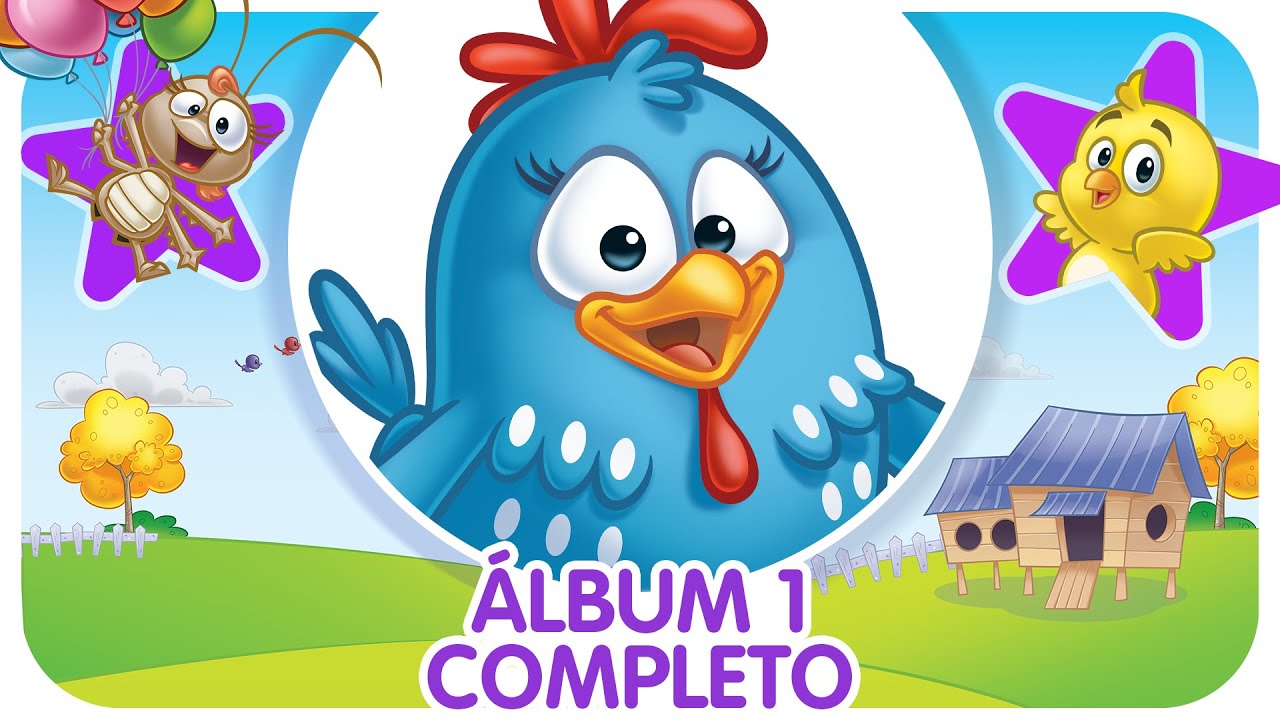
The origin of the brand is a logistics accident. The journey began in Campinas, when the partners decided to combine animated clips with Brazilian folk songs and, in 2006, to present the project to investors in São Paulo without having to travel to deliver a physical disc, Prado uploaded the video to YouTube, which at the time was still an independent and little-known platform, according to PEGN. The meeting did not result in any contract with television channels.
-
Fifth-grader’s Project Turns Used Cooking Oil into Over 160,000 Gallons of Biodiesel, Cuts CO₂ Emissions, and Inspires Law in Rhode Island

-
Started with $80 at 17 Selling Used Clothes, Now Aiming for $18 Million with a Network of 50 Thrift Stores

-
17-Year-Old Develops Free App to Prevent Hot Car Deaths, Launches National Campaign in the U.S.
-
Man Transforms Childhood Building in Detroit into Community Bookstore, Draws 400 to Opening



The public link, however, did what the executives did not: attracted the final audience. With the return of users, the founders invested their own savings to complete 13 music videos and, as YouTube did not monetize videos at the time, sold 15,000 physical DVDs through an e-commerce operated in Prado’s backyard, according to PEGN. The commercial consolidation came later, with distribution contracts with Europa Filmes and, later, with Som Livre.
The decision that saved the business: never sell the rights
The most important move in the company’s history was what it refused to do. Unlike the traditional audiovisual model of the time, which relied on TV channel financing in exchange for broadcasting rights, Bromélia chose to fund the development of its own animations, according to PEGN. The content was born free of constraints.
Prado himself explains the calculation: “The most important initial decision was to maintain production independence. Since the material was made internally with controlled costs, we were able to fund the projects and had the freedom to negotiate different broadcasts once completed. If we had financing from a specific channel, the content would be tied to it,” he told PEGN. This autonomy allowed the brand to become multi-platform, distributing the catalog through YouTube, Netflix, pay TV channels, and audio streaming platforms.
Half of the revenue no longer comes from videos
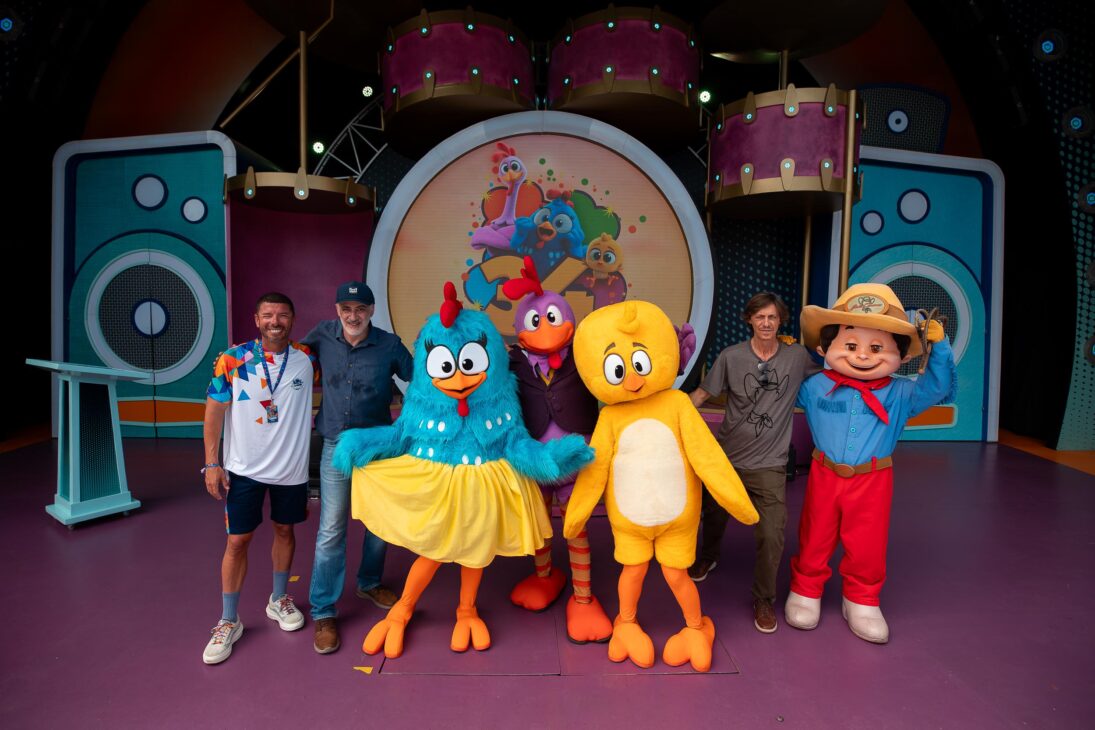
Today’s business model surprises those who only know the chicken from the screen. About 50% of the revenue comes from audiovisual, with the monetization of content on platforms, and the other 50% is generated by brand licensing, which yields royalties from the sale of products such as toys, diapers, food, and hygiene items, according to PEGN. The chicken has become a label on pharmacy shelves and toy stores.
The turnaround happened around 2010, when the partners noticed manufacturers’ interest at toy fairs and hired a licensing agency to negotiate with the industry. In 2014, the brand entered the international licensing ranking, registering a peak of a thousand different products with its visual identity, and today maintains about 300 licensed items on the market, according to PEGN. It was this second leg that supported the cash flow when, in 2018, YouTube restricted advertising on children’s videos and shook the market for producers of the genre.
Twenty employees for a billion-dollar giant
The size of the structure is the most counterintuitive fact. Even with all the brand’s reach, Bromélia Produções maintains an internal team of only 20 employees, outsourcing product contract management to the agency Redibra and theatrical production to partner producers, in an ecosystem with about 100 indirect professionals, according to PEGN. It is one of the highest revenues per employee in Brazilian entertainment.
And the agenda for the 20th anniversary is the most ambitious in the company’s history. For the last quarter of 2026, the company is preparing the launch of the character’s first feature film, developed over four years in 3D computer graphics with an adventure narrative, and the opening, in October, of an exclusive licensed area at Beto Carrero World, according to PEGN. According to Exame, the Santa Catarina park is investing R$ 50 million in the character’s themed area.
The second generation of fans has arrived
The reason the brand doesn’t age lies in family mathematics. Prado sums up the cycle to PEGN: “Children who listened to the songs 20 years ago are now 24 years old and are introducing the character to their own children”. The audience that grew up with the blue chicken has become the parents who press play for the next generation.
According to PEGN, Prado states that investment in physical experiences, like the park, responds to a demand from families for activities outside screens. The character that was born from an impromptu upload now wants to embrace the audience in the real world as well.
The lesson of 20 years: chance favors those who own their content
The story of Galinha Pintadinha combines luck and decision in the right measure. The 2006 upload was chance, but everything that followed was choice: funding the production with their own money, selling DVDs from the backyard when there was no monetization, keeping the rights in-house, and turning the brand into a shelf product when platforms fluctuated. Every market turn found the company in control of its own destiny.
Twenty years later, the blue chicken continues to play on 15 million screens a day and is preparing for cinema and the park.
Tell us in the comments: did your child, nephew, or grandchild grow up listening to Galinha Pintadinha, and did you imagine that behind it was a company with only 20 employees?