Portuguese
  Spanish


Edgard Corona, chemical engineer who started entrepreneurship at 19, founded Bio Ritmo, saw in the “low cost” gym the chance to democratize training in Brazil and led the group to the first IPO of gyms on the Brazilian stock exchange in July 2021
Training in gyms became a mass routine in Brazil, and much of this shift has the mark of a chemical engineer from São Paulo. According to Terra, Edgard Corona built a network in Smart Fit that earns R$ 5 billion, resulting from a simple thesis: a good gym doesn’t need to be expensive.
The scale has no parallel on the continent: the network leads Latin America, is present in 14 countries, and reached the mark of 5 million active students in June 2024, according to Suno. The most curious detail is that the empire was born from a neighborhood gym opened by someone who, at the time, knew nothing about the field.
The engineer who started at 19 and opened a gym without knowing the sector
Corona’s trajectory did not follow a straight line. Graduated in chemical engineering from FAAP in 1979, he started entrepreneurship at 19, still in the 2nd year of college, and only in 1996 opened the first unit of Bio Ritmo, in Santo Amaro, in the south zone of São Paulo, without any knowledge of the fitness sector, according to Suno. The gym succeeded, gained prominence, and became a network in the capital of São Paulo.
-
Ninja’s New Combi Multicooker Revolutionizes Cooking with Superheated Steam and Air Frying, Offering 14 Functions and Full Meals in 15 Minutes

-
Brazilian Multinational WEG and Graal Network Install 47 Fast Chargers on Major Highways, Enhancing Electric Vehicle Infrastructure

-
From Slicing Cold Cuts at 11 to Leading Tech Firm Verity: Alexandro Barsi’s Journey to Projected $28 Million Revenue by 2028

-
Scientists Discover Super-Earth Just 25 Light-Years Away That Could Support Life Beyond Our Solar System: Meet GJ 3378b


Bio Ritmo was a high-standard business, with a compatible monthly fee and a restricted audience, the classic format of the sector at the time. It was by running this operation for over a decade that Corona realized the ceiling of the model: premium gyms serve well those who can pay, but leave out the vast majority of Brazilians who would like to train.
The insight of “low cost”: charge 20% and serve 10 times more people
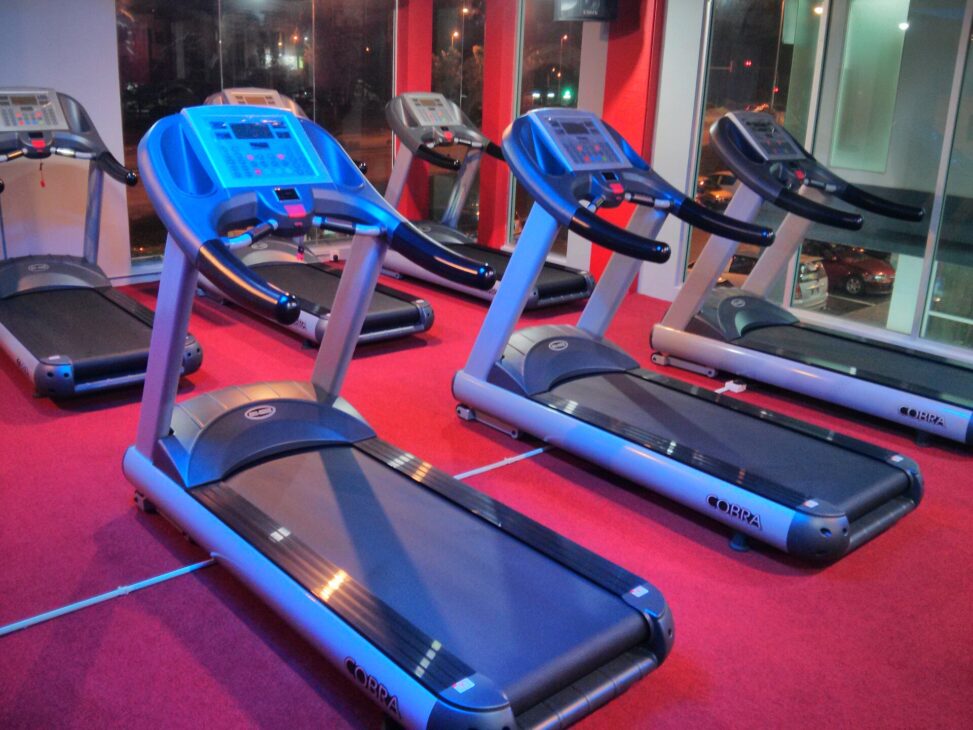
The turning point came between 2008 and 2009. After consolidating Bio Ritmo and studying models in various countries, the group brought to Brazil the concept of low cost with high value, opening the first Smart Fit units with monthly fees equivalent to about 20% of the price of high-standard gyms, according to Suno. The central idea was to democratize quality training, with good equipment and a streamlined structure.
The model reversed the sector’s mathematics: instead of high margins over few students, lower margins over a multitude. Without excessive classes, without superfluous services, and with standardized processes, each unit serves thousands of students at an operational cost that traditional gyms cannot imitate. The result was growth that swallowed the market.
The first gym IPO on the Brazilian stock exchange
The institutional consecration came on B3. In July 2021, Corona’s group carried out the first gym IPO on the Brazilian stock exchange, going public during the sector’s full recovery and financing the expansion that would take the brand to 14 countries, according to Suno. From a neighborhood gym to a listed company, it took 25 years.
Going public also changed the level of the game: with access to the market, the network accelerated openings, bought regional competitors, and diversified brands within the group, keeping Bio Ritmo at the top of the premium pyramid and Smart Fit as the volume locomotive. It’s the same company serving from executives to students, each at the door that fits their budget.
The 5 million students and the new Brazilian fitness culture
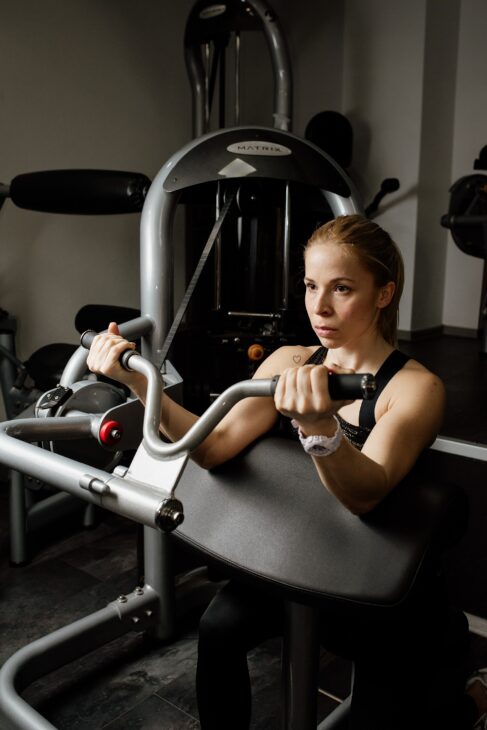
The number that best measures the phenomenon is not in the balance sheet, it’s in the locker room. The 5 million active students reached in June 2024, according to Suno, make the network one of the largest habit aggregators in the country: people who had never set foot in a gym started training because the monthly fee fit the budget. Affordable access created the habit, and the habit created a giant market.
The effect spills over to the entire sector’s economy: more students mean more physical education teachers employed, more equipment sold, more supplements, more workout clothes. The low-cost gym has become the gateway to a billion-dollar chain, and the younger generation, who choose workouts over bars, only reinforces the trend.
Why the Brazilian model became an export
Smart Fit made the rare move of taking a Brazilian business model abroad. The network spread across 14 countries, dominating Latin American markets where the equation is similar to ours: large populations, tight income, and a desire to train, the perfect scenario for high-value low-cost, according to Suno. What worked in São Paulo worked in Mexico, Colombia, and beyond.
For the sector, the lesson is the same that other segments have learned: in the Latin American mass market, those who get the entry price right and maintain perceived quality build barriers that no foreign brand can easily break. The network arrived first and at scale, and today reaps the leadership.
The lesson from the man who bet against his own business
Corona’s boldest move was to cannibalize what he already had. Owner of a successful premium network, he created a cheap model that competed with his own Bio Ritmo, betting that it was better for him to occupy the mass market himself before someone else did, and this uncomfortable decision is the reason Smart Fit exists and generates R$ 5 billion. Companies that refuse to reinvent themselves are often reinvented by the competition.
From the 2nd year of college to the top of Latin American fitness, his story shows that understanding management can be worth more than understanding the sector.
Tell us in the comments: was it the cheap membership that brought you to the gym, or do you still think working out in Brazil is too expensive?