Portuguese
  Spanish




Project Started in 1962 Recovered Degraded Soils, Restored Biodiversity, and Ensured Permanent Environmental Protection for Île Moyenne in Seychelles
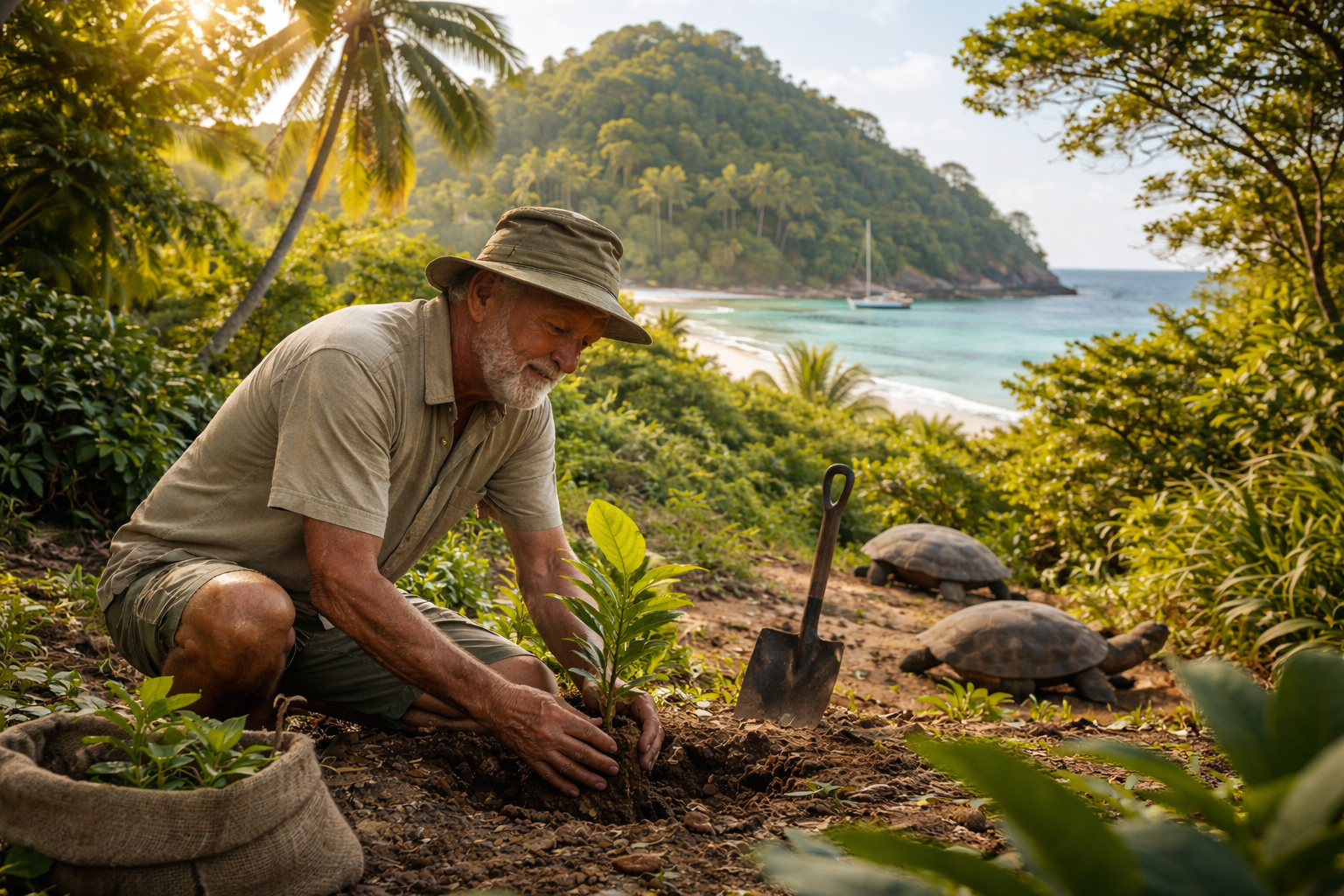
A long-term environmental initiative completely transformed an abandoned island in the Indian Ocean and gained international attention for the consistency of the results achieved. The person responsible was Brendon Grimshaw, who dedicated his life to the environmental recovery of Île Moyenne, located in the Seychelles archipelago.
In 1962, upon arriving on the island, Grimshaw found severely eroded soil, sparse vegetation, and virtually no fauna. Nevertheless, from the start, he chose a plan based on progressive reforestation, natural ecosystem recovery, and complete preservation of the territory. Thus, the strategy prioritized ecological time and gradual regeneration.

Continuous Work Recovers Soil and Forest Over the Decades
In the early years, with the support of friend René Antoine Lafortune, the Briton began a systematic planting process. Over several decades, more than 16,000 trees were planted, always with well-defined ecological criteria. This way, the project maintained technical coherence and operational continuity.
-
Indonesian Woman in Her 80s Sells Out Traditional Lupis Dessert by 9 AM Daily in Yogyakarta Since 1963

-
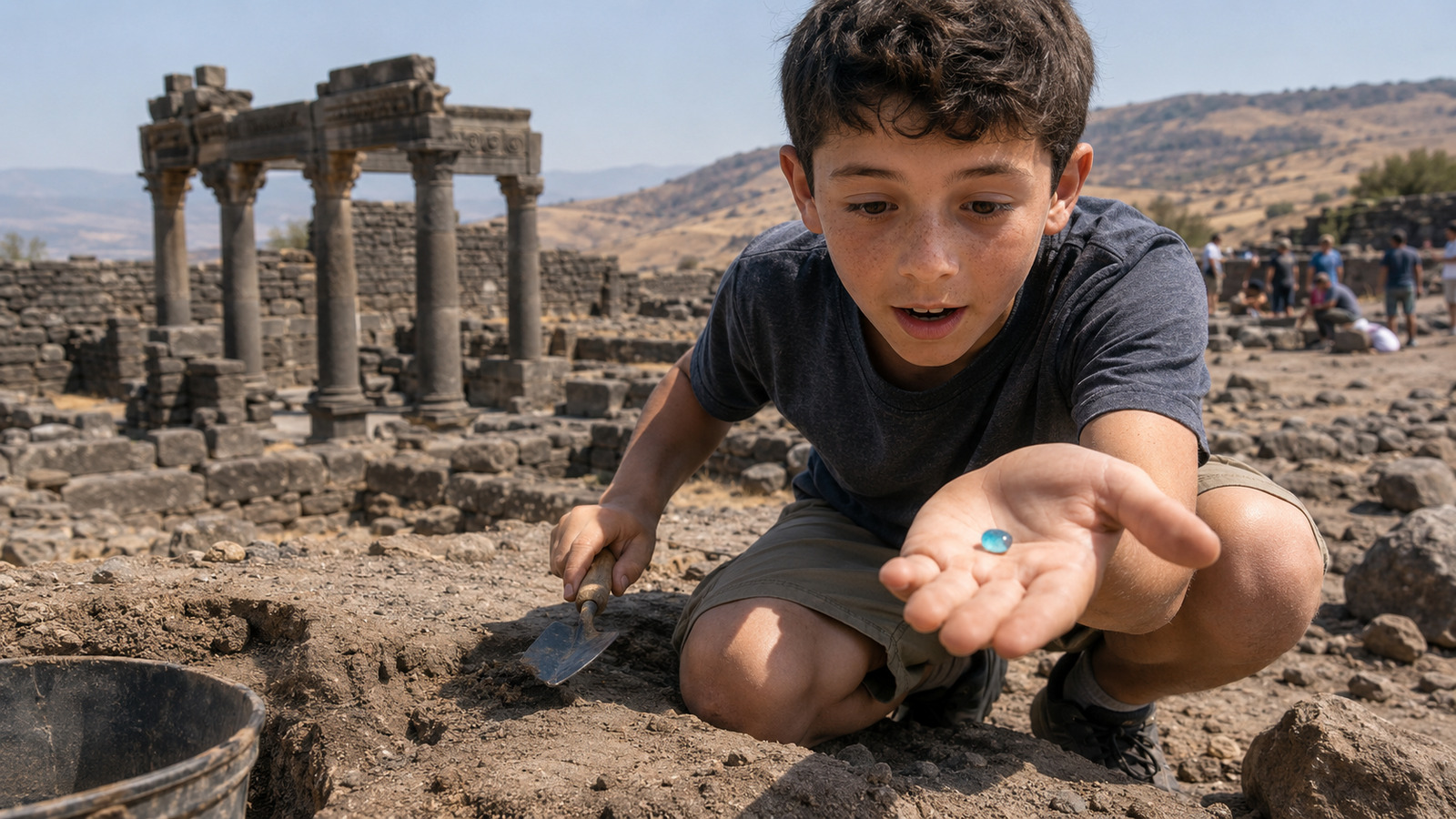
8-Year-Old Discovers 1,700-Year-Old Roman Statuette Fragment Potentially Depicting Jupiter During Routine Outing

-
Brazilian Engineer Revives Ancient Tool for Focus, Creates Supera Network with Over 100,000 Students and $37 Million Revenue

-
Father Turns Simple Idea into Digital Empire, Managing Contracts Worth Over $80 Million Annually


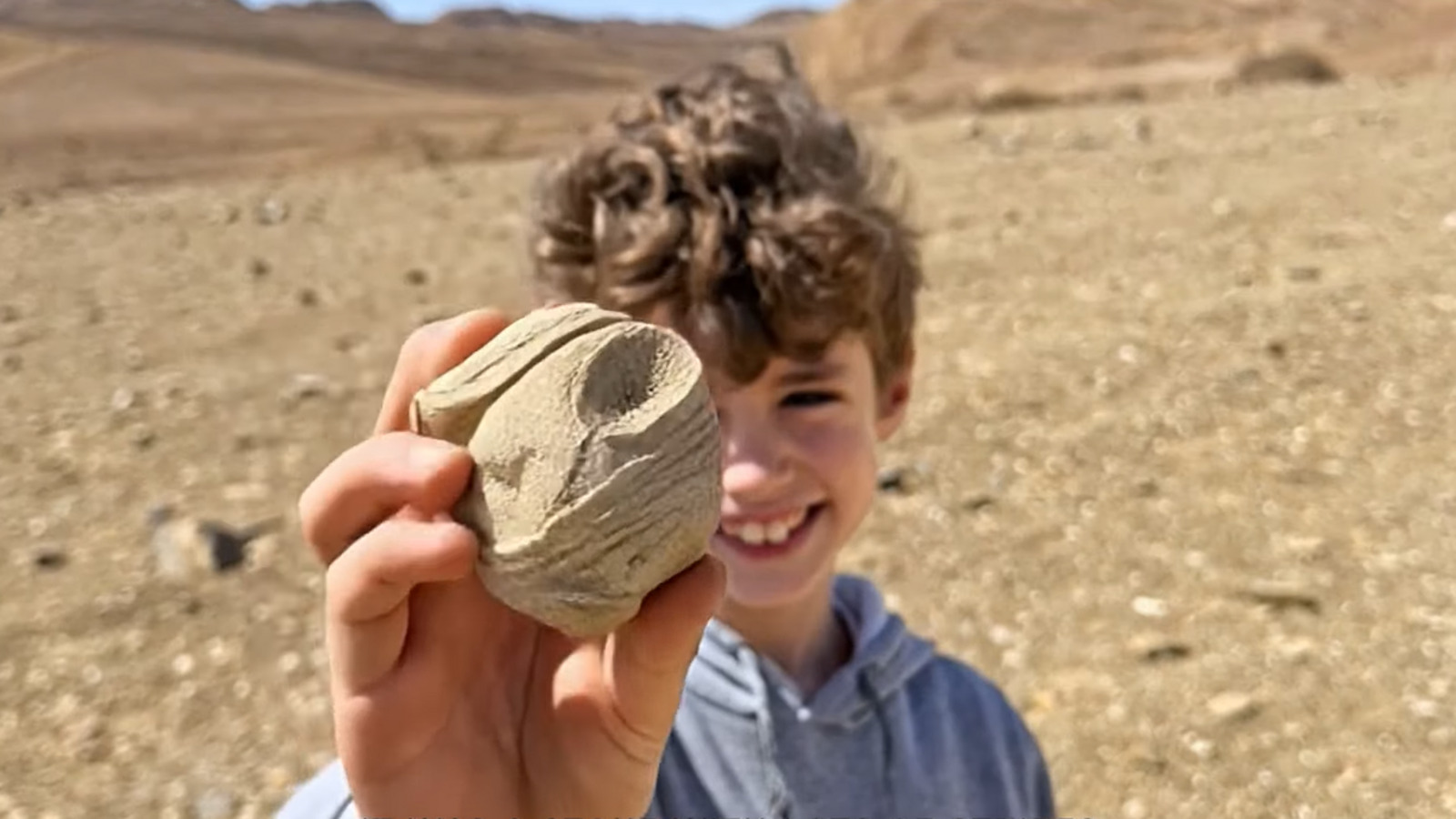


Among the species chosen were palms capable of attracting animals and plants known to restore soil fertility. Thus, gradually, the forest began to regenerate naturally, without the need for intensive artificial interventions. Consequently, the environmental balance was being restored.
Over time, the environmental effects became evident. First, the soil regained its structure, and then moisture began to balance again. Furthermore, fauna began to return, occupying areas that had previously been biologically inactive. Thus, the island ceased to be a degraded environment.
Endangered Fauna Finds Safe Refuge on the Restored Island
As the ecosystem stabilized, endangered species started to use the island as shelter, including the Seychelles giant tortoise. In this way, Île Moyenne became recognized as a protected natural refuge, and not as an opportunity for economic exploitation.
Consequently, the project gained international visibility, attracting visitors, researchers, and environmentalists interested in conservation based on long-term individual actions. Still, the central goal remained unchanged: to preserve the island without economic exploitation.
Million-Dollar Offers Are Refused to Maintain Integral Preservation
With the increase in notoriety, significant financial proposals arose, assessed as sufficient to make Grimshaw a billionaire. However, all offers were refused, as they implied changes in the use and environmental control of the island. Therefore, the decision was made to maintain the ecological integrity of the territory.
Thus, the area remained exclusively dedicated to conservation, avoiding any type of enterprise that could compromise the environmental balance built over the years. In this way, the project maintained coherence with its original principles.
Environmental Legacy Is Incorporated into National Park After 2012
Brendon Grimshaw lived on the island until his death in 2012, maintaining direct involvement with the preservation of the site. After this period, the project was officially integrated into the Marine National Park of Seychelles, ensuring permanent institutional protection.
According to records from the Marine National Park of Seychelles, along with historical and environmental documents from the government of Seychelles, Île Moyenne remains protected as a ecological sanctuary, with strict rules for preservation and controlled use.
Project Solidifies as a Reference in Individual Conservation
From a chronological standpoint, the project presents clear milestones: inception in 1962, environmental consolidation over the following decades, and official protection after 2012. Thus, the case of Île Moyenne became an international reference in successful manual reforestation.
Thus, the journey of a Briton who single-handedly reforested an entire island demonstrates that individual actions, when continuous and well-planned, can generate lasting environmental impacts, even outside of large government programs.
Given this, to what extent can individual initiatives complement public conservation policies on a global scale?