Portuguese
  Spanish


Broken umbrellas discarded in Petrópolis turned into modern clothes in the hands of Juliana Pinto, who created a sustainable fashion brand in 2017, started with R$ 400, sold everything at the first fair, and now produces unique pieces online with the support of her mother, selective collection, and partner seamstresses on an artisanal scale.
The broken umbrellas that once might go straight to the trash now have a different destination in Petrópolis, in the mountainous region of Rio de Janeiro. Designer Juliana Pinto transformed discarded fabrics into windbreaker jackets, bags, and exclusive accessories, creating a sustainable fashion brand that now earns about R$ 200,000 per year.
The story began in 2017, when Juliana was studying Fashion Design and was challenged to develop a sustainable brand from scratch. From an academic project, an initial investment of R$ 400, and the help of her mother, Mara Pereira, the idea left college, went through a local fair, and became an artisanal business sold online.
Idea was born in college and gained strength after a local fair
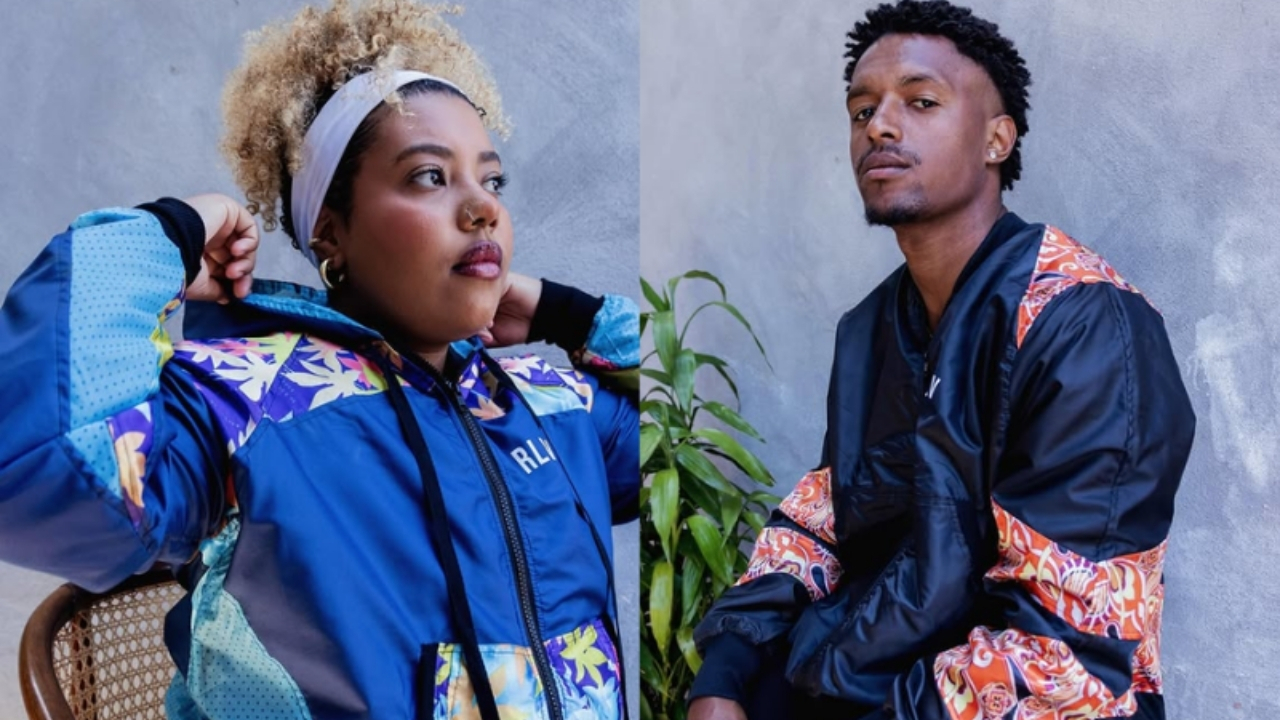
The first step of the brand came from a university challenge. During her Fashion Design degree, Juliana Pinto needed to create a sustainable proposal and decided to look at materials that were already available around her. Her mother, Mara Pereira, had raincoats and umbrella fabrics without frames, which inspired the creation of a coat.
-
As Brazil Expands Social Welfare, Survey Reveals 40% Blame Poverty on Laziness, While 58% Cite Lack of Opportunities

-
China Tightens Control on Antimony, Driving Prices from $22,000 to Nearly $40,000 per Ton as U.S. Rushes to Bolster Strategic Reserves

-
BlackRock Freezes $1 Billion in Brazilian Renewable Energy, Impacting 1.5 GW of Planned Projects and Highlighting Investor Concerns Over Infrastructure Bottlenecks Cutting Up to 25% of Solar and Wind Generation
-
Labor Shortage: Despite Record Average Salary, 90% of Brazilian Bar and Restaurant Owners Struggle to Hire Key Roles Like Sushi Chefs and Head Cooks


The piece was born as an academic project, but quickly caught attention outside the classroom. After presenting the model, Juliana took some units to a local fair. The result was immediate: the pieces were sold on the same day, showing that there was an audience interested in the proposal.
Broken umbrellas became raw material after storms in Petrópolis
Resident of Petrópolis, Juliana noticed that broken umbrellas frequently appeared after periods of heavy rain. What was just urban waste for many people started to be seen as raw material for modern, colorful, and durable clothing.
From this observation, the brand began working with the reuse of fabrics. Before becoming pieces, the umbrellas go through sorting, washing, disassembly, and selection. Only then do they proceed to cutting and sewing, in a more delicate process than traditional manufacturing.
Artisanal production keeps each piece different from the other
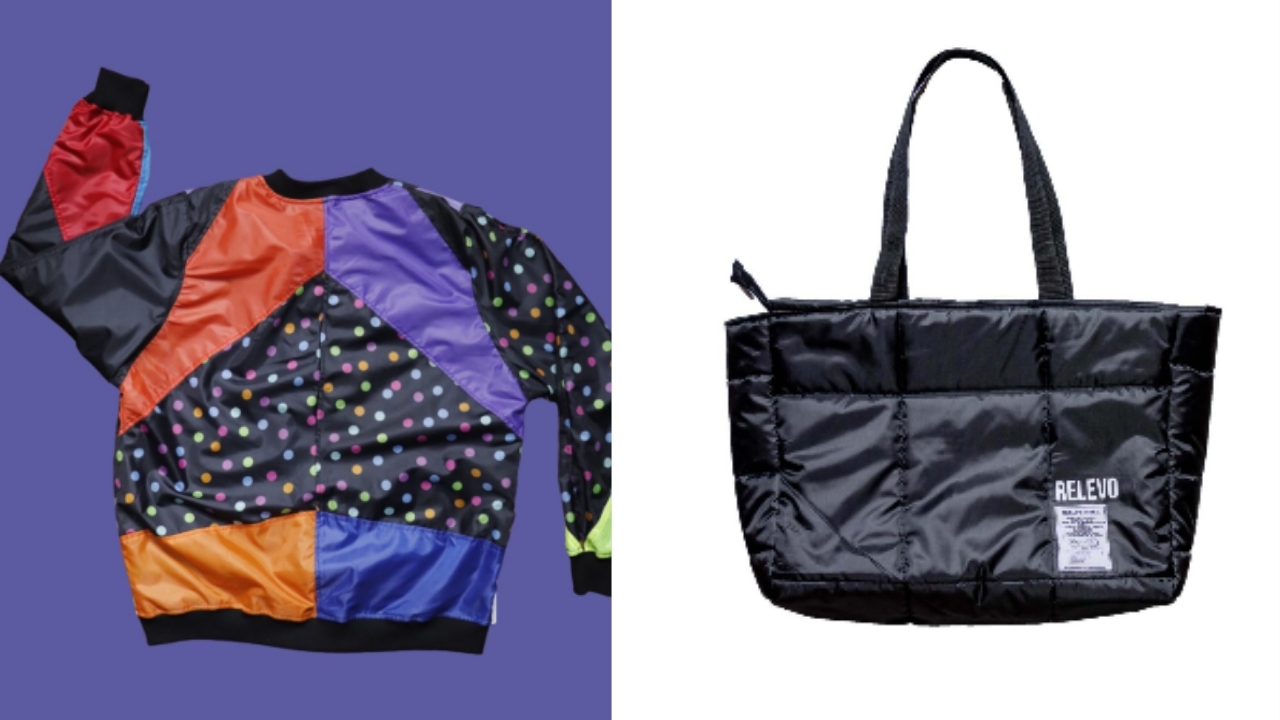
The production is artisanal and each piece has its own characteristics. Since the fabrics come from different umbrellas, the combinations of colors, patterns, and sizes vary according to the available material. Therefore, no jacket or accessory is exactly the same as another.
This exclusivity became one of the brand’s main differentiators. To produce a jacket, between two and four umbrellas can be used, depending on the condition of the fabrics and the desired composition. The result is unique pieces with aesthetic appeal and an environmental message.
Mother joined the business and started to work in essential stages of production
Mara Pereira, Juliana’s mother, went from being just an initial inspiration to officially working in the business. She participates in stages like cutting, sewing, washing, and preparing the reused fabrics, helping to turn the idea into a productive routine.
The family partnership also strengthened the brand’s artisanal model. Instead of relying on large-scale production, Juliana structured a reduced operation, with manual care and support from partner professionals in the final sewing of the pieces.
Selective collection helps supply the workshop with about 200 units per month
Part of the broken umbrellas used in production comes from the Selective Collection of Petrópolis, in partnership with the Municipal Development Company of Petrópolis, COMDEP. The city collects between 100 and 120 tons of waste per month, according to information released about the project.
From this volume, approximately 200 umbrellas are allocated to the brand monthly. The process shows how common waste can gain value when there is organization between collection, reuse, and creation. Before reaching the clothes, the items go through careful separation and preparation.
Brand sells online and launches collections every two months
Currently, sales happen exclusively online, with promotion through social media and photo shoots. The strategy connects with an audience mainly composed of young people interested in art, fashion, sustainability, and pieces with their own identity.
The brand produces about 150 pieces per month and launches collections every two months. Even with a constant pace, expansion is not simple, because working with umbrellas requires technique, patience, and adaptation to the state of each material received.
Sustainable fashion emerges as an alternative to disposal and accelerated consumption
The case of Juliana Pinto stands out for combining income generation, waste reuse, and original design. In a sector often associated with rapid disposal, the brand bets on a logic closer to slow fashion, with smaller production, exclusive pieces, and extended lifespan.
The transformation of broken umbrellas into modern clothes also shows that sustainability can go beyond discourse. The initiative starts from a daily problem, the waste generated after storms, and creates products with added value, sold online to consumers seeking purpose and originality.
Annual revenue reached around R$ 200 thousand with an initial investment of R$ 400
The business started with R$ 400 and, after a good response at the first fair, grew gradually. Today, according to information released about the brand, the annual revenue is around R$ 200 thousand, a result considered significant for an artisanal operation with a small team.
Juliana also plans to expand operations to other markets, maintaining a focus on conscious fashion. The consulted source does not detail deadlines, new sales points, or specific regions for this expansion, only informs that the entrepreneur intends to bring the brand to new audiences.
A common disposal turned into business, income, and debate about consumption
A journey of Juliana Pinto shows how a simple idea can gain scale when it meets real demand. The broken umbrellas, once seen as trash after the rain, started circulating as jackets, bags, and exclusive accessories.
More than a revenue story, the case raises a question about consumption, creativity, and environmental responsibility.
Would you buy a piece made from repurposed umbrella material, knowing it would be unique and prevent waste? Leave your opinion in the comments.