Portuguese
  Spanish


The system announced by the DGT combines license plate reading and occupant detection to monitor the BUS-VAO lane of the A-2 highway, at the accesses to Madrid.
For those entering alone in a lane reserved for shared vehicles, monitoring can happen even before any officer appears. This is exactly what the new intelligent radar prepared for the A-2 highway in Madrid promises to do. The equipment identifies how many people are inside the vehicle, records the license plate, and points out the irregular use of the BUS-VAO lane.
The system was announced on October 31, 2025 by the Spanish Directorate-General for Traffic, the DGT. Initially, activation was scheduled for the first quarter of 2026. Before that, however, the technology would go through a few weeks of testing.
The proposal is easy to understand. When the BUS-VAO lane is active, solo drivers will not be able to use it. If the rule is violated, the infraction can be recorded electronically, without an immediate approach on the highway.
-
Why can the crane operator only obey the correct signalman on the construction site: among dozens of workers, a hand raised by the wrong person can confuse the maneuver and turn a load of tons into an immediate risk.

-
What changes with the new public transportation rules that can reduce pressure on fares and pave the way for zero fare in Brazil?
-
Argentina confirms Belgian giant to lead strategic Paraná River waterway and promises to reduce logistical costs on one of South America’s most important routes
-
MBRF surprises the logistics sector by demonstrating how Artificial Intelligence can directly influence deliveries throughout Brazil by reorganizing distribution routes in seconds, optimizing fleet usage, reducing logistics costs, and speeding up product arrivals even in the face of unforeseen road incidents.



How the radar discovers who is alone in the car
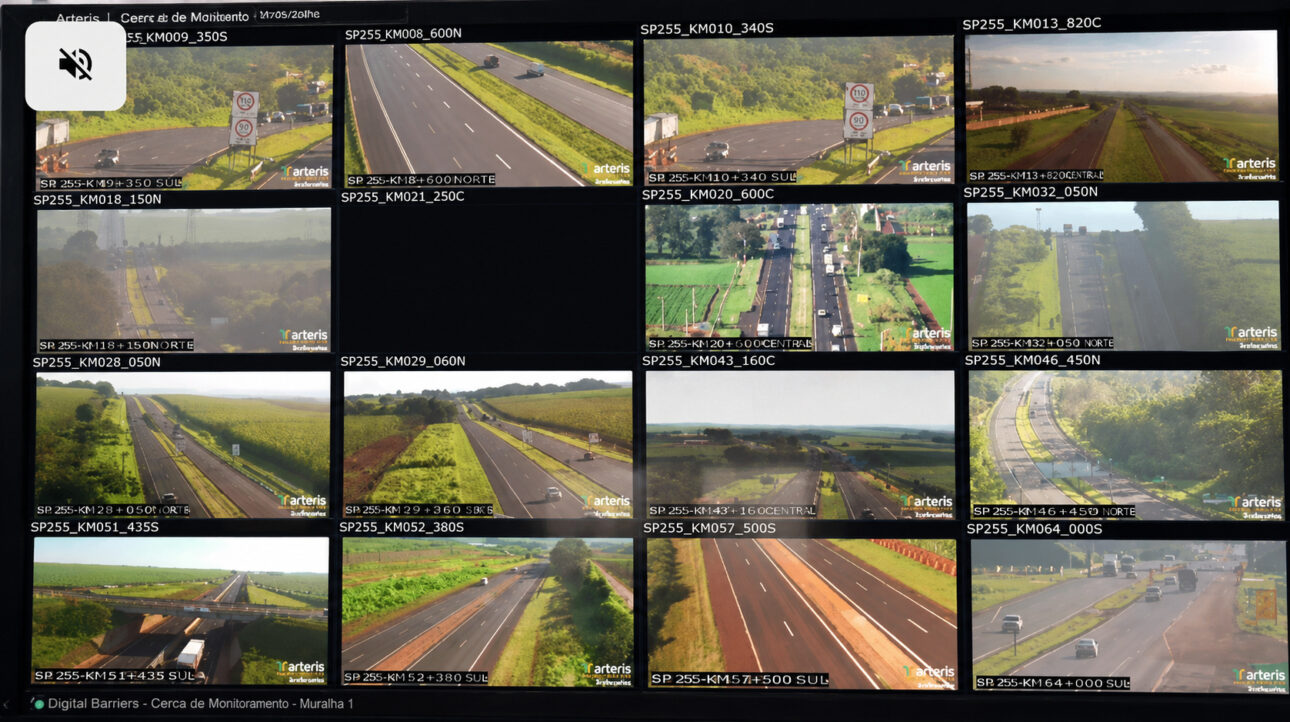
The technology works with two main resources: automatic license plate reading and occupancy detection.
First, the equipment checks the vehicle during circulation. Then, the system analyzes how many people are inside the car. Thus, when only the driver is identified, the possible infraction is recorded.
Additionally, monitoring also reaches those who enter or exit the lane at unauthorized points. Therefore, it is not enough to meet the minimum number of occupants. The driver also needs to respect the locations indicated by the signage.
This detail significantly changes the monitoring. Instead of relying solely on officers positioned on the road, the control can function continuously. Consequently, more vehicles can be checked throughout the day.
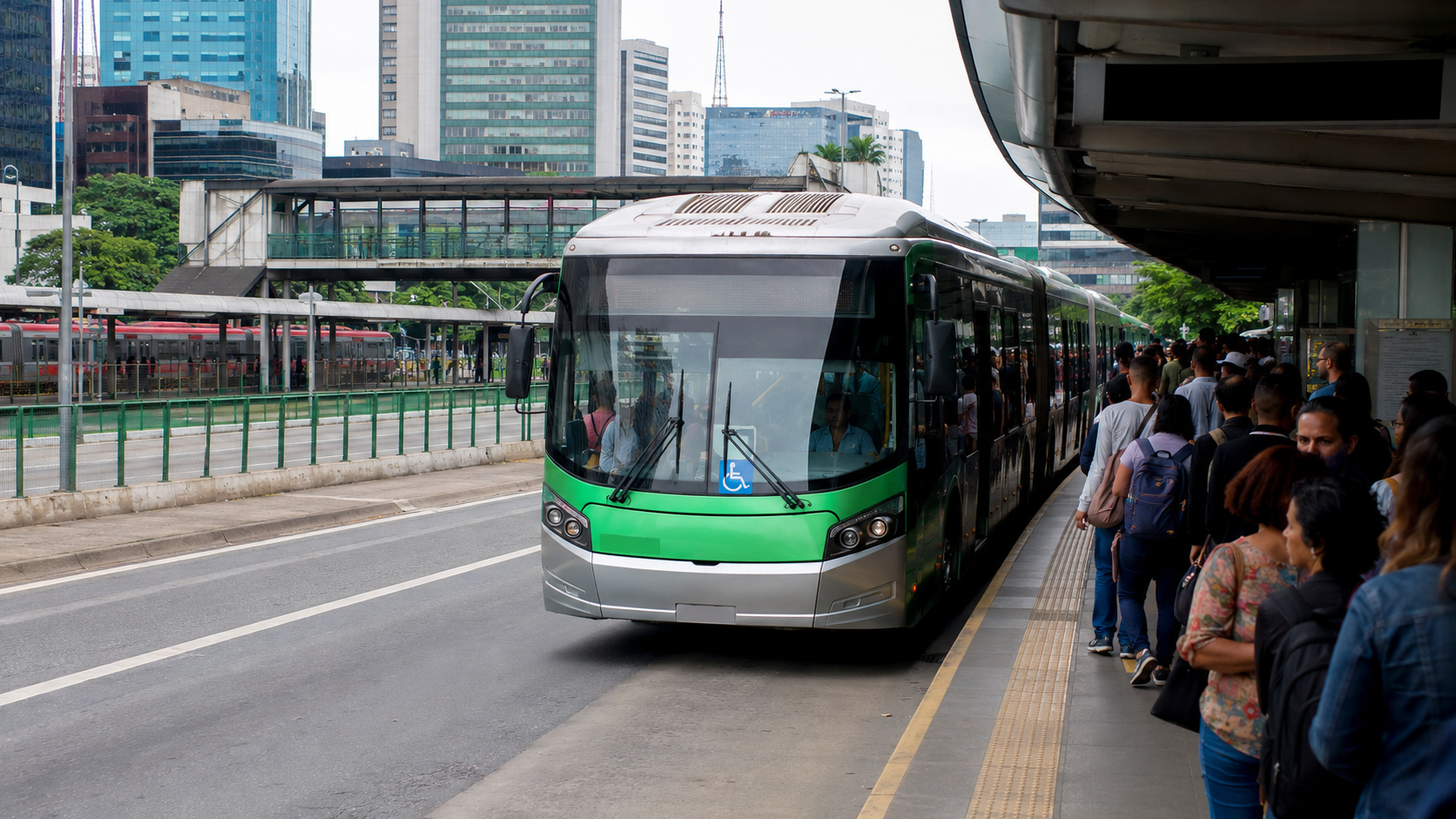
The exclusive lane that changes according to the time
The BUS-VAO lane of the A-2 highway does not function as an exclusive lane all day.
During peak hours, it is intended for buses, motorcycles, emergency vehicles, and cars with two or more occupants. Outside these periods, however, the lane may be open to other vehicles.
The light signaling informs when the special rule is in effect. In this way, the driver needs to observe the panels before entering the lane.
The logic is simple: during traffic jams, those who carpool or use public transportation receive priority. Thus, the measure seeks to improve the flow in the busy accesses of Madrid.

The 200 euro fine for those who try to bypass the rule
The irregular use of the BUS-VAO lane can result in a 200 euro fine.
The penalty did not arise with the new radar. In June 2016, the Revista Tráfico y Seguridad Vial, linked to the DGT, showed a curious case. A driver was traveling on the BUS-VAO lane of the A-6 highway with a doll in the passenger seat.
The attempt to simulate a second occupant did not work. The driver was identified and received the fine provided for the irregular use of the lane.
Now, however, the new system makes monitoring more automated. Among the measures are:
- identification of the number of occupants;
- automatic reading of license plates;
- electronic recording of irregularities;
- control of prohibited entries and exits;
- continuous monitoring of the exclusive lane.
What this technology represents for Brazil
In Brazil, radars are mainly used to control speed and running red lights. Moreover, smart cameras already monitor traffic in real time.
However, automatic identification of the number of occupants is not yet widely used in the country. Therefore, a possible adoption would depend on investments and changes in legislation.
For those observing from the outside, the equipment may seem like just another radar. For the driver who enters the exclusive lane alone, however, it represents monitoring capable of detecting something that previously depended on the eye of an agent.
The European advancement shows that traffic control is becoming more automated. At the same time, the technology reinforces priorities such as public transportation, vehicle sharing, and better urban mobility.
And you, do you think a radar capable of identifying drivers alone inside the car should also be adopted on the busy roads of Brazil?