Portuguese
  Spanish





Selected For The Final Negotiation Phase, BYD And Geely Compete For The Acquisition Of The COMPAS Plant In Mexico, Unit Created In 2017 With An Investment Of US$ 1 Billion And Capacity For 230 Thousand Vehicles Per Year, Amid USMCA Review And Trade Tensions With The United States
BYD and Geely are among the finalists to acquire the COMPAS plant in Mexico, an investment of US$ 1 billion with a capacity of 230 thousand vehicles per year, amid the USMCA review and trade tensions with the United States.
BYD And Geely Compete For Strategic Asset With Capacity For 230 Thousand Annual Units
The goal of the major Chinese brands is to expand their horizons, even with the access blockade to the United States. It has been confirmed that BYD and Geely are among the finalists for the acquisition of COMPAS, the Cooperative Plant of Aguascalientes.
The unit was created from an alliance between Nissan and Mercedes-Benz initiated in 2017, with an investment of US$ 1 billion. Now, it represents the definitive entry point for the Asian giant into the region.
-
End of an era in Brazil: beloved sedan by Brazilians is discontinued despite having a 2.0 engine with 151 hp, CVT transmission, 466-liter trunk, and up to 650 km of range.

-
New Law Proposal in Brazil Could Heavily Penalize Drivers: Dangerous Overtaking May Become a Serious Offense with Fines Increased Tenfold and a 12-Month License Suspension; Update on 2026 Progress

-
Electric Revolution: Watts W125 Motorcycle Offers 160 km Range, 90 km/h Speed, and Affordable Price Starting at $3,000
-
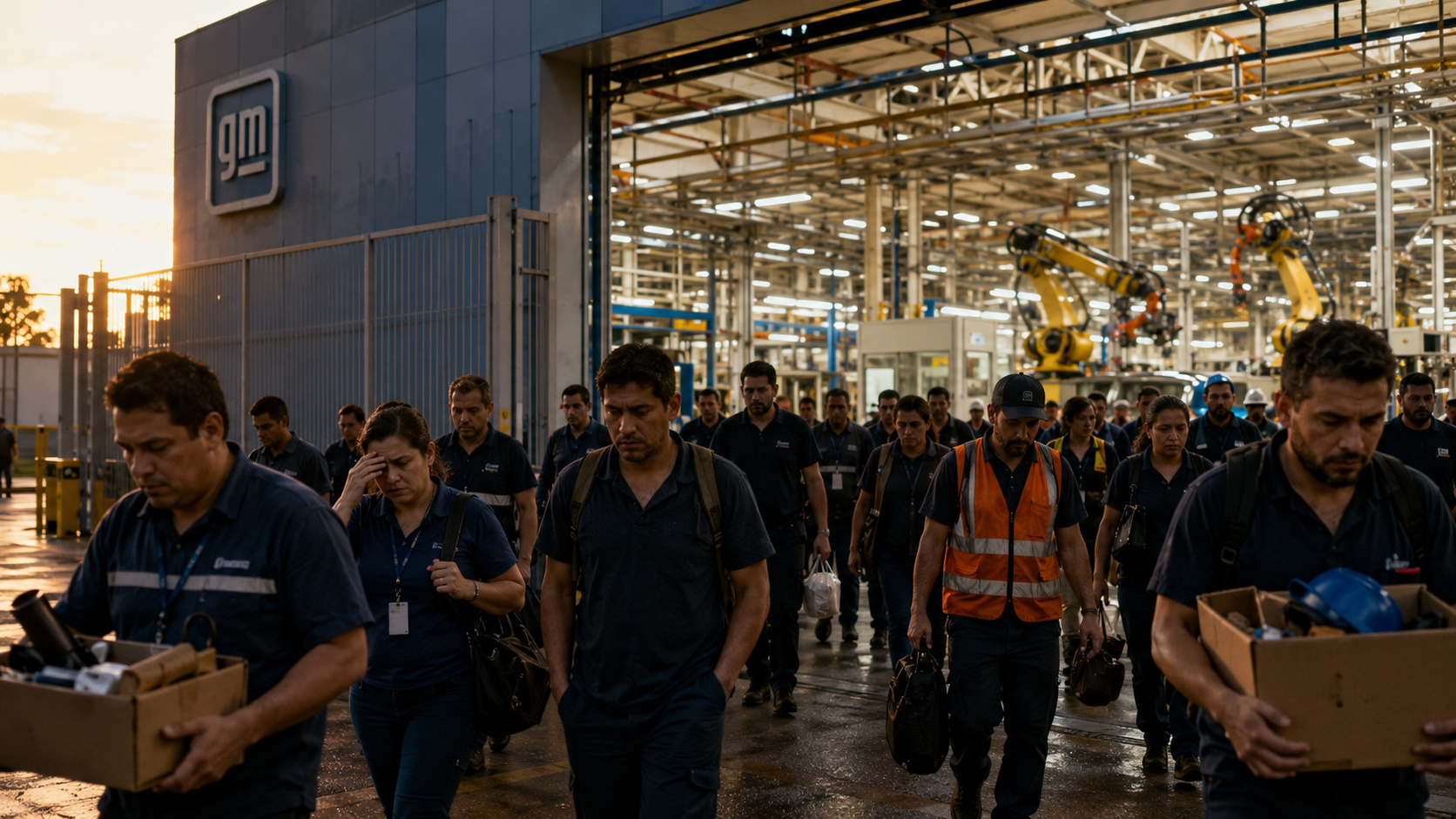
General Motors Replaces Over a Thousand Workers with 50 Cobots at Electric Vehicle Plant, UAW Union Criticizes Move Amid Industry’s Automation Push



Initially, nine companies expressed interest in purchasing the factory, including Chery and Great Wall Motor. However, BYD, Geely, and the Vietnamese VinFast advanced to the final negotiation phase.
Chinese automakers already sell more than 4 million vehicles per year, numbers comparable to those of Ford. Acquiring a plant with an annual capacity of 230 thousand units is seen as a strategic move to consolidate their presence on the continent.
Nissan And Mercedes Exit Opens Space For Industrial Reconfiguration
The availability of COMPAS results from a reconfiguration in the global strategies of its owners. Mercedes-Benz will transfer the production of the GLB model to Hungary, seeking to avoid the 25% tariff imposed by the United States on vehicles manufactured in Mexico starting March 2025.
Nissan is facing a period of global strategic contraction due to low sales. The Japanese automaker will cease operations at this facility and another plant in Mexico City by May 2026.
This withdrawal frees one of the most modern facilities in Mexico. The move comes as Chinese brands experience explosive growth in the local market.
USMCA Review And Caution From The Mexican Government Increase Political Tension
The acquisition occurs amid political tensions. The Mexican government has requested caution and a slower pace in the sales process, which is expected to be finalized in May of this year.
The main reason is the upcoming review of the United States-Mexico-Canada Agreement, scheduled for July 2026. BYD has already filed a complaint against the Trump administration due to tariff policies.
U.S. authorities fear that Chinese factories in Mexico will operate as a backdoor for the entry of Chinese vehicles into the U.S. market, taking advantage of tariff benefits from the trade agreement.
Dependence On Exports And Impact On Employment Increase Sensitivity Of The Case
In 2024, Mexico produced 4 million vehicles, of which 2.8 million were exported to the United States. This data highlights trade dependence now threatened by new tariff policies.
In the past year, the sector recorded an approximate loss of 60 thousand jobs. This scenario increases sensitivity surrounding the potential entry of BYD and Geely into the plant.
The COMPAS factory is considered a high-value technological asset. The area has previously housed the production of premium vehicles and offers infrastructure ready for immediate operation.
For BYD, the acquisition comes after bureaucratic delays faced in the project to build a factory from scratch in Mexico. For Geely, it represents an opportunity to immediately double its operational capacity in the region.
The outcome of negotiations occurs amid commercial and strategic pressures, turning the sale of COMPAS into a central point of the industrial dispute in the continent, with impacts that could redefine the regional productive balance.