Portuguese
  Spanish


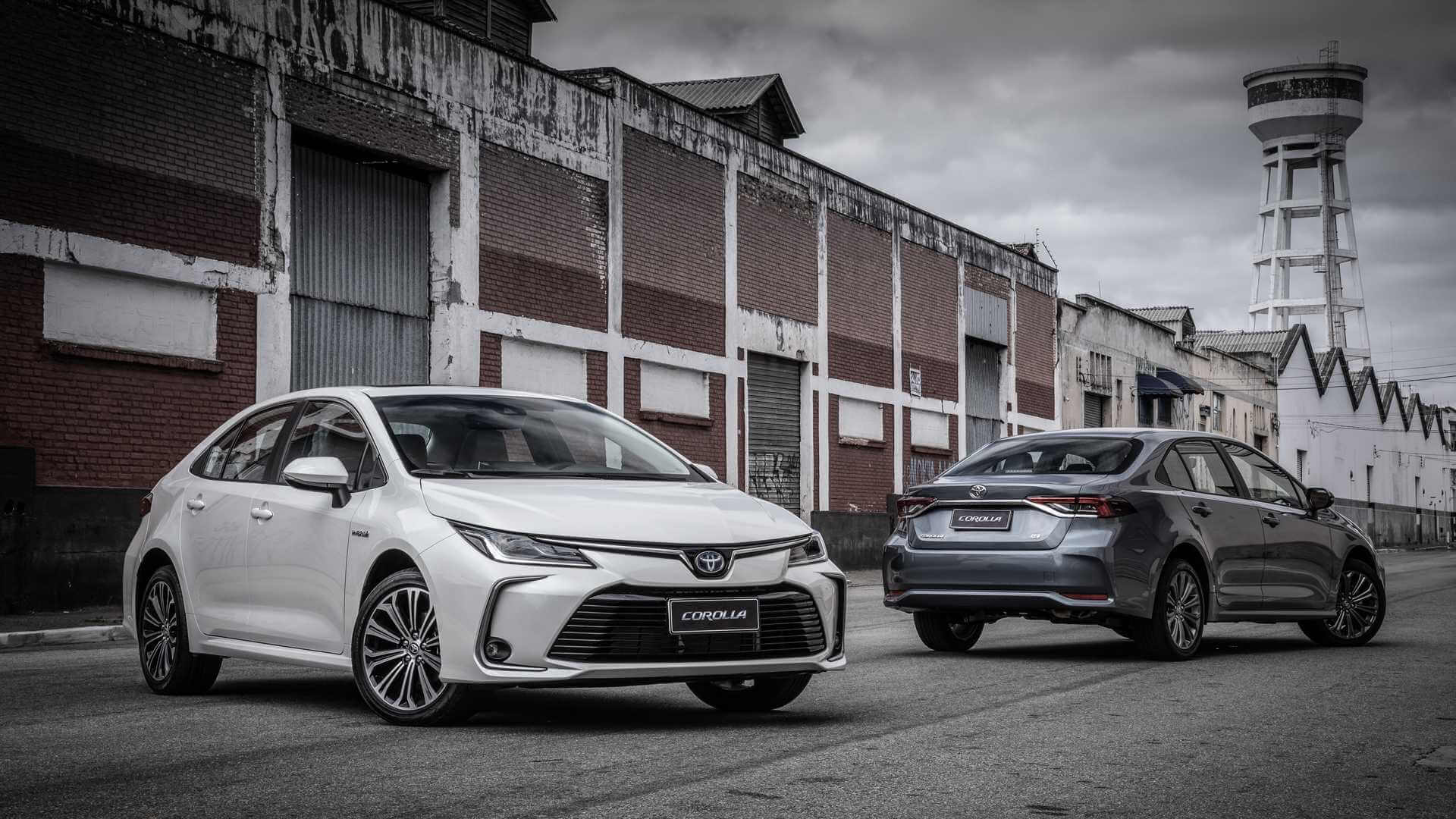

Toyota Closed a Partnership With Chinese BYD and Plans to Bring a Popular Electric Car to the Chinese Market Next Year. The Model Will Feature Current Technologies and an Attractive Price, Potentially Making It a Major Competitor to the Tesla Model Y
Toyota, in an agreement with BYD, promises to launch a popular electric car in China next year. The company had already begun a partnership with BYD for the development of batteries that led to the creation of a shared Research & Development center. Reuters reported that insiders believe this move is a turning point for Toyota in terms of growth and electrification in the Asian country.
Read Also
New Popular Electric Car From Toyota Will Be in the C Segment
The possibility of achieving the targeted goals would be found in BYD’s Blade battery, which features rational assembly solutions and LFP chemistry to allow for a significant reduction in production costs.
The new electric car from Toyota will likely be one of the C segment volumes, with a slightly larger space than a Toyota Corolla, one of the best-selling models in history. According to sources from Reuters, the popular electric car would be defined as a Corolla with more space in the back seats.
-
2027 Toyota Corolla Cross Unveiled: New Design, Enhanced Fuel Efficiency, Reduced Maintenance Costs, Advanced Technology, Connected Services, and Up to 10-Year Warranty

-
Fiat Cronos Precision 2018: Affordable Sedan with Spacious Trunk and Reliable Maintenance
-
Volkswagen to Cut Production by 1 Million Cars by 2030, Reducing Jobs and Platforms, Focusing on More Profitable Models

-
Toyota Launches First 100% Electric Car in Brazil: bZ4X with 343 HP, All-Wheel Drive, 361 km Range, Priced at $419,990 BRL, Limited to 99 Units

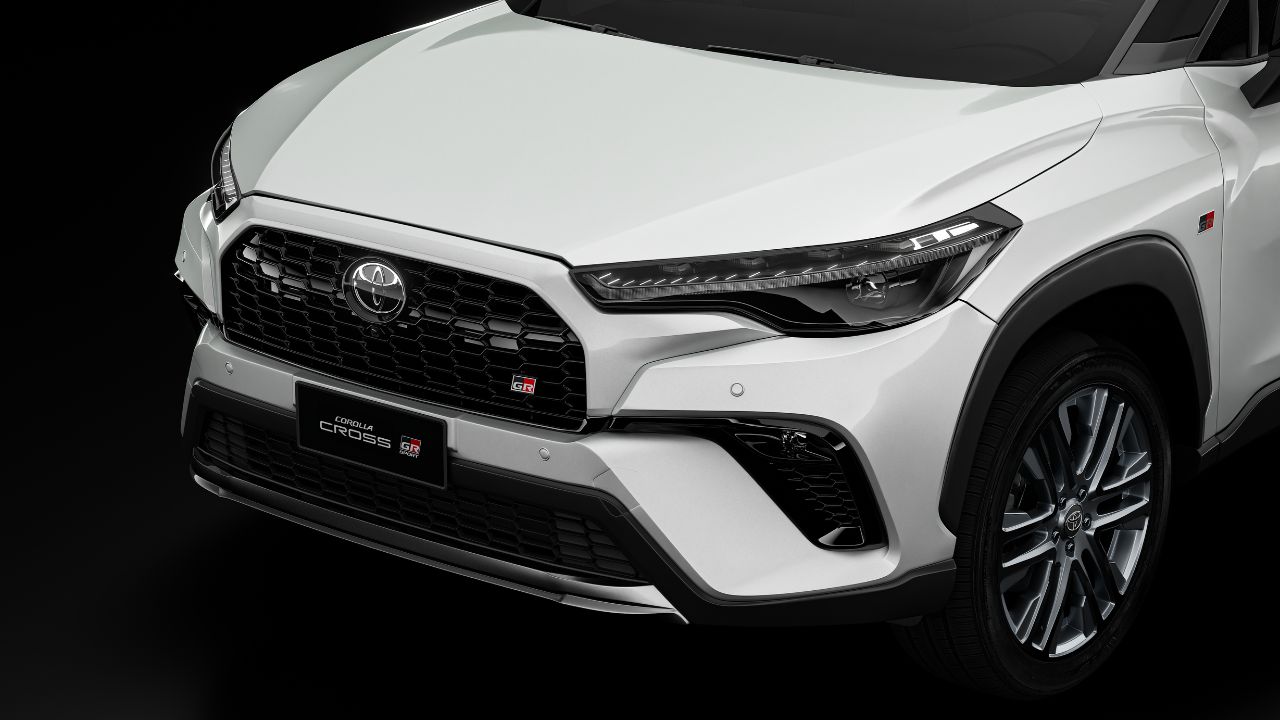


The new popular electric car, developed in partnership with BYD, will be showcased at the Beijing Auto Show, which is set to take place in April 2022, and may be presented to the public as the second representative of the bZ family, which debuted with the recently launched bZ4X SUV. However, for at least the initial phase, it will be reserved only for the Chinese market.
New Vehicle From Toyota in Partnership With BYD Expected to Cost 25,000 Euros
The popular electric car is expected to hit the market costing less than 200,000 Yuan, around 25,000 euros, and will be competing against premium electric cars like the NIO ES6 or the Tesla Model Y, as well as the new super cheap electric cars that are already in a large part of the Chinese market.
The decision to partner with Chinese BYD for this type of popular electric car stems from a series of assessments that Toyota has made over several years of testing and comparisons, leading to the conclusion that models from the Chinese brand are more robust, cheaper, and more reliable than the Japanese models themselves.
Toyota Will Only Sell Zero Emission Models in Europe Starting 2035
The fact that Toyota announced the production of a model with LFP batteries is a clear sign of its willingness to manufacture electric models en masse. And while it will only be in China for now, it cannot be ruled out that in the future this type of technology could be brought to the West, given that the company announced last week that, at least in Western European countries, it will only sell zero emission vehicles by mid-2035.
According to intentions, in the next decade, zero emission vehicles will account for 50% of total sales. However, it is important to note that these are zero emission vehicles, not exclusively electric vehicles.
Toyota reiterated that it seeks to decarbonize its lineup with a holistic approach, working on various technologies such as alternative fuels and hydrogen.