Portuguese
  Spanish


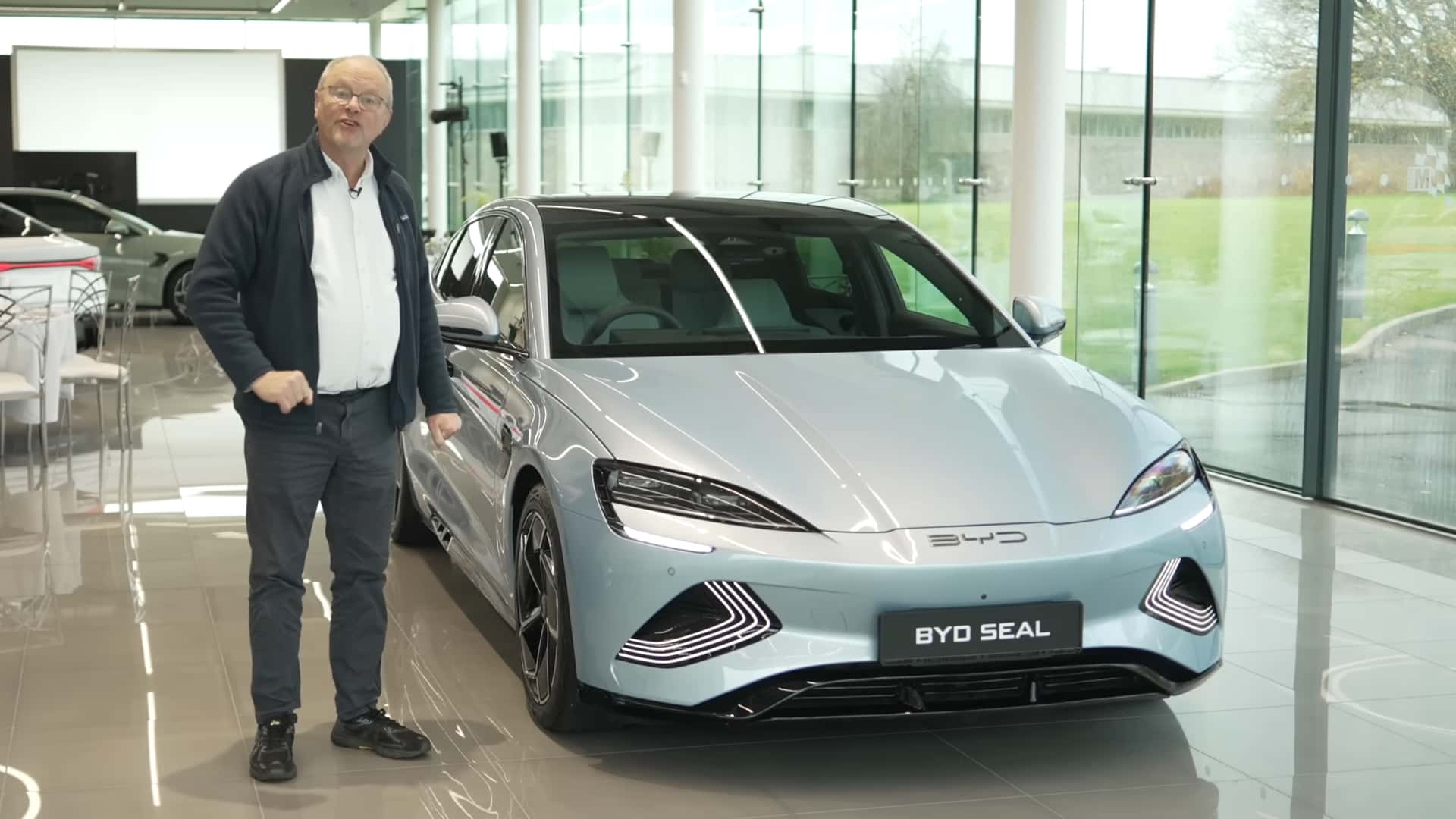

The Car Interior Is High Quality, With Premium Finish And A Rotating Central Screen, And The Price Is In Line With The Competitor’s Model 3. The Level Of Quality Is Visible.
The author added a new location for the gallery that is attached to an existing gallery. This provides more space to display artwork and allows for a broader and more diverse experience for visitors.
For the rear-wheel drive version, the Seal starts at € 44,913 (R$ 240,000), while the AWD version has a starting price of € 50,990 (R$ 273,000). Meanwhile, a Tesla Model 3 RWD costs € 42,990 (R$ 230,000) and the Long Range with dual motor starts at € 51,990 (R$ 279,000).
In the Brazilian market, the BYD Seal was launched at a price of R$ 296,800, which is considered competitive due to the robust equipment package offered, including an all-wheel drive system with 531 hp, as well as a range of 372 km according to the Inmetro standard (about 450 km in practice).
-
1983 Chevrolet Runs Over 100,000 km Without Gasoline, Powered by Wood Chips, Reaches 125 km/h in Airport Test

-
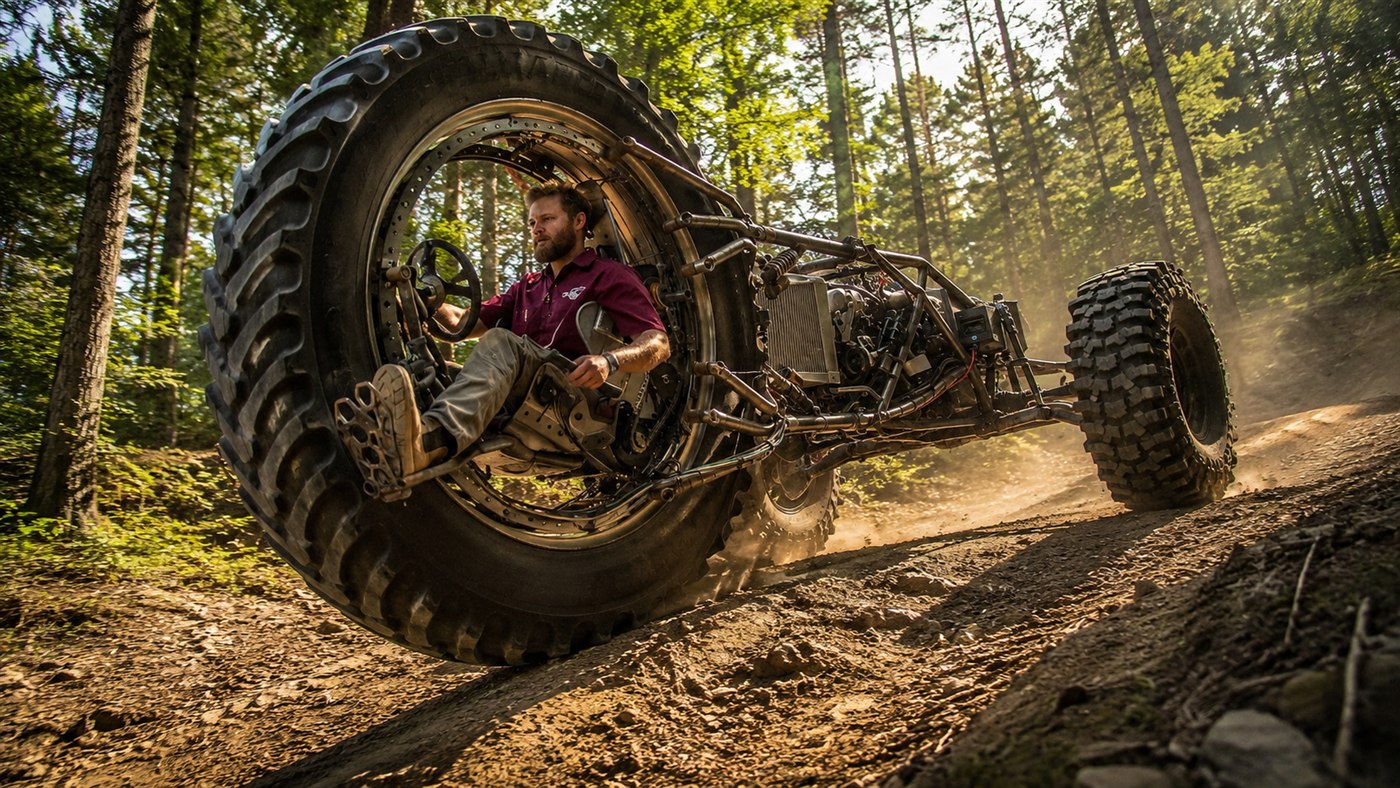
Workshop Converts Giant Tractor Tire Tricycle into a Three-Wheel Drive Hybrid with 36,000-Watt Electric Motor Capable of Climbing Hills

-
Chery Offers Lifetime Battery Warranty and Car Replacement for Major Failures Under New Chinese Regulations
-
Sales of Brazil’s Cheapest Electric Car Halted Before First Deliveries: E-Motors Suspends Emova Easy Due to Import Tax Increase and Rising Freight Costs



New Model: BYD Seal – Interlagos
Undoubtedly, the BYD Seal does not offer optional accessories. Instead, it features two trim levels – the Design, equipped with a rear motor producing 308 hp – and the Excellence-AWD, which includes a front motor for an all-wheel drive system with a capacity of 529 hp, as well as a head-up display.
The Blade battery from BYD, which uses lithium iron phosphate (LFP) chemistry and is an integral part of the vehicle structure, powers both versions and has a usable capacity of 82.5 kWh. This offers a WLTP combined driving range of 570 km in the rear-wheel drive model and up to 520 km in the all-wheel drive model. **This feature highlights the efficiency and range of the electric vehicle.
There are also various buttons for functions such as the audio level of the system and climate control, as well as the steering column levers, which are absent from the updated Model 3 ‘Highland’.
The BYD Seal comes equipped with an energy-efficient heat pump as standard. In fact, the list of standard equipment is quite extensive and includes a panoramic roof, an electric tailgate, foldable rear seats, a 360-degree camera system, adaptive cruise control, and a variety of driver assistance systems. This includes rear collision warning, traffic jam assistance, and traffic sign recognition.
It seems that BYD has made significant strides in terms of interior quality, as the embedded video at the beginning of the article highlights the excellence of the cabin, which is nearly on par with luxury brands such as Mercedes-Benz.
What may attract more traditional car customers to consider BYD‘s options is the more conventional interior design, which includes a digital instrument panel behind the steering wheel, a head-up display for the driver, and a central touchscreen that can switch between landscape and portrait orientations with just a touch. In contrast, the entry-level electric car from Tesla only has a central touchscreen and a few buttons on the steering wheel.
The Chinese company BYD is entering the European market with its advanced electric cars, and the Fully Charged Show team had the opportunity to test the BYD Seal with UK specifications, which competes directly with the Tesla Model 3.
Interestingly, both electric sedans are produced in China. This dispels the belief that cars manufactured in that region cannot match the quality of vehicles made in the West. Tesla, with its Gigafactory in Shanghai, has repeatedly shown that it can maintain and even surpass its facilities in the United States in terms of build quality and manufacturing speed.
Source: Insideevs Uol