






 Portuguese
  Spanish


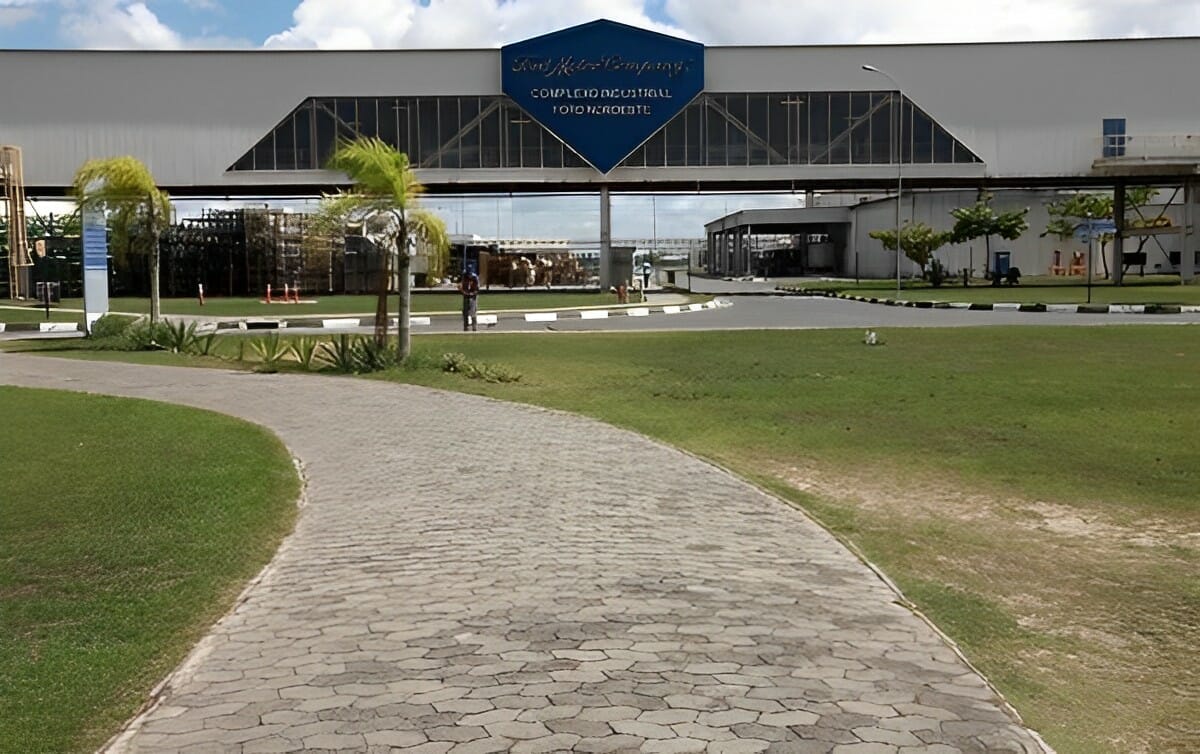

Chinese Automaker BYD, Renowned Worldwide for Its Leadership in Electric Vehicle Manufacturing, Has Entered into an Agreement to Take Over the Former Ford Plant in Camaçari, Bahia. See Below Everything About BYD and Electric Car Production.
This acquisition marks an important step for BYD‘s expansion in the Brazilian market and represents a significant investment in the sustainable mobility sector. Now, we will discuss the details of this venture, the expectations for electric car production, as well as the positive impacts this initiative will bring to the local economy and the environment.
BYD Takes Over Ford Plant in Camaçari for Electric Car Production
The confirmation that BYD will be the new owner of the former Ford plant in Camaçari was announced by the state government of Bahia. Governor Jerônimo Rodrigues (PT) and Stella Li, global vice president of the company, revealed the details of this operation at an event at Farol da Barra in Salvador.
The expectation is that the BYD industrial complex will begin electric car production in the second half of 2024. This news brings optimism to the region, as it represents an opportunity for job generation and technological development.
-
Banco do Brasil and Uber Launch Cashback Program Offering Up to 3.5 Loan Installments Back, Drivers Gain Access to New Cars Worth Up to $30,000 Through Move Brasil Initiative

-
Looking for a Car for Dirt Roads? Fiat Uno, Strada, and Volkswagen Gol Offer Durability and Affordability

-
MG Motor to Produce Two Electric Cars in Brazil with $75 Million Investment, Creating 600 Jobs
-
Nissan Kicks S Direct 2018: Affordable Used SUV with Over 13 km/l Fuel Efficiency, 432-Liter Trunk, and CVT Automatic Transmission


In addition to acquiring the Ford plant, BYD announced investments in the state of Bahia and details about establishing three manufacturing units. These units will be responsible for producing bus chassis, electric trucks, electric and hybrid passenger vehicles, as well as processing lithium and phosphate iron.
The diversification of BYD‘s production line is a smart strategy to meet the demands of the Brazilian market and further boost the electric car industry in the country.
The End of Ford’s Production in Brazil
Ford’s decision to end car production in Brazil and close its factories in Taubaté (SP), Horizonte (CE), and Camaçari (BA) was announced in January 2021. The Camaçari plant was responsible for manufacturing the EcoSport and Ka models, and its closure had a significant impact on the local economy.
The American automaker had already ceased production at the São Bernardo do Campo (SP) plant in 2019, demonstrating the difficulties faced by the company in the Brazilian market in recent years. In a statement to the press, Ford attributed the closure of its operations in Brazil to a combination of factors, including the Covid-19 pandemic, idle industrial capacity, and a drop in sales.
The crisis generated by the pandemic worsened the situation in the automotive industry, leading to a significant reduction in demand for vehicles. In 2022, Ford sold only 20,500 units, representing a 44.8% drop compared to 2021 and a 90% reduction compared to the pre-pandemic period, according to data released by Fenabrave.
BYD: The New Benchmark in Electric Cars
BYD, on the other hand, has been gaining more space in the global electric vehicle market. With a diverse product line that includes electric buses, photovoltaic panels, and batteries for electric vehicles, the Chinese automaker has stood out for its innovative technology and commitment to sustainability.
In the second quarter of 2023, BYD surpassed Tesla in sales, achieving a new quarterly record by selling over 700,000 hybrid and electric vehicles. This impressive performance reflects consumer confidence in the quality and efficiency of cars produced by BYD.
Benefits for the Local Economy
The acquisition of the Ford plant by BYD will bring numerous benefits to the local economy of Bahia. The establishment of BYD‘s manufacturing units and the investments associated with this venture will result in the generation of direct and indirect jobs, boosting the regional economy. Furthermore, electric car production promotes the adoption of clean and sustainable technologies, contributing to the reduction of greenhouse gas emissions and the preservation of the environment.


