






 Portuguese
  Spanish


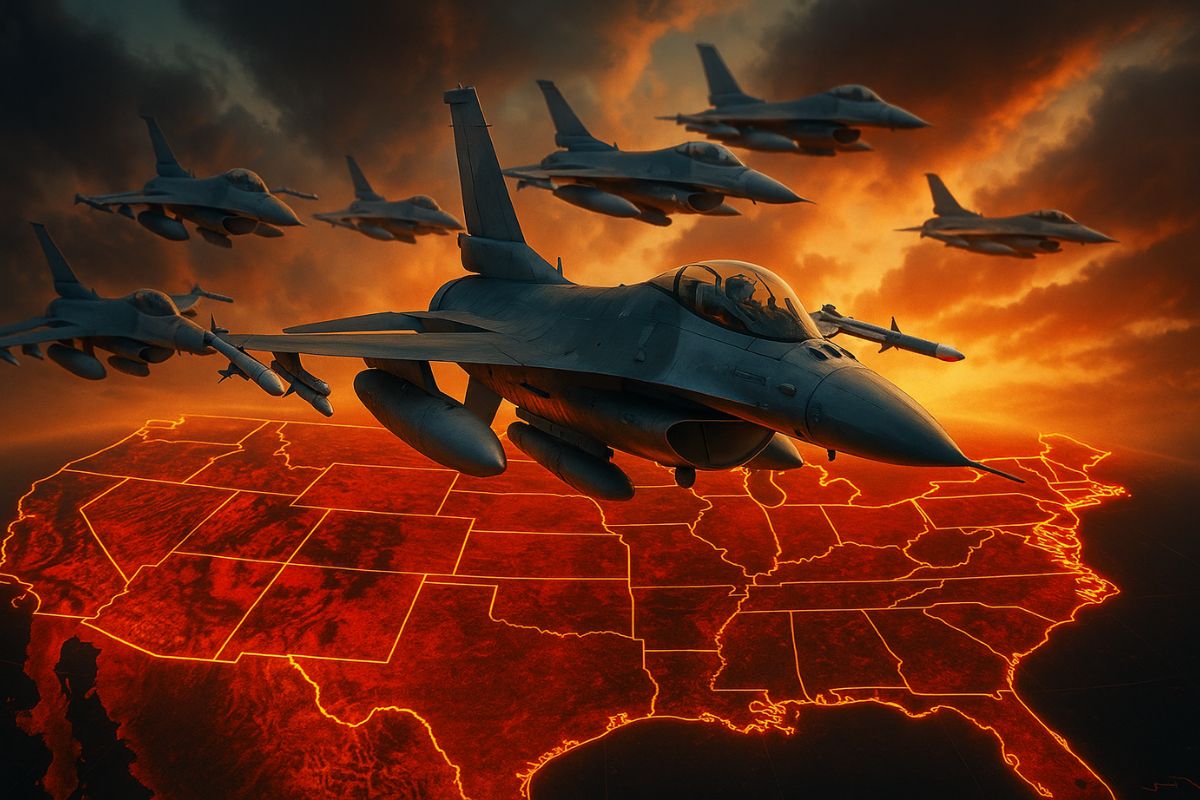


With Active Production Since 1976 and New Orders Confirmed, the F‑16 Still Dominates the Skies in Over 25 Countries
The F‑16 Fighting Falcon remains, in 2025, the most widely used fighter jet on the planet. Developed by the United States in the 1970s, the lightweight multirole fighter stays relevant due to a rare combination of performance, affordability, and technological adaptability.
Its most modern version, the F‑16V (Block 70/72), incorporates state-of-the-art AESA radar, a digital cockpit, and collision avoidance systems. With over 2,000 units still in operation and 470 new active orders, the model remains a key asset in strategic military alliances.
What Makes the F‑16 So Enduring
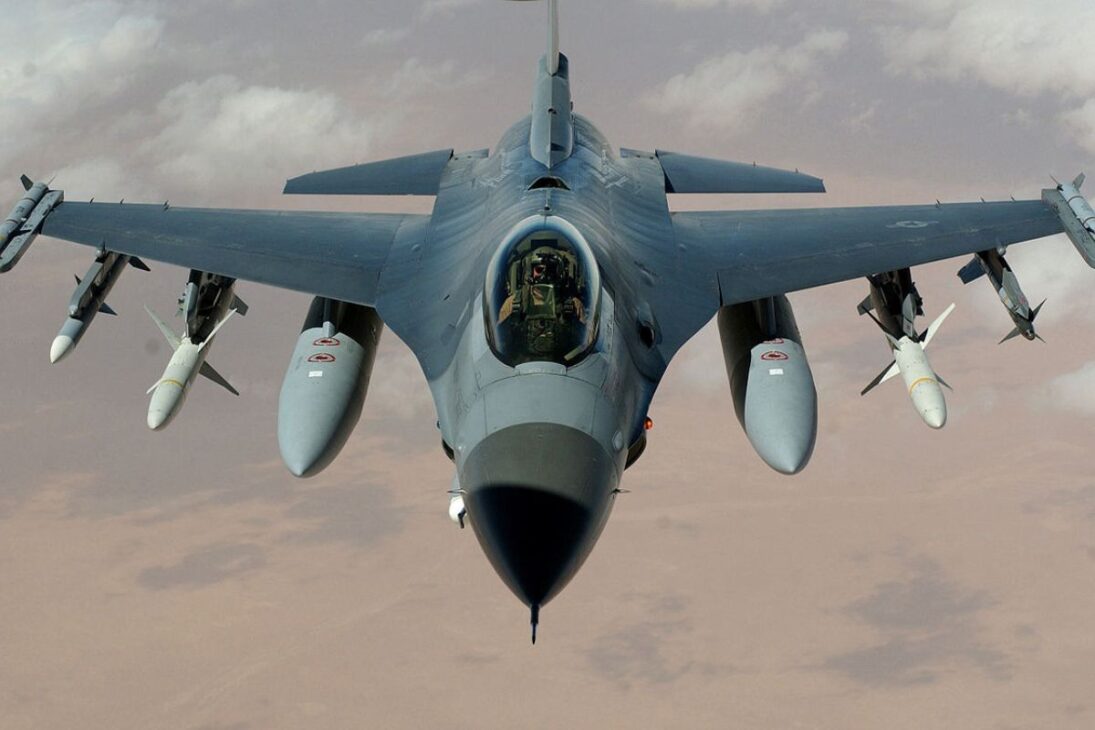
The F‑16 Fighting Falcon was designed to deliver high maneuverability at a low operating cost, being the first operational fighter with a fly-by-wire control system and a bubble canopy for improved visibility. Since 1976, it has been in continuous production—a rare feat in military aviation.
-
France Revamps 530 Social Housing Units with Large Balconies and Glass Facades Without Demolishing Existing Buildings

-
10-Year-Old Max Makes History with Paris Fashion Show, Launches Own Brand, Hires Staff, and Sets World Record as Youngest Runway Designer

-
Bolivian Female Construction Workers Form Association to Combat Discrimination and 38% Pay Gap in the Industry
-
Near Amsterdam, residents buy land and discover they must also build streets, manage drainage, handle waste, and grow food on half their plot.




The aircraft has achieved global popularity with around 4,600 units produced, of which approximately 2,084 remain active in 2025, according to Lockheed Martin data. It is estimated that about 1,500 of these are already at modern standards starting from Block 50.
Where the F‑16 Is Operating Today
The model is present in 28 countries, notably Israel (361 units), Turkey (≈270), Egypt (240), South Korea (167), Greece (170), and the Netherlands (213). Slovakia, for example, received 14 units of the new Block 70 in July 2024.
Taiwan, one of the largest operators, contracted 66 new fighters and upgraded another 139 to the F‑16V standard, with deliveries expected by 2027. Other countries like Morocco, Bulgaria, Bahrain, and Jordan are also among the list of new buyers by 2026.
What Changed in the Modern F‑16V Version
The F‑16V Block 70/72, known as Viper, represents a technological leap with:
- AESA Radar AN/APG‑83
- Next-Generation Digital Cockpit
- Automatic Collision Avoidance System (GCAS)
- Advanced Mission Computer
- Structure with a lifespan of up to 12,000 hours, about 50% longer than previous models
Approximately 70% of the airframe has been redesigned compared to the original F‑16A, ensuring upgrade capability and integration with modern armaments.
Why It Still Makes Sense to Invest in the F‑16
Despite the rise of fifth-generation fighters, the F‑16 still offers a hard-to-match combination: speed, agility, diverse armament, simplified maintenance, and competitive pricing. It is equipped with F100-PW-229 or F110-GE-129 engines that provide about 29,000 lbf of thrust and supports 11 hardpoints for various armaments.
Cost-effectiveness remains the main argument for air forces seeking real combat capability on a controlled budget—especially in regions where the F‑35 is not yet viable.
Technical Consolidation Until 2025
| Indicator | Value |
|---|---|
| Total Manufactured | 4,600+ Units |
| In Operation | ≈2,084 Units |
| Modern Units (Block 50+) | ≈1,500 |
| Active Orders Block 70/72 | ≈470 (until 2026) |
| Operating Countries | 28 |
Do You Think the F‑16 Is Still a Good Military Investment or Should It Be Retired?
The global presence of the fighter is impressive, but does it still deliver everything it promises in the face of current air warfare challenges?
Leave your opinion in the comments—especially if you follow aviation or work in the field.







