Portuguese
  Spanish



Federal Program Allows Installation of Solar Energy and Essential Renovations in Urban Properties, with Reduced Interest Rates, Clear Criteria, and Rules That Change Families’ Relationship with Their Own Homes
In November 2024, Caixa Econômica Federal began releasing credit for the installation of solar energy systems in low-income homes. The measure is part of the Home Improvement Program Brazil, which structures financing lines aimed at improving urban housing. According to Caixa, families with a gross monthly income of up to R$ 9,600.00 can apply for the benefit subject to credit analysis. In addition, the program increases access to essential renovations focused on energy efficiency and housing improvement.
General Rules of the Financing Program
The initiative allows the use of resources for both solar energy and structural renovations. The program follows Caixa’s internal regulations and federal housing policies adopted between 2023 and 2025. The credit varies from R$ 5,000.00 to R$ 30,000.00, with terms between 24 and 60 installments. According to the institution, interest rates are defined by income brackets and range between 1.17% and 1.95% per month, making financing accessible. Thus, hiring requires urban residency, income within the limit, and updated registration.
Criteria for Family Participation
Just as with municipal housing regulations, the program establishes clear participation criteria. The families must prove income, meet registration requirements, and obtain credit approval. Additionally, the property can be residential or mixed-use, provided it does not present structural or environmental risks. The program accepts properties without deeds and rented or ceded residences, significantly expanding the social reach of the public policy.
-
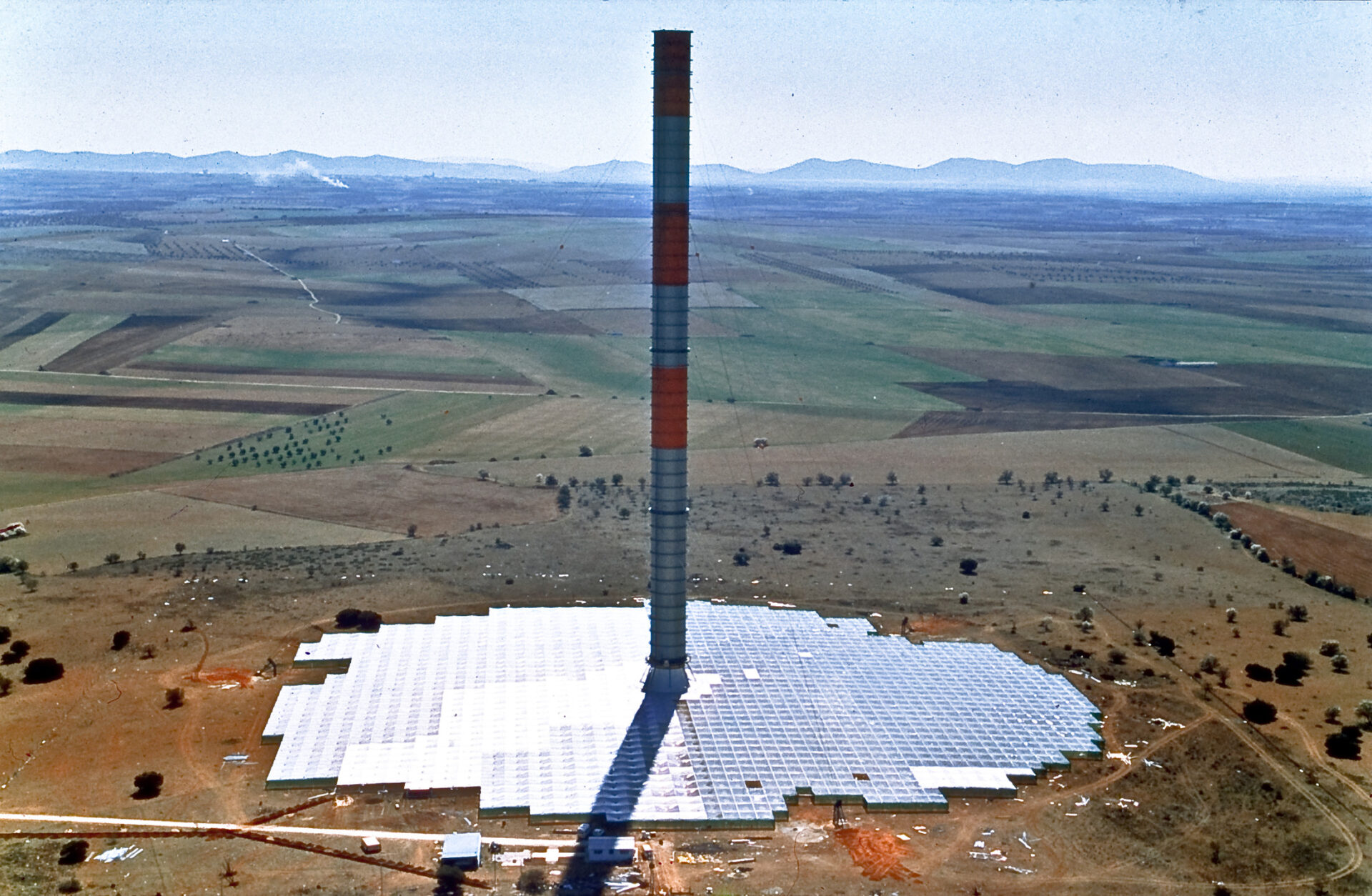
Solar Chimney in Spain Harnessed Sun to Generate Electricity for 7 Years Without Burning Fuel

-
Solar energy reaches 55 GW, becoming the second largest power source in Brazil’s energy mix

-
Solar energy can increase property value by up to 10% and become a selling point.
-
Solar and wind energy surpass natural gas for the first time in the world and accelerate energy revolution



Restrictions and Obstacles Related to the Property
Caixa prohibits financing when the property is located in a risk area. Therefore, locations with a history of flooding, flooding, landslides, cracks in the ground, continuous alerts from Civil Defense, proximity to rivers or reservoirs, preservation areas, reserves, parks, or environmentally embargoed locations are excluded. These restrictions exist to ensure safety, reduce risks, and ensure the proper application of resources.
Financial Conditions, Interest Rates, and Terms
The values follow official parameters disclosed by Caixa. Families with income up to R$ 3,200.00 pay interest rates of 1.17% per month, while groups with income between R$ 3,201.00 and R$ 9,600.00 pay 1.95% per month. The terms range from 24 to 60 months, and the final amount depends on the beneficiary’s profile assessment. After the completion of the work, the installments may be recalculated. If the renovation is not proven, the balance is not released, and Caixa applies a fine on the financing.
Operational Process and Mandatory Steps
The process follows a strict and standardized order. The beneficiary must:
- 1) provide the property information;
- 2) choose up to three eligible services;
- 3) indicate the desired amount;
- 4) update the registration;
- 5) await credit analysis;
- 6) register “before” photos;
- 7) receive 90% of the approved amount;
- 8) start the work after 30 days;
- 9) complete the renovation within 55 days;
- 10) submit “after” photos;
- 11) receive the remaining 10%. This flow ensures transparency and adequate proof of resource usage.
Responsibilities of Beneficiaries and Technical Requirements
Just as urban regulations require countermeasures, the program stipulates direct responsibility of the beneficiary. The work must be carried out as informed, and the submitted photos prove the proper use of resources. Caixa supervises all stages and conditions the final release to proof of renovation, reinforcing control over the application of public funds.
Institutional Justifications and Objectives of the Public Policy
According to Caixa, financing encourages housing improvements, increases access to solar energy, and reinforces federal policies on energy efficiency. The initiative reduces family expenses, improves thermal comfort, and promotes sustainable practices, aligning the program with the socio-environmental goals set by the government in 2024.
Impacts on the Routine of Urban Families
With clear rules, constant oversight, and new requirements, the program changes the way urban families deal with renovations and maintenance. Adherence now requires planning, technical proof, and financial responsibility, strengthening the culture of care and appreciation of properties. Thus, financing contributes to structural changes in families’ relationship with their own homes.