Portuguese
  Spanish


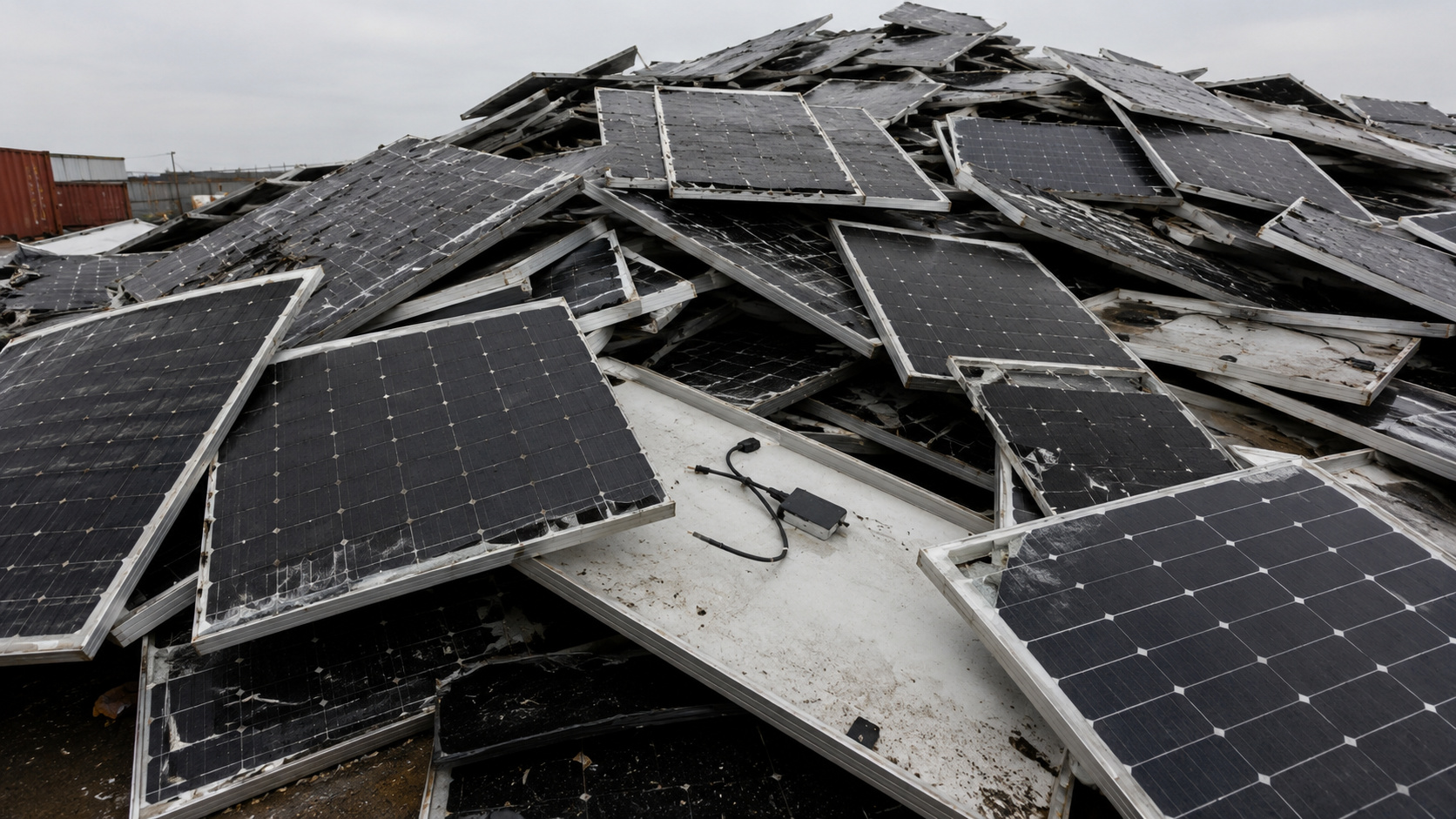

Discover how Scatec is driving the circular economy with solar panel recycling, creating value for the photovoltaic energy sector.
Scatec announced a significant advancement for the sustainability of solar energy in Brazil. During Environment Week, the company reported that it aims to achieve 100% recycling of materials present in damaged solar panels used in the construction of the Rio Urucuia plant in Minas Gerais.
The project, which has an installed capacity of 142.31 MWp and about 201,000 photovoltaic modules, reinforces the potential of solar panel recycling as an environmental and economic tool. According to estimates from the photovoltaic energy sector, every R$ 1 invested in this process can generate a return of R$ 3.18, strengthening the circular economy and reducing waste disposal.
Besides financial gains, the initiative prepares the Brazilian market for a future where millions of solar energy equipment will need to be replaced at the end of their useful life.
-
Solar energy reaches 55 GW, becoming the second largest power source in Brazil’s energy mix

-
Solar energy can increase property value by up to 10% and become a selling point.
-
Solar and wind energy surpass natural gas for the first time in the world and accelerate energy revolution

-
Africa has about 500,000 cell towers and most still burn diesel to operate, while companies rush to cover antennas with solar energy and avoid signal blackouts.
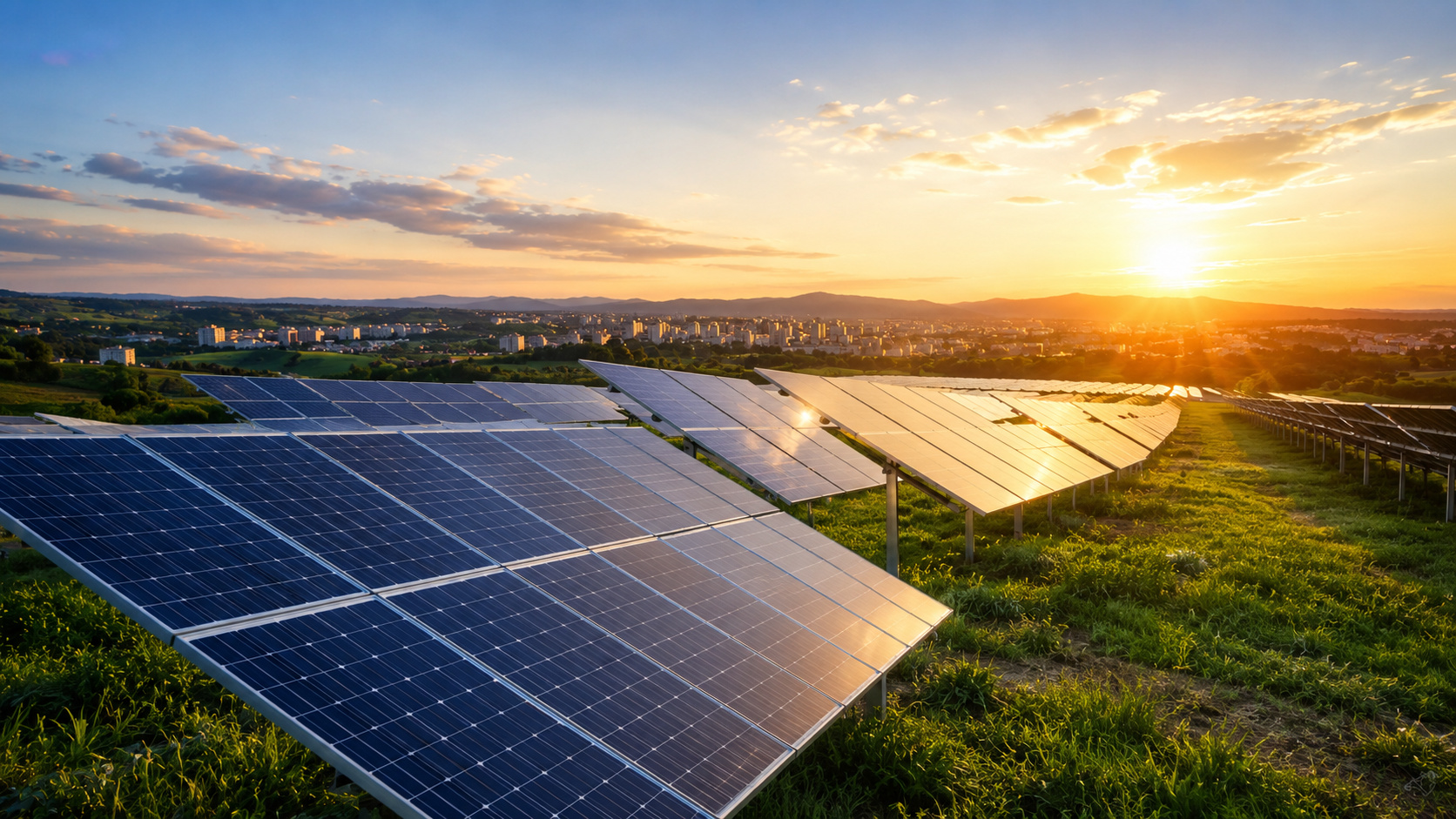



Scatec raises the standard of solar panel recycling in Brazil
The Rio Urucuia plant marks a new stage in Scatec‘s environmental strategy. The company intends to fully reuse the materials present in modules damaged during transport, storage, or installation.
Until recently, solar panel recycling processes focused mainly on the recovery of glass and metals. Now, the company is advancing towards the reuse of more complex materials, including plastics and rubbers.
The company’s Community Relations Coordinator, Ledjane Oliveira, who also has a background in Materials Engineering, highlights that this evolution significantly increases the efficiency of waste reuse generated by the photovoltaic energy industry.


How the circular economy transforms waste into new resources
The concept of circular economy is gaining strength in various industry segments, especially those related to the energy transition.
In practice, the proposal consists of reducing waste and keeping materials in use for as long as possible. Instead of simply discarding waste, it returns to the production chain as raw material for new products.
In the solar energy sector, this model offers several advantages:
- Reduction of the amount of waste sent to landfills;
- Recovery of valuable materials;
- Less need for extraction of natural resources;
- Reduction of carbon emissions;
- Creation of new economic opportunities.
As photovoltaic energy grows in Brazil, the adoption of the circular economy tends to become increasingly strategic to ensure long-term sustainability.
Accumulated experience allowed Scatec to advance to 100% reuse
The result achieved in Rio Urucuia was built from previous experiences.
In 2025, Scatec initiated a pioneering project involving the recycling of approximately 4,700 modules from the solar plants of Mendubim, in Rio Grande do Norte, and Quixeré, in Ceará.
At that time, the company reached a recycling rate of about 85%. The knowledge gained from these operations allowed for process improvement and increased material recovery.
According to Ledjane Oliveira, although the number of recycled panels is still relatively small, the knowledge acquired today will be crucial when the first large-scale solar energy plants begin to replace equipment on a large scale in the coming decades.
Photovoltaic energy grows and increases the need for specialized recycling
The Brazilian photovoltaic energy market continues to expand its share in the national electricity matrix. New plants and distributed systems are installed every year in homes, businesses, and rural properties.
Although the panels have a long lifespan, generally over 25 years, there will come a time when many of these pieces of equipment will need to be replaced.
This scenario will require a robust solar panel recycling structure, capable of handling large volumes of materials.
Therefore, initiatives like those of Scatec are considered important to prepare the production chain and prevent future solar energy waste from becoming an environmental problem.
Numbers show the environmental impacts of solar panel recycling
The results obtained by the company at the Mendubim and Quixeré plants help to gauge the environmental potential of the activity.
According to the released data, the operation allowed:
- To avoid the disposal of more than 420 cubic meters of waste in landfills;
- To prevent the emission of 84.72 tons of CO₂ equivalent;
- To enable the reuse of various industrial materials;
- To strengthen the circular economy chain linked to photovoltaic energy.
To carry out the logistics operation, 11 trucks were used to transport the equipment from Rio Grande do Norte to Minas Gerais, where the materials were processed.
Another data highlighted by the company indicates that for every 39 cubic meters of photovoltaic sector waste correctly sent for recycling, approximately 13 tons of CO₂ equivalent are prevented from being emitted into the atmosphere.
Valuable metals increase the economic potential of solar energy
One of the main benefits of solar panel recycling is the recovery of materials with significant commercial value.
According to information presented by Scatec, the highest concentration of lead in the modules is located in the metal alloy responsible for the connection between the photovoltaic cells.
This composition contains approximately:
- 29.2% lead;
- 26% copper;
- 5% silver.
After separating these components, the materials are sent to specialized foundries. This reduces environmental risks and allows them to return to the production cycle.
The recovered lead can be used again in the manufacture of connectors or automotive batteries. Meanwhile, copper and silver have wide industrial applications, adding value to the circular economy process.
Return of R$ 3.18 per real invested draws attention from the sector
In addition to environmental gains, recycling presents a significant economic potential.
According to estimates cited by Scatec, the photovoltaic energy sector estimates that each R$ 1 invested in recycling can generate a return of R$ 3.18.
This result helps change the perception that waste reuse represents only an operational cost. In practice, it can become a source of revenue through the recovery of reusable materials.
The scenario also opens up opportunities for new businesses related to logistics, industrial processing, and commercialization of raw materials from solar panel recycling.
Scatec’s global goal reinforces commitment to zero emissions by 2040
The strategy adopted by the company is aligned with Scatec‘s global sustainability commitments.
According to the company, the goal is to achieve net zero carbon emissions by 2040. In this context, expanding recycling processes plays an important role in reducing environmental impacts throughout the entire production chain.
The initiative also demonstrates that the growth of solar energy can occur increasingly integrated with the principles of the circular economy, combining clean energy generation with efficient resource reuse.
A path that could redefine the future of Brazilian solar energy
The advancement announced by Scatec shows that solar panel recycling is moving from a complementary activity to a strategic role within the sector.
The ability to reuse 100% of the materials present in damaged modules demonstrates that the circular economy can generate environmental and financial benefits simultaneously. The recovery of glass, metals, plastics, rubbers, and high-value components reduces waste, prevents emissions, and creates new business opportunities.
With the continuous expansion of photovoltaic energy in Brazil, initiatives like this tend to gain increasing relevance. Besides strengthening the sustainability of solar energy, they help build a more efficient production chain, prepared for the challenges of the coming decades and capable of transforming waste into valuable resources.