





 Portuguese
  English
  Spanish
  2 min of reading
  0 comments


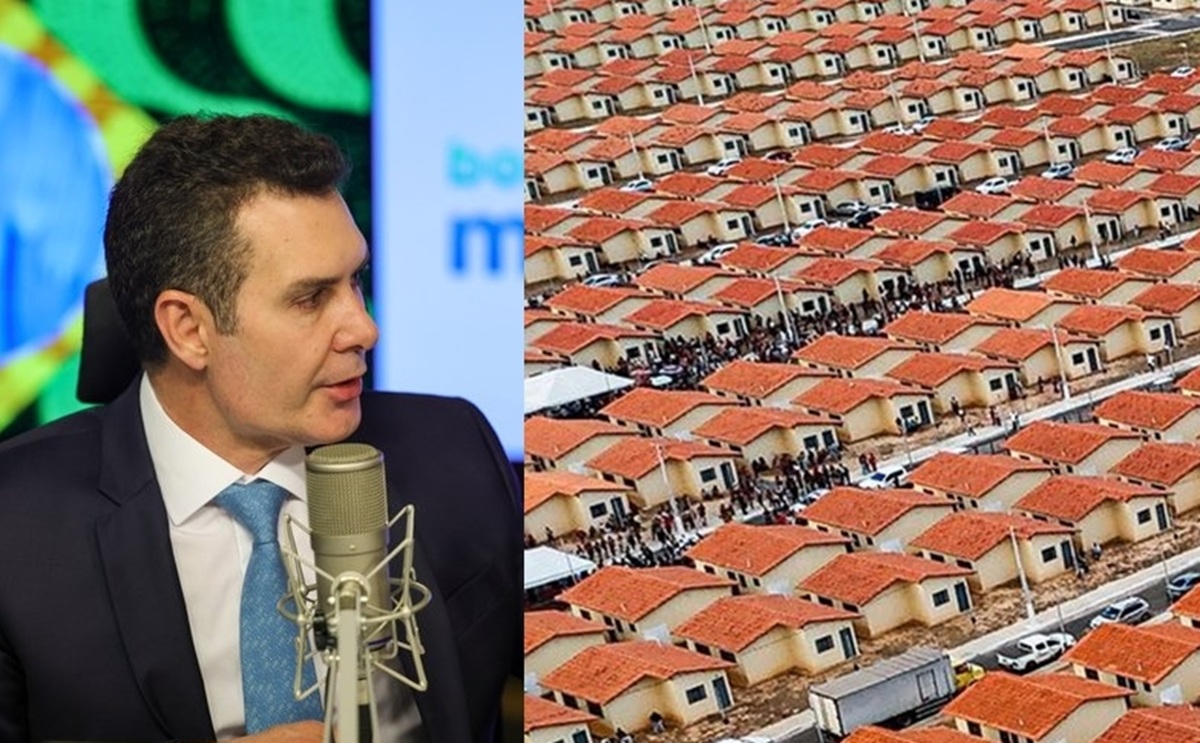
New Federal Housing Policy Aims at Middle-Income Families and Will Allow Caixa to Finance 80 Thousand Homes as Early as October, with Planned Injection of Up to R$ 150 Billion in the Sector.
The Minister of Cities, Jader Filho, stated that the new federal housing policy will allow Caixa Econômica Federal to finance 80 thousand new homes immediately.
As reported by CNN Brasil, the statement was made this Thursday (9) during the Incorpora 2025 event.
The measure will target the middle class, serving families with monthly incomes between R$ 12 thousand and R$ 20 thousand, and will use resources from the Brazilian Savings and Loan System (SBPE).
-
The largest highway concession company in Brazil already belongs to an Italian group, and now the railway sector may be next to receive billions in investments from Italy amid the progress of the Mercosur and European Union agreement.

-
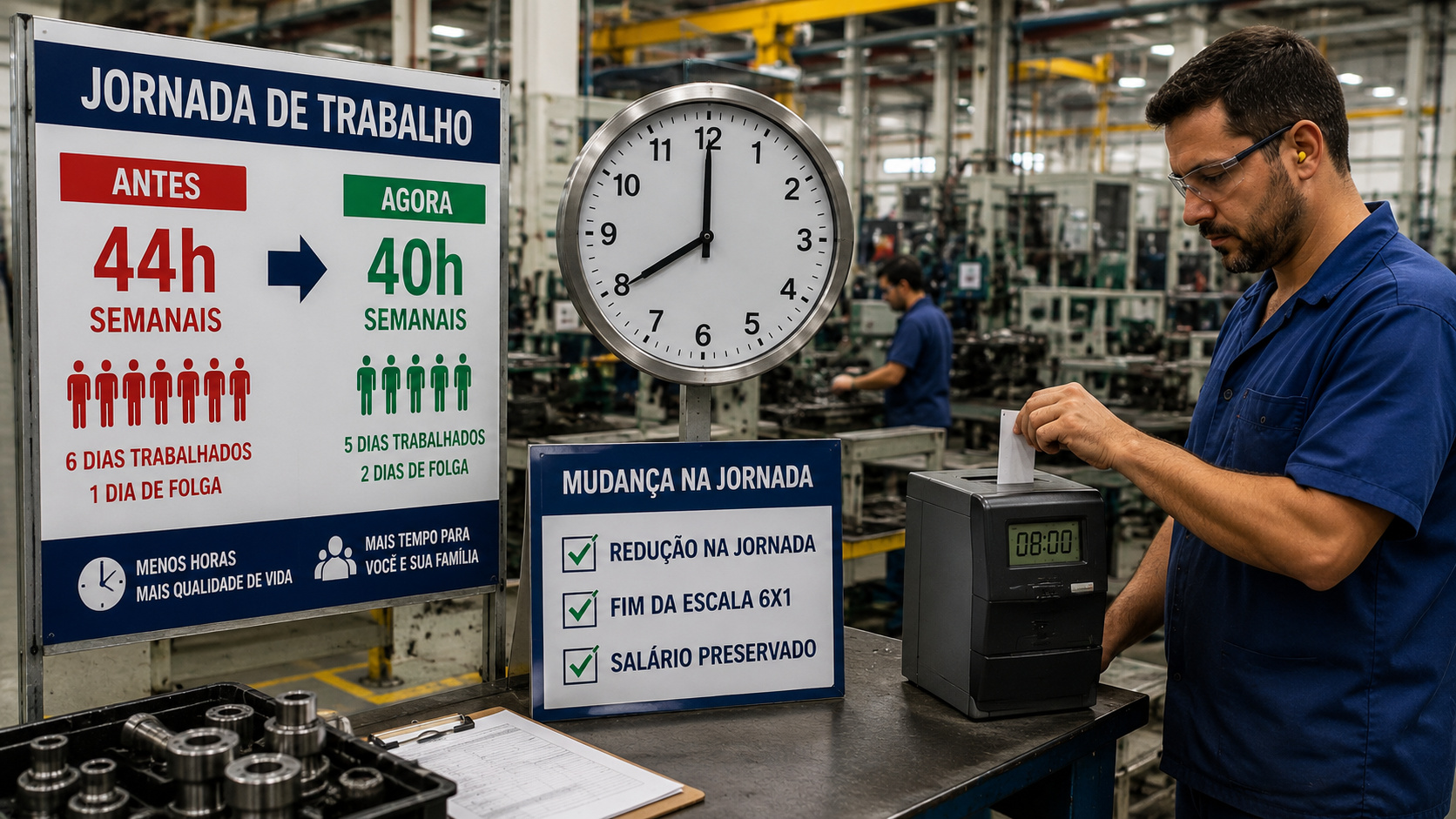
Work less and earn the same? PEC discussed by Lula and Hugo Motta affects the 6×1 schedule and reignites the debate on working hours, days off, and salary in Brazil.

-
Companies from Ceará generate billions and dominate Brazil without many people noticing, with giants born in the state such as Hapvida, Pague Menos, M. Dias Branco, and Três Corações totaling almost R$ 104 billion in revenue just in 2024.
-
A ton of old cell phones can contain up to 800 times more gold than a ton of ore extracted from a mine, according to the UN, and it is this hidden wealth in drawers that drives so-called urban mining, which can even be turned into Olympic medals.



Housing Policy for the Middle Class
According to the minister, the official launch of the program will take place with the presence of President Lula and was developed in partnership with the Central Bank, the Ministry of Finance, and Caixa.
The expectation is that new financing will begin in October, aiming to reach 80 thousand operations by the end of 2026.
Currently, 65% of savings must be allocated to real estate credit, 15% are available for more profitable operations, and 20% remain at the Central Bank as reserves.
The new policy will allow banks to freely use these resources, provided they grant real estate credit equivalent to what they capture.
Initially, 5% of reserves will be released, and if there are no issues, the 20% will be available in 2027. The real estate sector had requested a transition rule to avoid sudden impacts.
The SBPE accumulates about R$ 750 billion. This means the initial injection could reach R$ 35 billion and go up to R$ 150 billion when the policy is fully implemented. The government bets that the change will boost the real estate market and expand access to housing for the middle class.









Be the first to react!