Portuguese
  Spanish


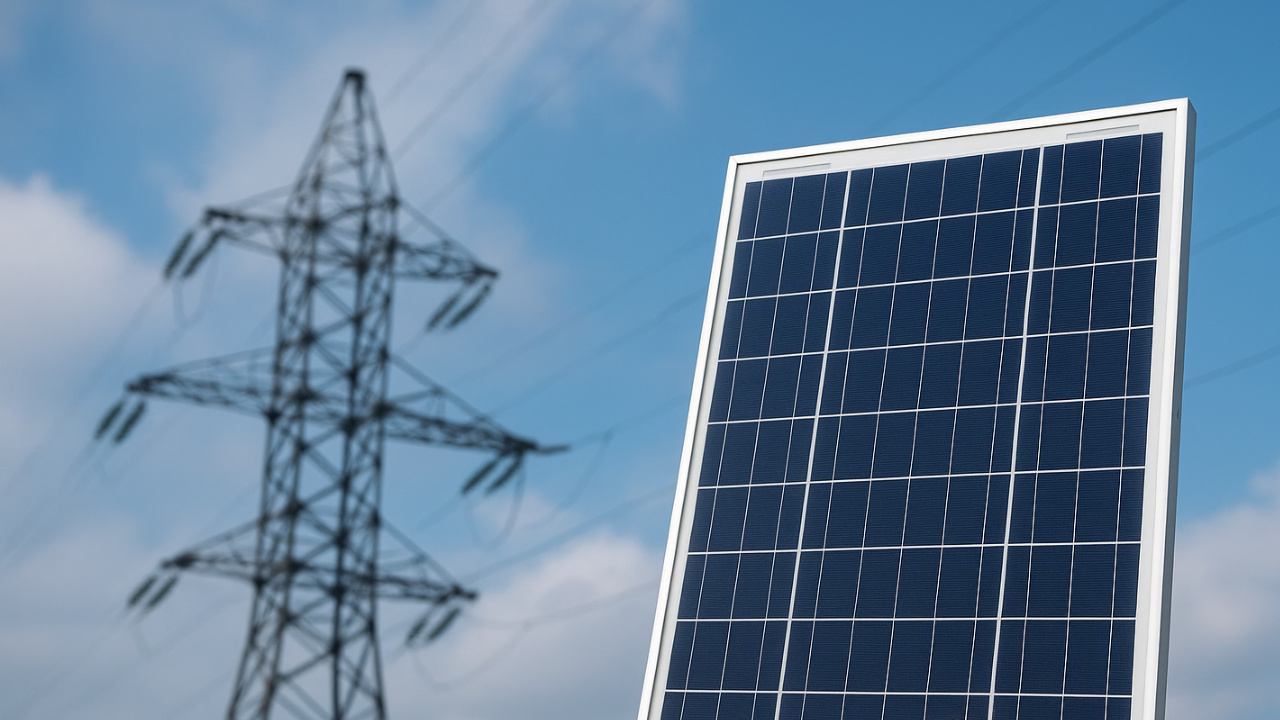

Chamber Commission Approves Inclusion of Consumers Who Produce Solar Energy in Electric Energy Consumer Councils, Modernizing Sector Governance.
The Mining and Energy Commission of the Chamber of Deputies approved a bill that expands social participation in the electricity sector and recognizes the growing role of solar energy in the country. The proposal includes the so-called prosumers — consumers who also produce energy — in the Electric Energy Consumer Councils.
These users, in addition to consuming electricity, generate their own energy, mainly through distributed generation systems with solar energy panels. With the approval, the segment now has direct representation in the bodies that discuss tariffs, supply quality, and consumer rights.
Bill Amends Legislation and Recognizes New Reality of the Sector
The approved text is the Bill No. 1,554/2022, which promotes changes to the Law 8,631/1993, responsible for regulating the participation of consumers in councils linked to the electricity sector. Until now, these councils represented only traditional consumers, divided into categories such as residential, commercial, industrial, rural, and public power.
-
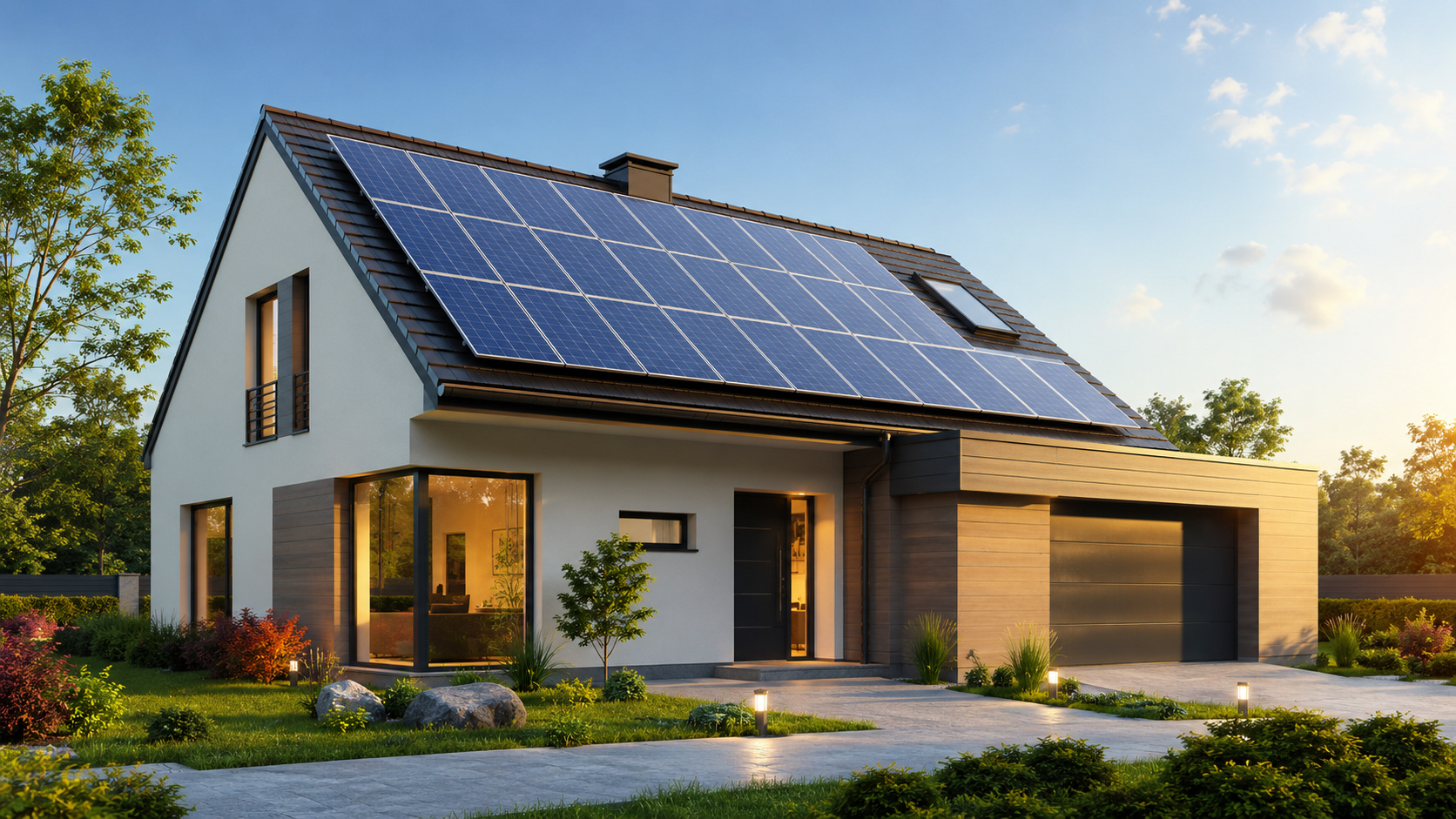
Solar energy can increase property value by up to 10% and become a selling point.

-
Solar and wind energy surpass natural gas for the first time in the world and accelerate energy revolution

-
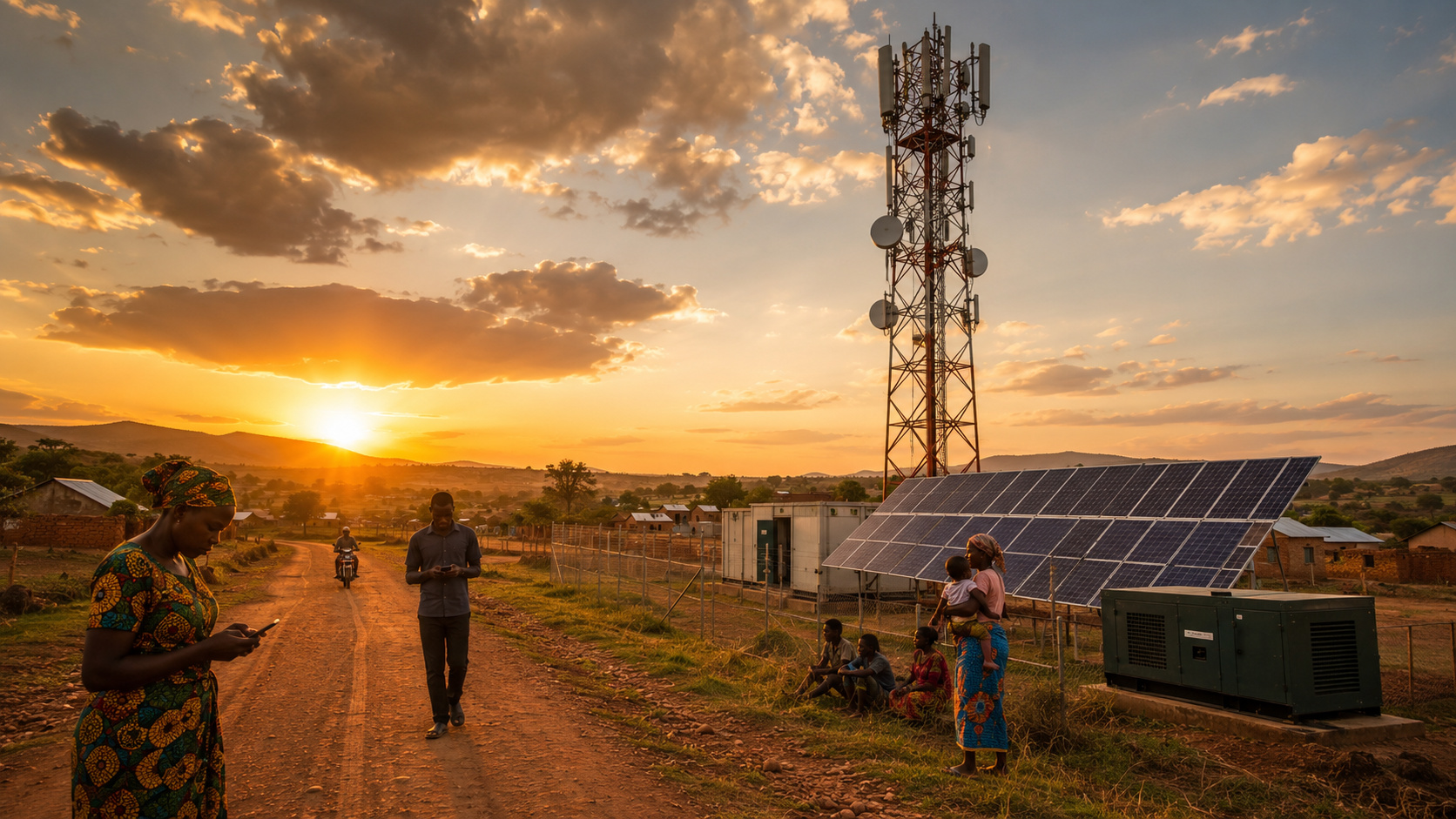
Africa has about 500,000 cell towers and most still burn diesel to operate, while companies rush to cover antennas with solar energy and avoid signal blackouts.
-
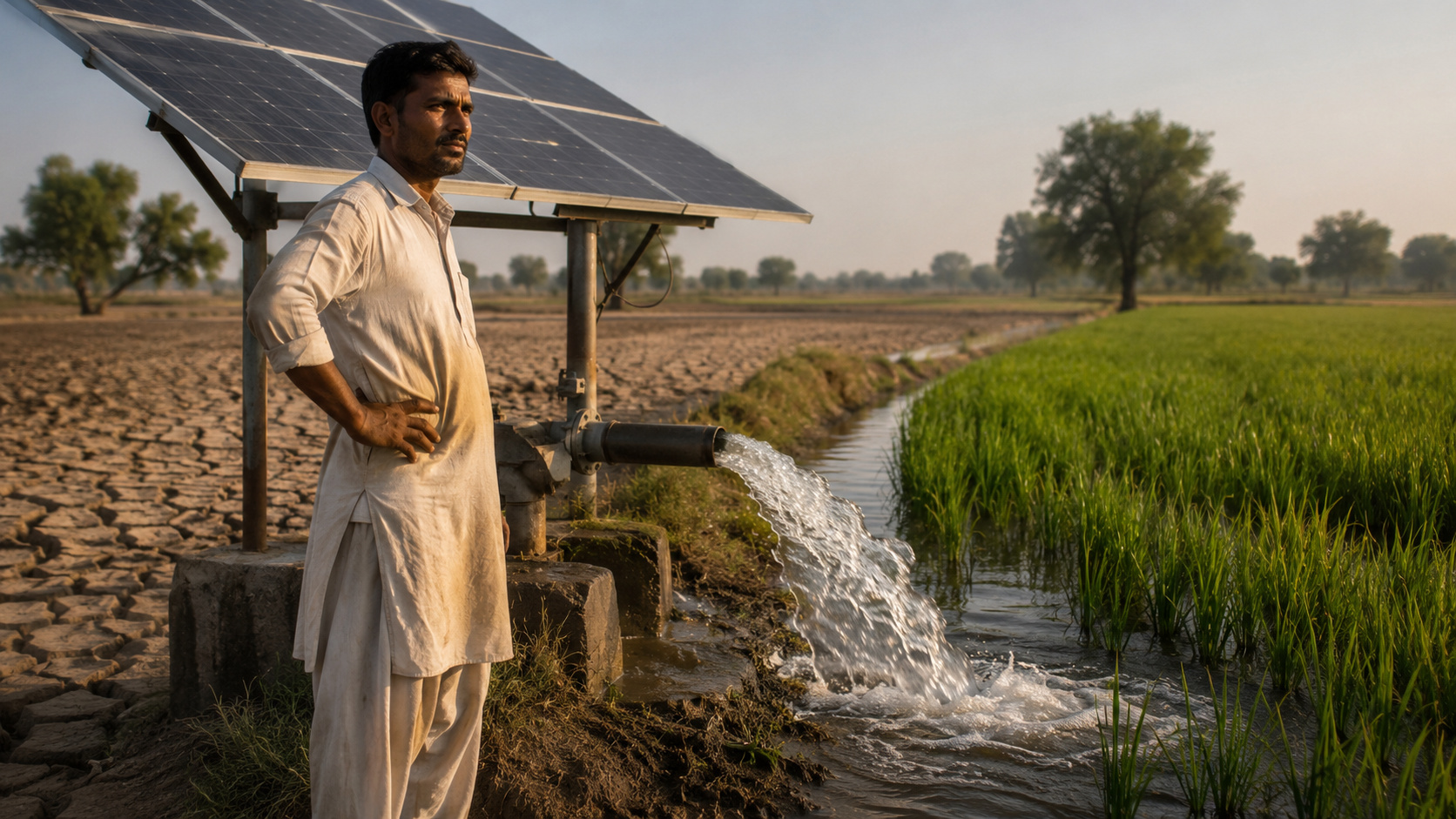
Farmers swapped diesel for solar panels in Pakistan, powered irrigation pumps almost cost-free, expanded rice fields, and now groundwater has become a red alert in the countryside.

The new proposal includes consumers covered by the Law No. 14,300/2022, which established the legal framework for micro and mini distributed energy generation. In practice, this opens space for representatives of those who invest in solar energy and other decentralized renewable sources.
At the recommendation of the rapporteur, Deputy Domingos Neto (PSD-CE), the committee approved the substitute prepared earlier by the Consumer Defense Commission for the project presented by former Deputy Paulo Eduardo Martins (PL-PR).
According to Domingos Neto, the measure updates the governance model of the Brazilian electricity sector and keeps pace with the profound transformations caused by the expansion of micro and mini distributed generation. “This is a measure that strengthens transparency, legitimacy, and balance in discussions on tariffs, supply quality, and consumer rights”, declared the parliamentarian.
Change Prevents Disputes and Keeps Up with Market Evolution
Additionally, the deputies approved a significant amendment to the text. The part that provided for the link of the councils’ composition to Aneel’s tariff classes has been removed. In practice, this change ensures greater flexibility in the system.
With this adjustment, consumer representation automatically tracks the transformations in the electricity sector. Thus, new user profiles, such as solar energy producers, can secure seats on the councils without the need for new legislative changes, reducing the risk of legal disputes.
A significant part of prosumers uses solar photovoltaic energy, a modality that has been rapidly growing in Brazil, especially in homes, businesses, and rural properties. The inclusion of these users in the councils is seen as an important step to balance discussions in an increasingly decentralized sector.
With direct representatives, these consumer-generators will be able to contribute to discussions that are more aligned with the reality of distributed generation, addressing specific challenges and opportunities for regulatory improvement.
Bill Moves to the Constitution and Justice Commission
After approval in the Mining and Energy Commission, the bill will move for analysis, in a conclusive manner, by the Constitution and Justice Commission (CCJ) of the Chamber of Deputies. If approved, the text will still need to pass through the Federal Senate to then become law.
The expectation is that the advancement of the proposal will keep pace with the growth of solar energy in Brazil and reflect the evolution of the profile of electricity consumers in the country.