Portuguese
  Spanish


After Years of Distrust, the Dual Clutch Transmission Reappears in the Brazilian Market with More Efficiency, Performance and Reliability. See How the Technology Has Evolved.
The dual clutch transmission, after years of consumer distrust, is returning to the Brazilian market with new promises of efficiency, performance and reliability.
Manufacturers like Hyundai, Kia and Stellantis are betting on this technology again in 2024 and 2025, incorporating improvements aimed at overcoming past mistakes.
The main reason? To meet the demand for more economical and powerful vehicles in a scenario of stricter environmental regulations.
-
Toyota to Open New Factory in Brazil by November 2026 with $2.2 Billion Investment, Creating 2,000 Jobs, and Ending Corolla Production in Indaiatuba

-
Brazilian Factory Restores Truck Engines and Parts, Reducing Raw Material Use by Up to 85% After 80 Years in Business

-
British Marines Set Record by Changing Ford Escort Engine in 42 Seconds, Unbroken for 40 Years

-
BYD Owners in Brazil Raise Concerns Over Warranty After 87,000 km, Two Repairs in Three Days, and Over $500 in Costs


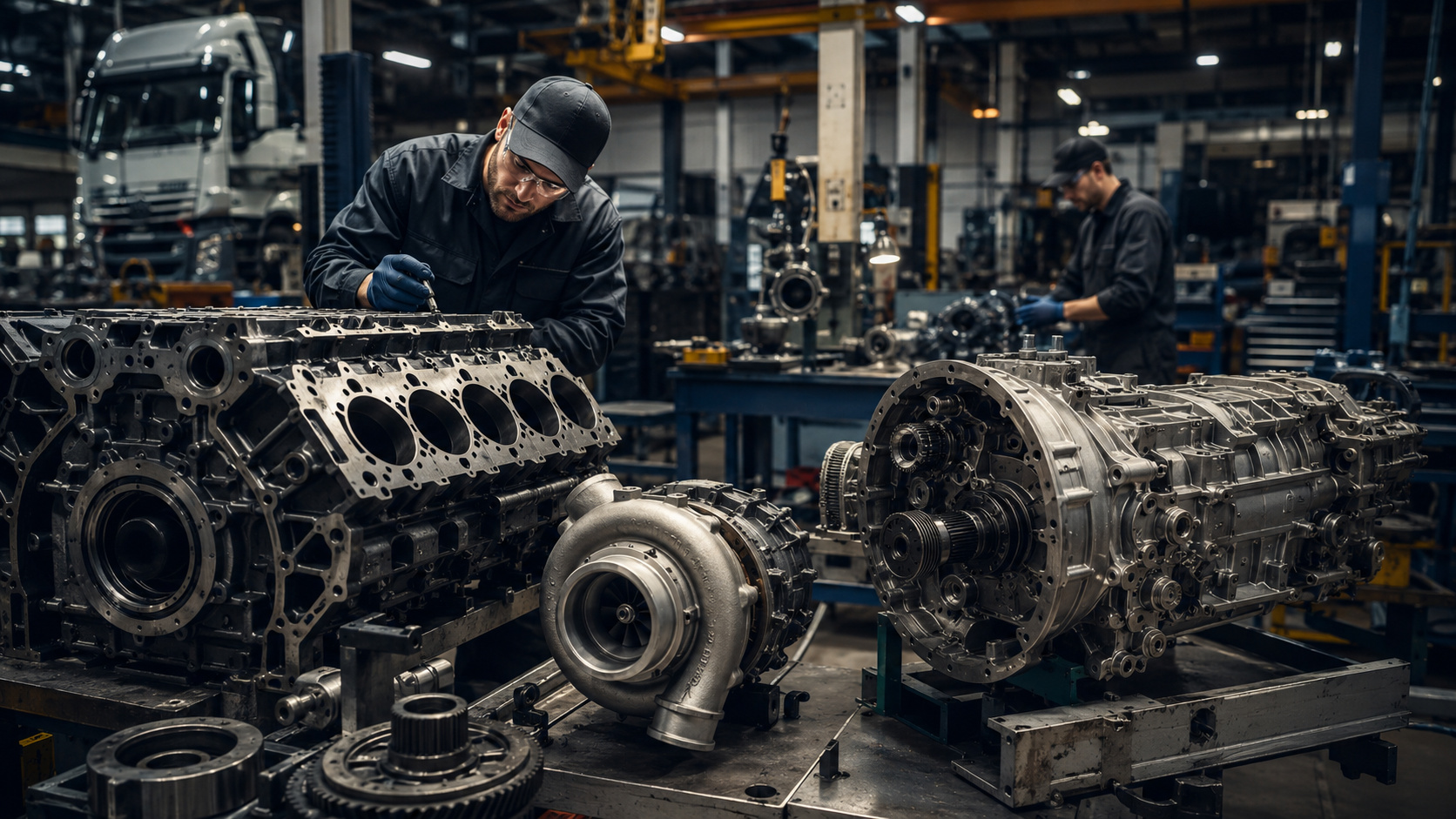


This new phase is marked by the efforts of automakers to optimize the dual clutch transmission, making it a modern and competitive solution against conventional automatic transmissions.
Why Did the Dual Clutch Transmission Return to the Radar?
With global demands for lower emissions and a growing focus on conscious fuel consumption, automakers have turned their attention to more efficient solutions.
The dual clutch transmission offers just that: extremely fast gear shifts, ideal utilization of engine power and less energy loss.
According to AutoPapo, Márcio Tonani, Vice President of Product Development at Stellantis in South America, explained that “the dual clutch transmission operates excellently, with fast shifts and perfect synchronization of the clutches.”
Lessons Learned from the Past
The image of the technology suffered a strong blow years ago due to emblematic cases of failures.
The Ford PowerShift, for example, became known for its jerks and overheating in the Fiesta and Focus models, resulting in lawsuits and a lot of headaches for the automaker.
The DSG from Volkswagen also faced criticism for its dry clutch system.
However, times have changed. Brands like Hyundai guarantee that these issues have been resolved in the new models, such as the Creta with a turbo engine, equipped with the modern DCT.
To reassure customers, the manufacturer offers an extended warranty for the system.
How Does the Dual Clutch Transmission Work?
The main idea behind this type of transmission is the use of two clutches: one manages the even gears and the other handles the odd gears.
This allows the next gear to always be pre-selected, resulting in extremely fast and smooth shifts.
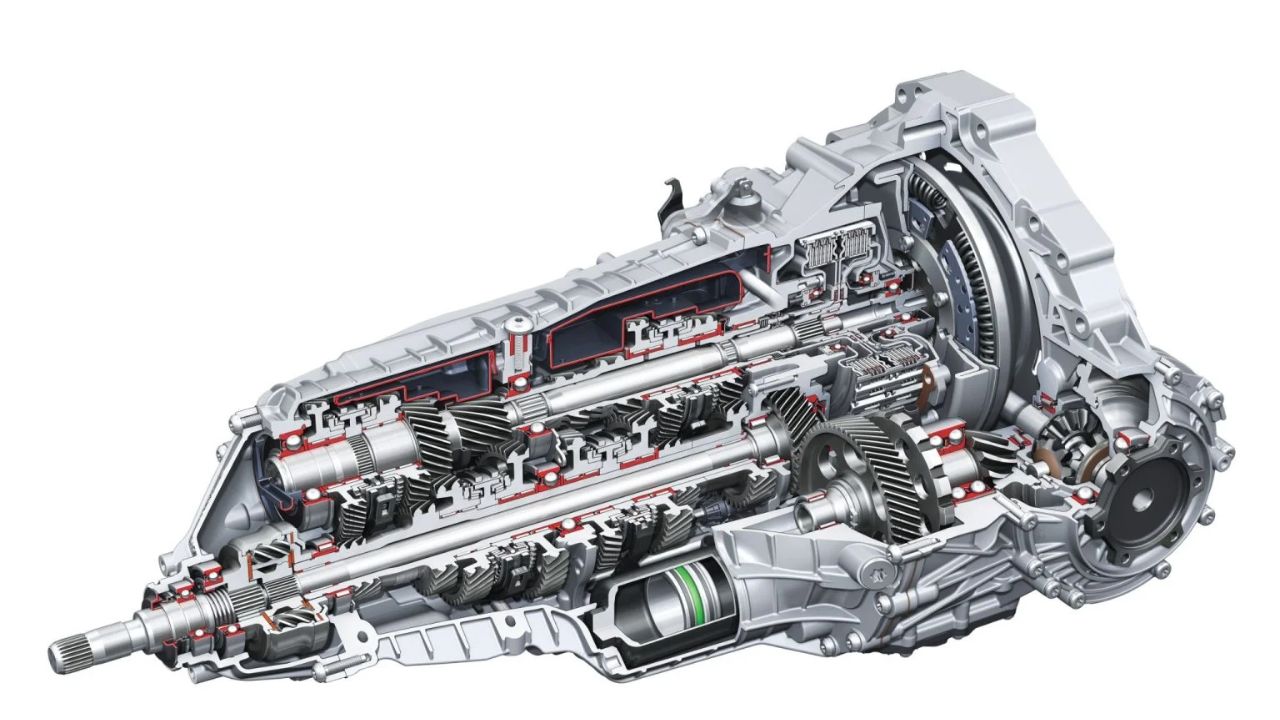
It is a technology that combines performance and efficiency, pleasing both those seeking sportiness — as in the case of the Porsche 911 — and those prioritizing economy, such as in the Renault Kardian 1.0 turbo.
Among the two types of DCT, the version with a wet clutch stands out for being more resistant to heat, ideal for high-performance vehicles.
The dry clutch, while simpler, proves sufficient for urban cars and compact SUVs, with reliability levels that now match traditional automatics.
Important Care with the System
Even with advancements, the dual clutch transmission still requires some basic care to ensure durability.
Experts recommend avoiding keeping the car on inclines only with the accelerator, not letting the vehicle idle for long periods, and avoiding using the brake while pressing the accelerator.
It is also essential to correctly follow the maintenance schedule, especially for used models.
After all, even with careful development, there can always be exceptions that require more detailed maintenance.
New Generation More Reliable and Well Tested
Hyundai and Stellantis are examples of manufacturers that invested heavily in the local development of new transmissions.
In the case of the Creta, the DCT went through 90,000 km of testing in Brazil, considering the real conditions of the country’s roads.
Furthermore, the new system brings improvements such as bearings with less friction and a more simplified electrical set, making eventual repairs easier.
In addition to practical tests, automakers also invest in computer simulations to validate thousands of variables before starting mass production.
For Tonani, the future of the dual clutch transmission depends on one essential point: “The secret is development: if done well, it won’t cause problems. Additionally, there needs to be pricing and parts availability that allow for quick repair.”
After All, Is the Dual Clutch Transmission Reliable?
Despite the bad reputation of the past, the current scenario shows a more mature technology aligned with the needs of the Brazilian market.
If the tests and improvements are strictly followed, everything indicates that the dual clutch transmission does, indeed, have a guaranteed space among future models.
With superior performance and fuel economy as selling points, the dual clutch transmission can regain driver confidence and establish itself as a modern and viable alternative for the coming years.
With information from the website AutoPapo.