






 Portuguese
  Spanish
 3 min of reading
  0 comments


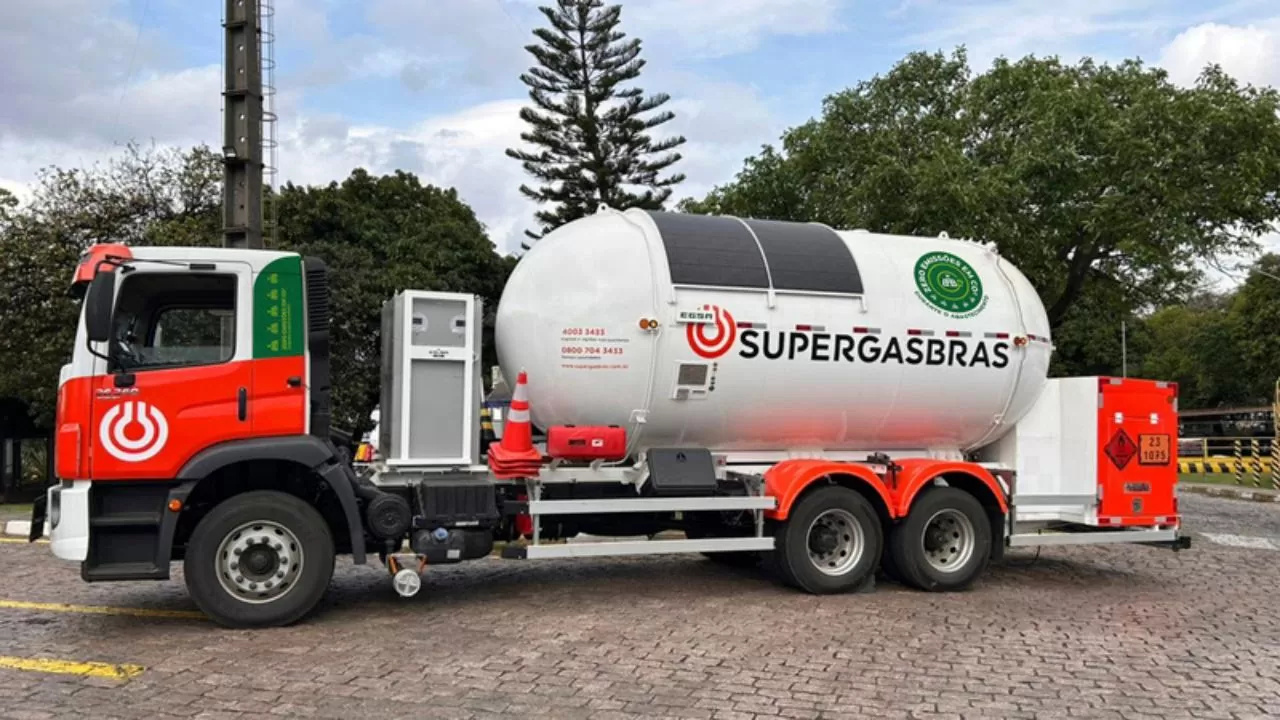
Pilot Project of Supergasbras Uses Solar Energy in LPG Trucks to Operate Pumps Without Diesel, Reduce Emissions and Increase Energy Efficiency in Transport.
The adoption of solar energy in transport is advancing strongly in the gas distribution sector. Supergasbras, part of the SHV Energy group, has initiated a pilot project that promises to transform the way LPG trucks operate their fuel pumps.
The initiative, developed in partnership with EGSA from Brazil, is currently in testing phase on the roads of São Paulo and indicates a new standard of efficiency, savings, and sustainability within energy logistics.
How The Traditional System Works and Why It Is No Longer Sufficient
Currently, the trucks used for LPG distribution depend entirely on the diesel engine to operate the pump responsible for refueling customers. The process occurs via a power take-off connected to the gearbox, which requires the engine to remain on throughout the entire product transfer.
-
Solar energy can increase property value by up to 10% and become a selling point.

-
Solar and wind energy surpass natural gas for the first time in the world and accelerate energy revolution

-
Africa has about 500,000 cell towers and most still burn diesel to operate, while companies rush to cover antennas with solar energy and avoid signal blackouts.
-
Farmers swapped diesel for solar panels in Pakistan, powered irrigation pumps almost cost-free, expanded rice fields, and now groundwater has become a red alert in the countryside.




This method, in addition to continuously consuming fuel, generates direct CO₂ emissions, contributing to the environmental impacts associated with the logistics chain. For this reason, the search for cleaner alternatives has become urgent — and the solar energy project emerges as a concrete response to this need.
Photovoltaic System Reduces Emissions and Allows Operation With Engine Off
The solution created by EGSA uses solar panels installed on the top of the transport tank. These panels capture solar light along the route and convert it into electrical energy, which is stored in an independent battery located behind the truck cabin.
This battery also receives excess energy from the alternator during travel, thereby powering an electric motor dedicated to operating the LPG pump. As a result, the entire refueling process can be performed with the truck completely turned off — eliminating diesel consumption and, consequently, CO₂ emissions.
Additionally, the energy generated by the solar panels is exclusively used for the pump operation, ensuring efficiency and less wear on the system.
Technology Reinforces Environmental Commitment and Opens Path for Expansion
According to Fabiana Simões, Logistics Manager at Supergasbras, the project symbolizes the transition to cleaner and more innovative practices within the company.
She emphasizes that the initiative is aligned with SHV Energy’s global strategy, which seeks to reduce environmental impacts and accelerate the use of renewable technologies in its operations.
After the testing phase, the company will assess the performance of the prototype and determine the possibility of expanding the system to other vehicles in the fleet.
The initiative could mark a turning point in the sector, as it demonstrates that solar energy, in addition to being a renewable source, can also be practically applied in large-scale logistics operations.







Be the first to react!