





 Portuguese
  English
  Spanish
 3 min of reading


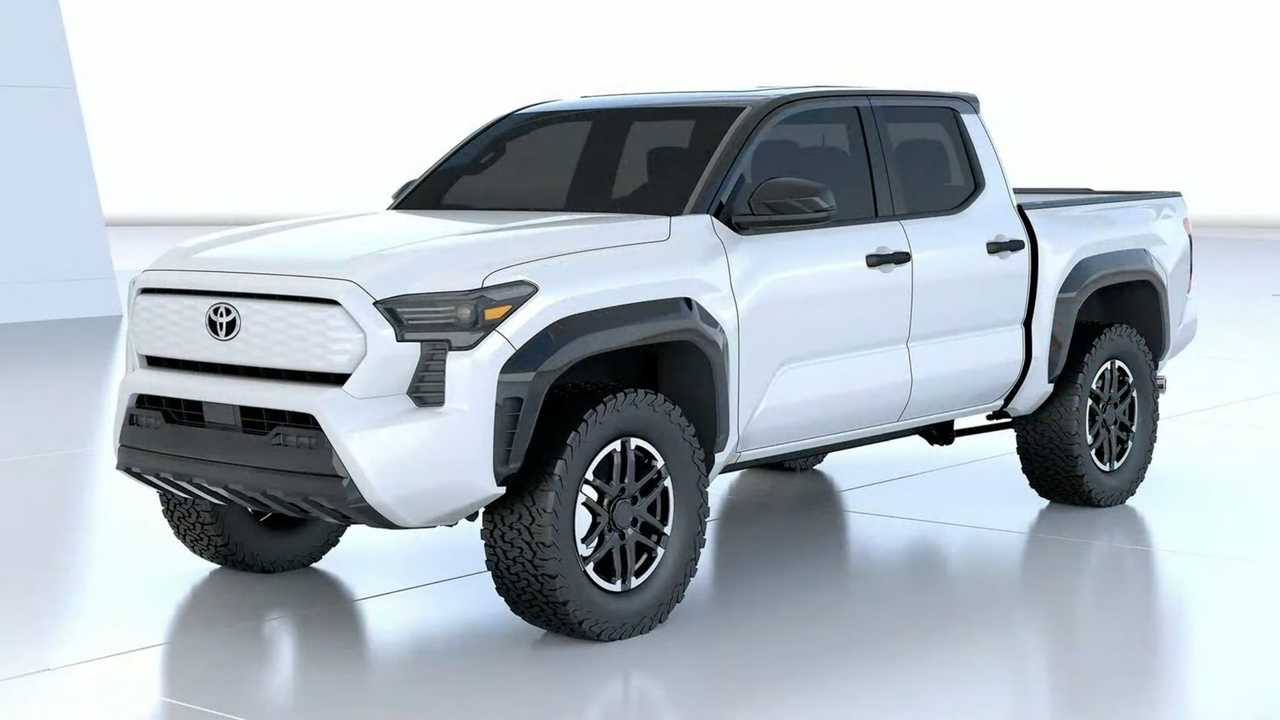
Toyota Even Tried to Avoid the Electric Car Rush, but Ultimately Gave in to the Trend and Launches the All-Electric Toyota Truck, the Future Tacoma – a Model the Same Size as Our Hilux, Sold in Other Markets – and Fully Off-Road.
Knowing the importance of the electric car market and the great competition among brands to dominate this sector, the Japanese company could not stay out, initially stating that it would not join the all-electric Toyota truck. However, it was not possible to stay away from this trend.
Know the Specifications of the Future All-Electric Toyota Truck
The all-electric Toyota truck will feature large tires and impressive approach and departure angles.
As it is a prototype, there are no specifications regarding size, engine, and equipment that the model possesses. However, the project may disrupt the brand’s new design philosophy for a new generation of pickups – including the Hilux itself – which will gain a new generation in 2024.
-
Used Citroën cars catch attention for offering efficient engines, interior space, and features like multimedia centers, rearview cameras, and airbags, with prices starting at R$ 44,000. Discover models like C3, C4 Cactus, Basalt, and C3 Aircross and understand why they are worth it in 2026.

-
Brutal 6×4 motorhome by Serro carries an entire car on the back of the truck, has 320 horsepower, and runs 100% on diesel, even in the toilet that incinerates waste and turns it into powder.

-
243-horsepower hybrid SUV with a 560-liter trunk arrives for less than 200,000 reais, directly targeting the top-of-the-line versions of Japanese and Korean rivals in the Brazilian market.
-
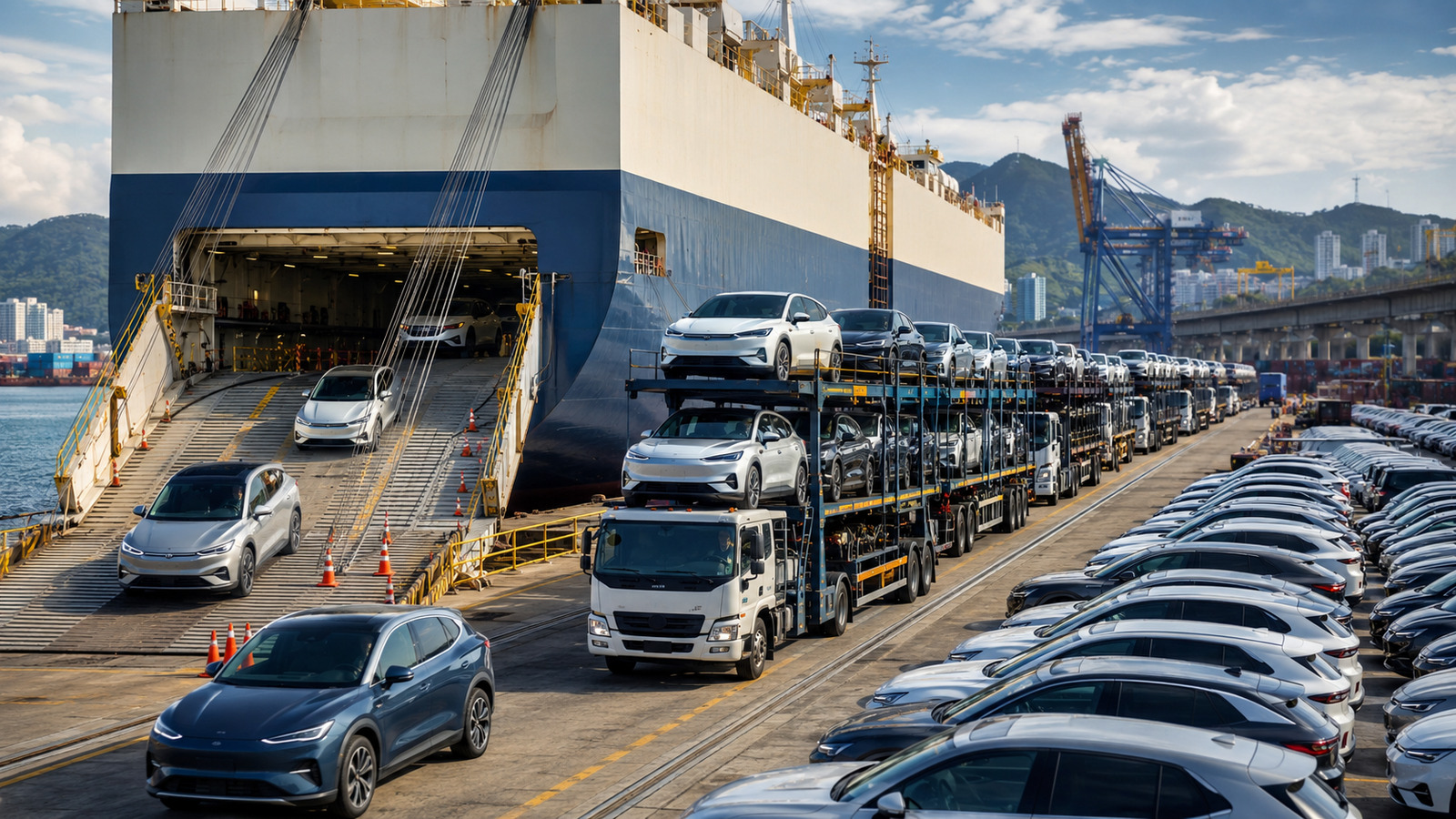
Chinese automakers race against a 35% tax, accelerate the race against time, and hastily unload thousands of cars in Brazil, with BYD mobilizing 90 car carriers and Geely reinforcing lots before the end of quotas.



Furthermore, it shows that the manufacturer is betting on entering the electric pickup segment, which already includes Hummer EV, Tesla Cybertruck, and Rivian R1T.
Before showcasing a prototype of the all-electric Toyota truck, the manufacturer argued that the transition to electric vehicles was “overestimated.”
As a result, Japanese brands focused investments on hybrid technology in recent years. It took a while to launch its first 100% electric car. However, manufacturers’ strategies have changed. In addition to the 16 Toyota and Lexus prototypes on display, including pickups, SUVs, sports cars, urban cars, and mobility solutions, the brand has committed to selling 3.5 million zero-emission vehicles by 2030.
What Are Electric Cars?
Electric vehicles are becoming a sustainable alternative to fossil fuel-powered vehicles – non-renewable natural resources (oil, gas, and coal). The main benefit is that they emit no polluting gases and, therefore, are less harmful to the environment. In Brazil, public transport uses electric buses (trolleybuses).
Electric cars operate on electricity instead of burning fossil fuels. The mechanism relies on four basic components: drum; inverter; induction motor; energy recovery system.
The rechargeable batteries store the electrical energy that will be used to make the car function. In turn, the inverter converts DC energy to AC energy, which is then fed by the induction motor. Thus, electricity powers the motor mechanism, turns the wheels, and moves the car.
By not burning fuel, cars make no annoying noises and produce no pollutants. Furthermore, the use of electricity allows for better energy utilization, as there is less friction in the motor mechanism compared to a gasoline engine. Therefore, the car’s acceleration feels lighter, which is beneficial for driving. In this sense, energy recovery systems emerge as an additional economic advantage. In a regular car, energy is wasted in the form of heat during braking. But in an electric car, this energy returns to the battery in the form of electricity.





Be the first to react!