Portuguese
  Spanish


Discovery in Swedish Bog Reveals Neolithic Bridge, Walking Sticks, and Baskets Preserved for 5,000 Years, Now Recreated in 3D for Tourists
Archaeologists in Sweden have unearthed a natural time capsule in a bog over 5,000 years old. Among the objects found are perfectly preserved wooden walking sticks, baskets, and structures dating back to the Neolithic period.
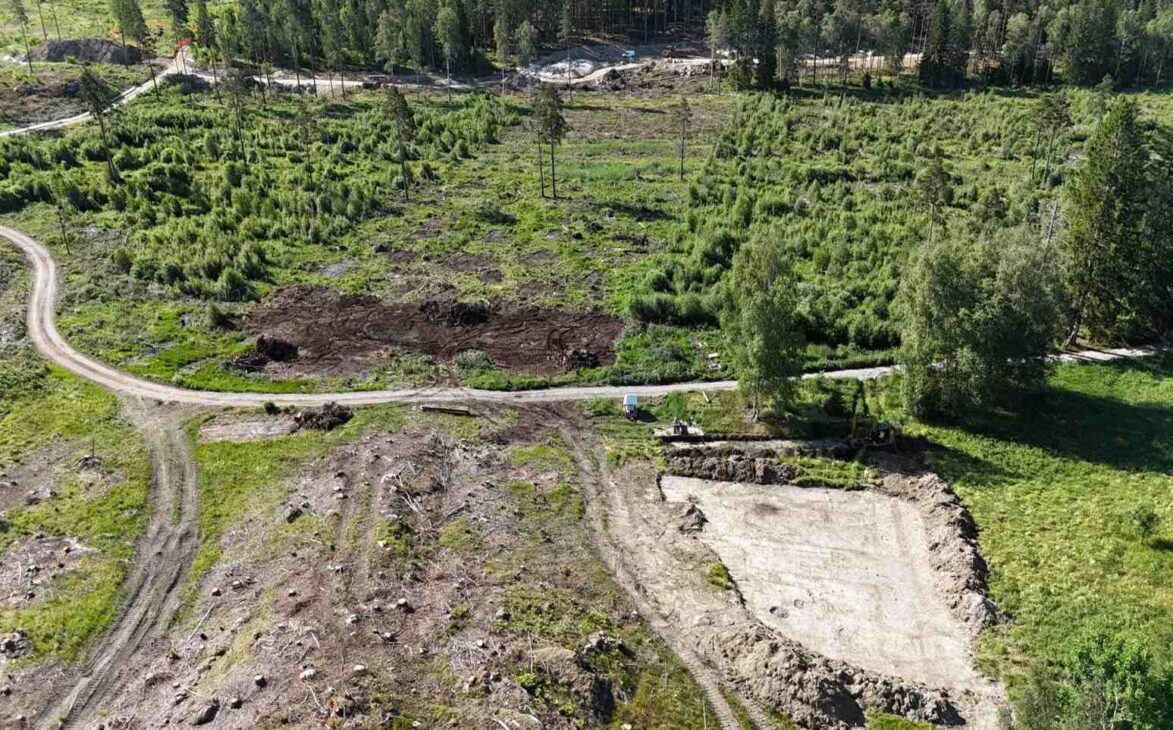
The find occurred in Gerstaberg. There, researchers located remnants of passages built by hunter-gatherers.
Logs, piles, and willow formed a kind of bridge over an ancient lake.
-
Apple Raises MacBook and iPad Prices as Memory Costs Surge by Up to 98%, Losing Edge Over Rivals and Highlighting AI Boom’s Impact on Consumers

-
China Establishes State Centers to Train Humanoid Robots, While the West Lags Behind with Makeshift Solutions
-
The Trap of Modern Technology: How Screen Overload and Digital Connections Can Impact Your Mental Health and Well-being
-
Wyoming Couple Grows Tropical Fruits Year-Round in -40°C Using Geothermal Greenhouse, Demonstrating Earth’s Heat Can Produce Oranges and Lemons in Snow Without Traditional Heating





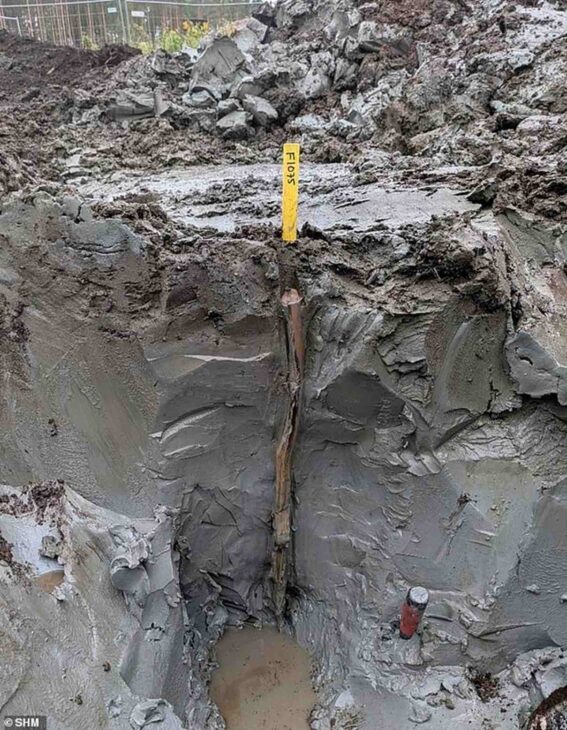
According to Arkeologerna, Sweden’s leading archaeology consultancy, these structures were used to cross flooded areas and access specific points in the region.
The specialists also found pieces of carved wood, used as walking sticks, as well as fragments of baskets and possible fishing nets.
Natural Preservation
The conditions of the bog ensured the rare preservation of these materials. The environment is oxygen-free and has a pH similar to vinegar.
Thus, acids preserve wood, leather, and even human flesh, as seen in famous bog bodies from Europe.
These features allow fragile objects to withstand thousands of years. The excavated material remained in its original position, making digital reconstructions easier.
Digital Project
According to Arkeologerna, the remains of the bridge can be reassembled in 3D. Tourists and students will have the opportunity to take a virtual walk through the Stone Age.
“When the project is completed, the wooden structures and the surrounding environment will be recreated in 3D,” said a team spokesperson to the Heritage Daily website. Videos and social media content will also be part of the initiative.
Life in the Neolithic
Archaeologists believe the site was used by hunter-gatherer communities.
This behavior predates the widespread adoption of agriculture, a change that transformed how human groups lived.
At that time, the area was covered by a lake surrounded by sea buckthorn. This orange-fruit-bearing plant was an important food source.
Rich in nutrients, it is still used today as a superfood, although it has an acidic and astringent taste.
Baskets and Fishing
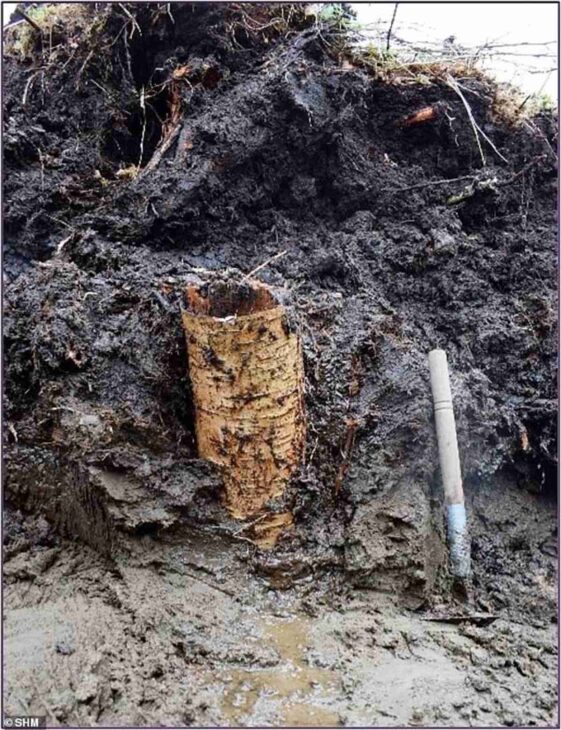
The fragments of willow found indicate basket production. They were used to carry fruits or fish obtained from the lake.
In addition, experts suggest that the log bridge facilitated access to areas for harvesting the spiny plant.
This walkway system reveals an unexpected level of sophistication for communities of the period, as it demonstrates planning in environmental exploitation.
Bogs as Time Capsules
The preservation observed at the site reinforces the archaeological value of bogs in Northern Europe. These are areas rich in peat, which contain little oxygen and hinder decomposition.
Thanks to this, organic remains can survive for centuries without rotting. Fabrics, leather, and even human bodies can remain intact.
This has already been documented in various countries, with findings that surprise due to their state of preservation.
Cultural Mystery
It is still unclear which exact group used the Gerstaberg site. However, similar activities have been attributed to the Pitted Ware culture, or PWC, in nearby regions.
This archaeological tradition developed between 3500 BC and 2300 BC in Scandinavia. Members were specialized hunter-gatherers focused on marine resources.
Pitted Ware Culture
The culture’s name comes from its distinctive pottery. The pieces were decorated with deep cavities around the edge, creating an unmistakable style.
Despite the expansion of agriculture in Europe, the PWC remained focused on seal hunting and fishing. Additionally, they undertook long journeys across the Baltic Sea, establishing trade networks.
Contact with Farmers
Over time, hunter-gatherers and farmers came into contact. Two hypotheses exist: either the technologically advanced farmers replaced the hunters, or a peaceful fusion between cultures occurred. In this case, the hunters would have incorporated agricultural techniques.
Evidence of this exchange includes stone tools, animal remains, and clay fragments showing the circulation of materials between Sweden, Denmark, and Finland.
This mobility indicates that the groups were not isolated but were part of broader interaction networks.
A Link to the Past
The discovery at Gerstaberg broadens understanding of Neolithic life in Northern Europe. The objects, preserved as if in brine, offer a rare portrait of the daily life of hunter-gatherers.
Additionally, the digital reconstruction will allow the public to see how the log bridge functioned. Thus, science and technology come together to keep alive a story buried for thousands of years.