Portuguese
  Spanish


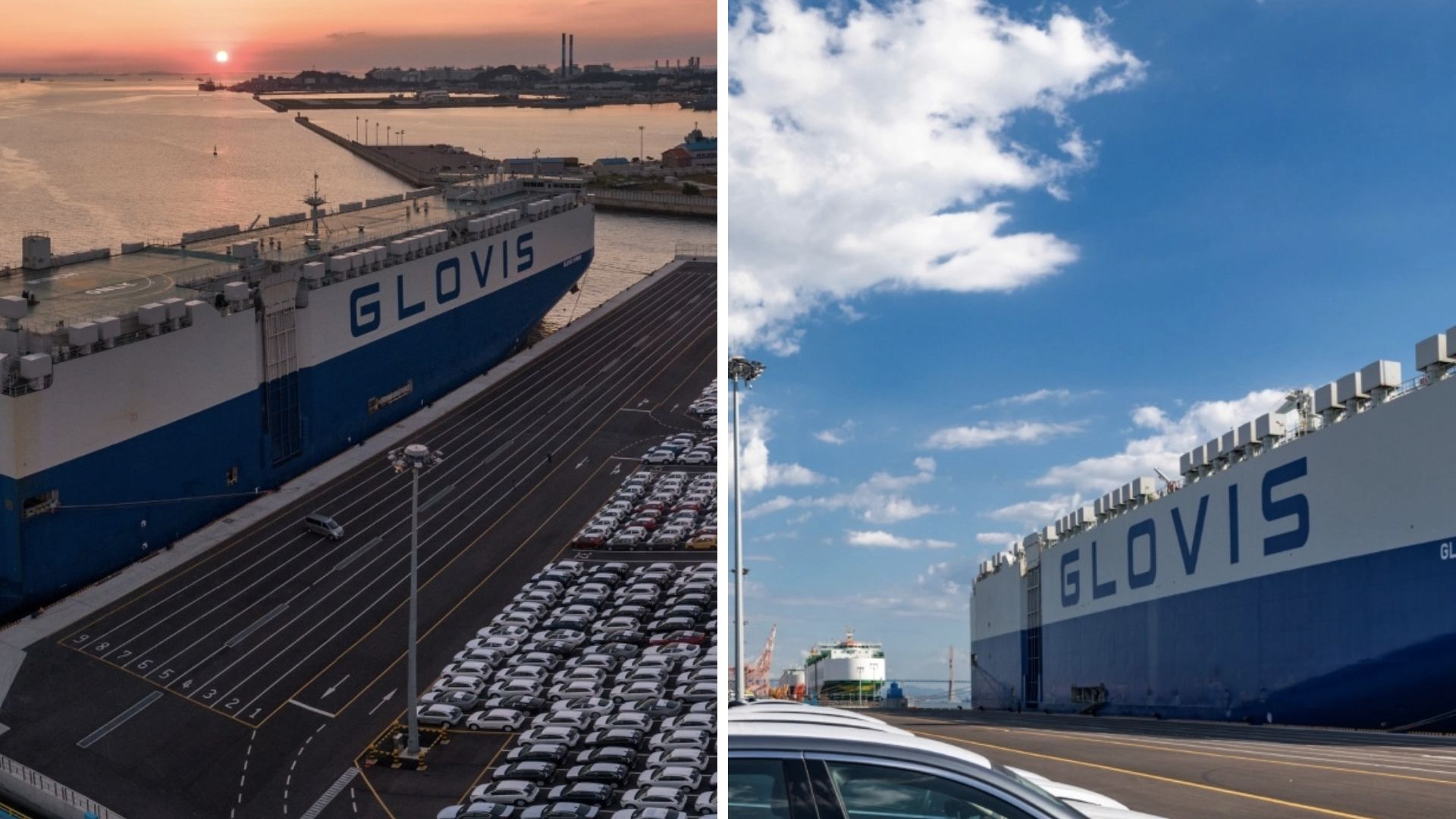

Study conducted by Lloyd’s Register, Hyundai Heavy Industries, Korea Shipbuilding and Offshore Engineering and partners evaluated how a small modular molten salt reactor could be integrated into a vehicle carrier ship, considering internal layout, shielding, stability, load, safety, and maritime operation.
A Ship carrying cars and trucks can accommodate a small modular molten salt reactor, following a study that confirmed the conceptual feasibility of the physical and operational integration of this technology in a PCTC vessel.
Ship with reactor required analysis of layout, weight, and load
The evaluation involved Lloyd’s Register, Hyundai Heavy Industries, Korea Shipbuilding and Offshore Engineering, and other companies interested in the application of an advanced SMR in large vehicle carrier ships.
The work examined the internal arrangement of the reactor, the segregation of systems, shielding requirements, and the impact on the cargo deck. Changes in vehicle transport capacity were also evaluated.
-
AI Video Generator Automatically Creates Subtitles and Animated Captions

-
São Paulo Unveils Latin America’s Largest Underground Reservoir, Holding 900 Million Liters, in the Greater São Paulo Area

-
Chinese Teen Wins Gold in Germany for Invention Turning Air Moisture into Underground Irrigation in Drought-Stricken Areas

-
Desertification Threatens Brazil’s Caatinga: 85% of Semi-Arid Region Affected, 30 Million at Risk, and Efforts Underway to Restore 10 Million Hectares by 2045




Another central point was the stability of the vessel. The study considered weight effects, reactor positioning, and trimming, essential factors to understand how the installation would influence the ship’s performance.
Nuclear propulsion is still in the initial phase
Maritime nuclear propulsion was treated as a technology in the early stage of development. Even so, the project sought to gather technical knowledge to support future advances in the sector.
The propulsion system configuration, energy delivery, and operational flexibility were evaluated in light of PCTC ships powered by conventional fuels, which may face restrictions on commercial routes and port scales.
Safety and risks were a central part of the study
Lloyd’s Register conducted the hazard identification and preliminary risk assessment. The focus included containment, onboard safety systems, and possible operability restrictions of nuclear technology at sea.
Hyundai Heavy Industries points to SMR-powered ships as an alternative in the face of stricter environmental rules and the absence of a definitive zero-carbon emission fuel.
KAERI considers the study relevant for evaluating a maritime SMR of the MSR type in a specific vessel. The result reinforces the technical analysis of the application in real operating conditions.
Comment on what you think of this proposal for maritime transport: a ship capable of operating with a small modular reactor may represent technological advancement, but it also raises questions about safety, regulation, ports, and public acceptance.