






 Portuguese
  Spanish


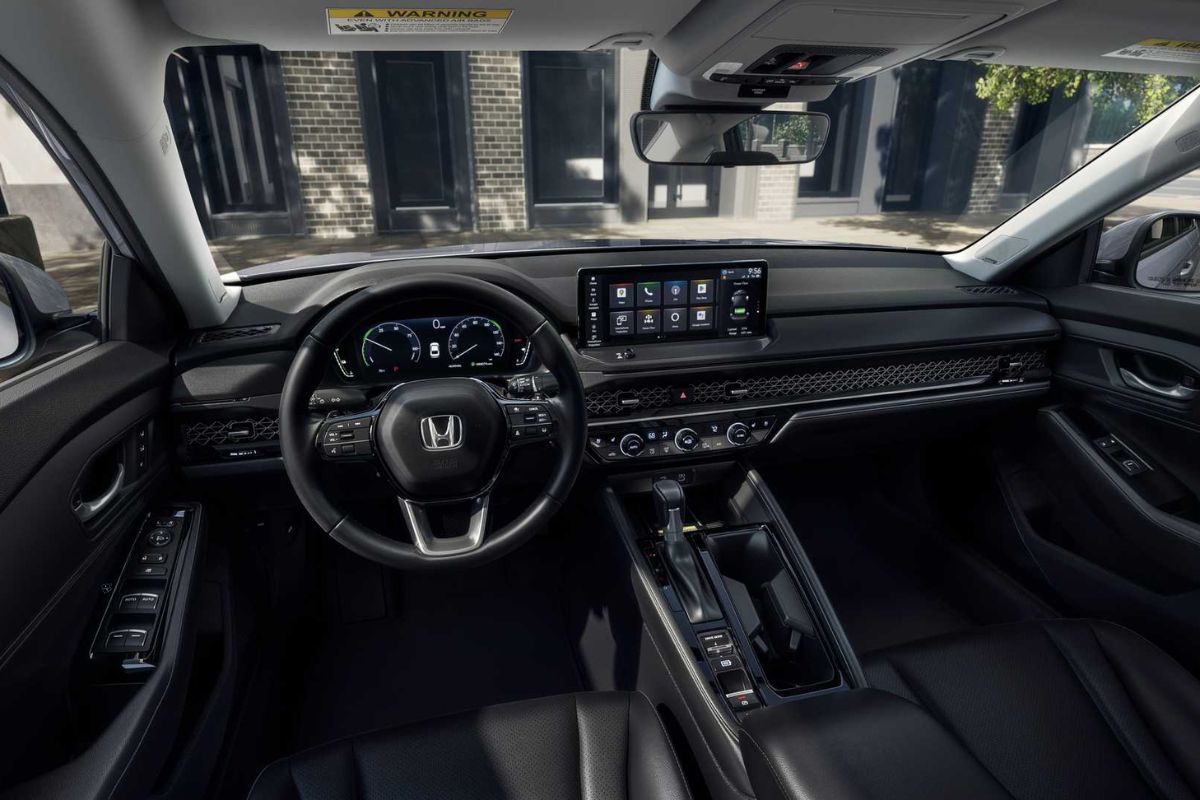


Luxury Cars Devalued in 2025 Opened a Window of Opportunity for Consumers Seeking Sophistication Paying Prices of Premium Popular Models.
The luxury cars devalued in 2025 reveal an atypical movement in the Brazilian automotive market. According to a market survey cited by Legal Governance, electric vehicles and high-end models lost in some cases more than 37% of their value in just 12 months. This decline is explained by three main factors: the lack of charging infrastructure, the scarcity of parts, and the rapid pace of technological evolution, which quickly renders recent models obsolete.
For consumers, this reality transformed what was seen as a loss into an opportunity. Cars that cost above R$ 200 thousand in 2024 can now be found for less than R$ 150 thousand, allowing access to the premium segment at unprecedented prices in the country.
Who Else Lost Value in the Market
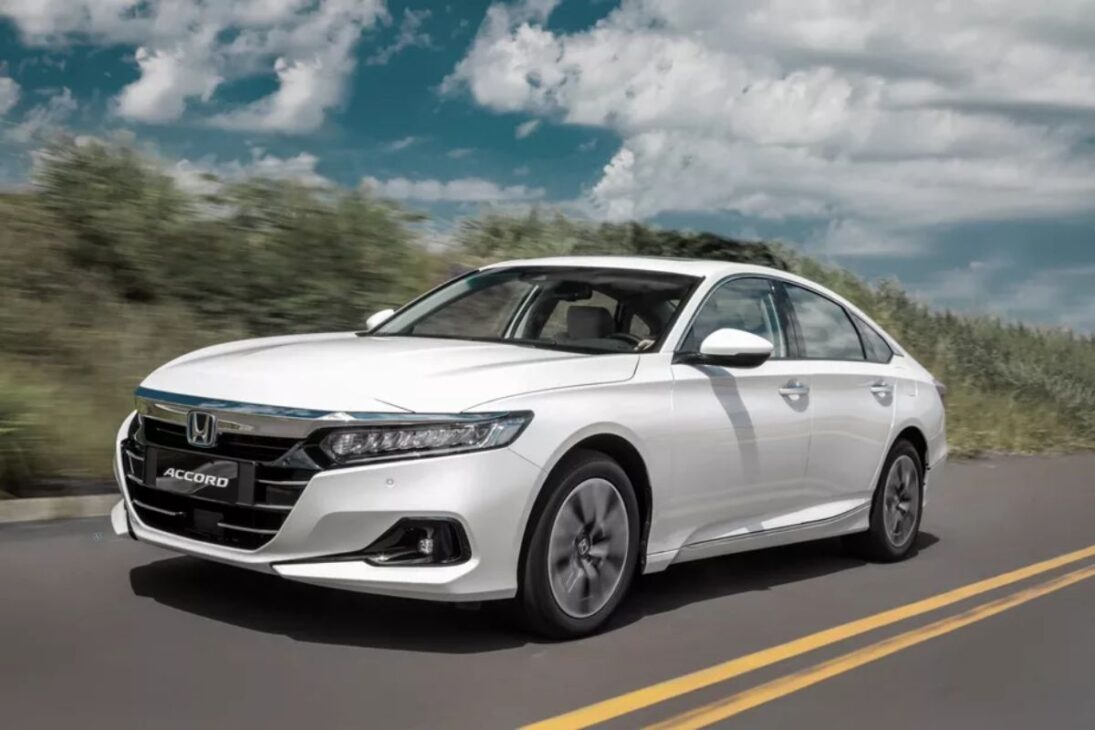
Among the most affected models are electrified SUVs and sedans.
-
Nissan Discontinues Qashqai SUV Amid Cost-Cutting, Chinese Competition, and Product Line Review

-
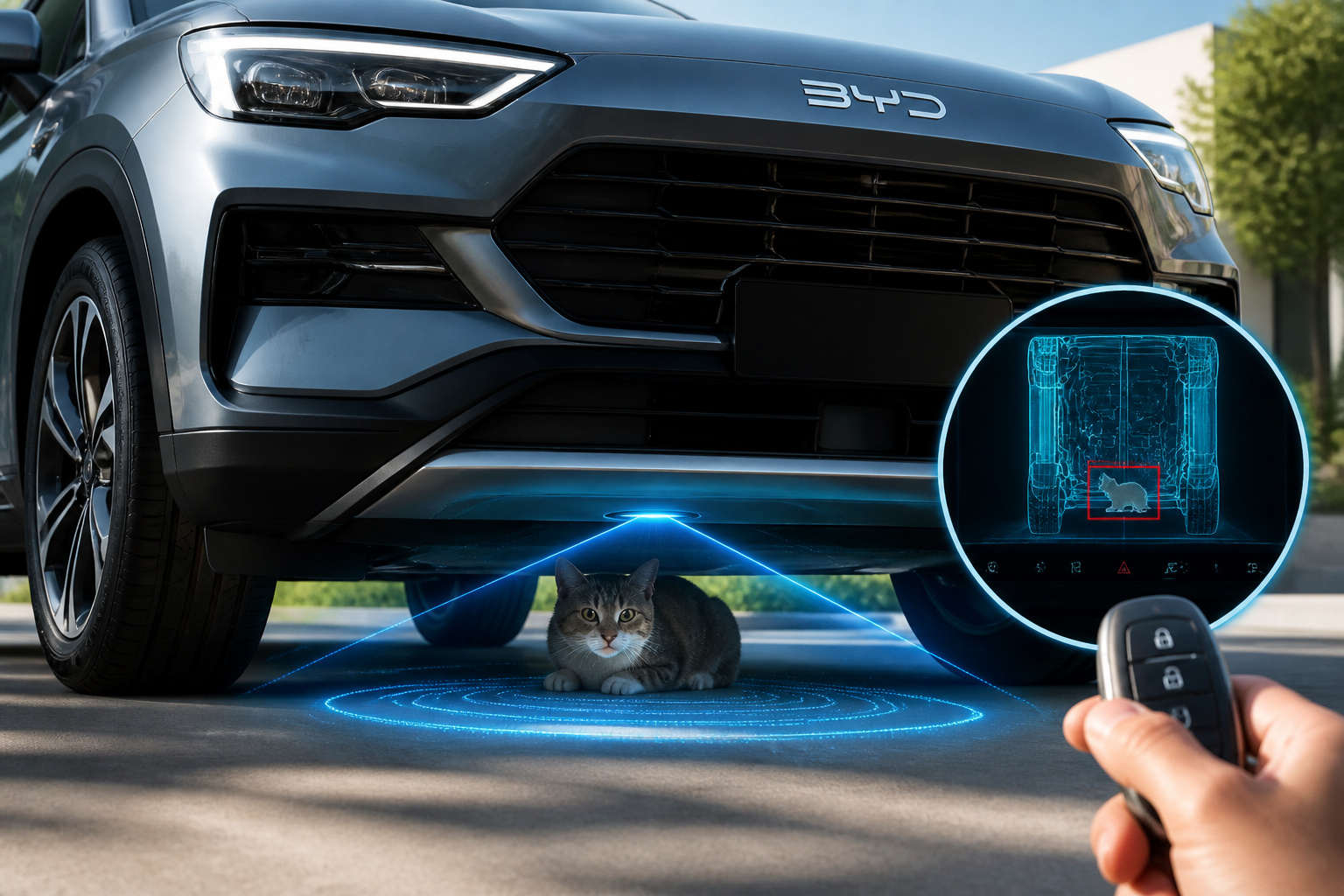
BYD Patents Revolutionary System Using Computer Vision to Detect Animals Under Cars Before Starting, Preventing Tragedies

-
Study Reveals Why Cars Are More Expensive to Produce and Buy in Brazil Compared to Mexico, Highlighting Taxes, Logistics, and Industrial Costs as Key Factors.
-
Toyota to Open New Factory in Brazil by November 2026 with $2.2 Billion Investment, Creating 2,000 Jobs, and Ending Corolla Production in Indaiatuba




The JAC E-JS4 leads with a 37.5% devaluation, followed by the JAC E-JS7, with over 30% drop, and the Renault Kwid E-Tech, which lost 25%.
Even traditional luxury options, such as the Honda Accord Hybrid and the Mini Countryman Electric, recorded declines above 20%.
In practice, this means that a car valued at R$ 230 thousand in 2024 can be negotiated in 2025 for around R$ 145 thousand, putting sophisticated vehicles within reach of consumers who previously did not consider the segment.
Where Are the Buying Opportunities
The used car market has become the main space to take advantage of these offers.
Multi-brand stores and digital platforms highlight models with low mileage and maintenance history at dealerships.
However, the price drop is not uniform: metropolitan regions concentrate the greatest opportunities, while medium and small cities still have slow resale.
For specialists, the moment favors attentive buyers, willing to research and compare conditions.
Those looking for luxury electric or hybrid SUVs may find options at prices close to a base model brand-new car.
Why Did Luxury Cars Devalue So Much
According to analysts, the high devaluation originates from three combined factors.
The first is the maintenance and insurance costs, which are usually above the market average.
The second is the low liquidity, as some consumers fear the difficulty of resale.
The third is the policy of the manufacturers themselves, who discontinued or reduced production of certain models, increasing the perception of risk.
Together, these elements explain why luxury cars devalued in 2025 became synonymous with opportunity for some and frustration for others — especially families who purchased brand-new electric cars in 2024 and now see losses of almost 40% in resale value.
Is It Worth Investing in a Devalued Model?
The answer depends on the buyer’s profile.
For those seeking comfort, status, and technology at a reduced price, the price drop is extremely advantageous.
On the other hand, for those considering a future resale, the risk is high: it may be difficult to find buyers, and the trend of devaluation has not yet been reversed.
Another point is the expectation for the coming years.
If charging infrastructure in Brazil advances, it is possible that some of these models will recover some of their lost value.
Until that happens, consumers should enter this market with financial planning and a willingness to cover high maintenance costs.
The luxury cars devalued in 2025 represent the greatest opportunity of the decade for those dreaming of driving a sophisticated used vehicle for less than R$ 150 thousand.
But this choice also requires caution: what is cheap today may not be valued tomorrow.
Would you buy a devalued luxury car in 2025, or do you consider the maintenance and resale risks too high? Have you ever experienced this in the used market? Share your opinion in the comments — we want to hear real stories from those benefiting from (or struggling with) this transformation in the automotive sector.





Carro é sonho de consumo e prazer, desinvestimento pq seja qual for perde se $,isso é público e notório, quem pode compra zero e desfruta,quem não pode esperar o comprador trocar por um mais novo e compra o usado!!
Queria saber onde tem estes preços .
Carros é investimento e oportunidade de negócios somente para lojistas e para as concessionárias, já para particular é utilidade e/ou sonho de consumo. Por mais nítido que seja a desvalorização, sempre haverá interessados na compra por mais caro que seja a marcas e modelos.
A queda de carros premium no mercado varia muito de acordo com a procura, pois sempre terá ofertas atrativas para se comprar.
Carro não é investimento, mas ninguém vai comprar um, pensando em revendê-lo por muito menos do que pagou. Não por outro motivo, a Toyota hoje é a referência em carros, à nível mundial.