Portuguese
  Spanish


New technology may reduce the dependence on large cranes in the installation of offshore wind turbines.
The installation of offshore wind turbines could undergo a significant transformation in the coming years. Engineers from Norway have completed tests of a new solution that eliminates the need for the largest crane-equipped vessels, currently considered essential for moving structures weighing up to 2,500 tons. The proposal aims to reduce costs and expand the available options for offshore wind energy projects.
The advancement comes at a time of expansion in energy generation in the maritime environment. Since the foundations of the turbines need to be positioned up to 60 meters deep, the operation typically relies on specialized vessels capable of lifting extremely heavy loads. Today, there are only five such ships worldwide.
How does the new solution replace the use of cranes?
Instead of investing in increasingly larger lifting equipment, the researchers decided to take a different path.
-
Scientists Develop Needle-Free Insulin That Penetrates Skin, Reduces Glucose in Animals Within an Hour, Paving the Way for Diabetes Patches and Creams for Humans

-
After 40 Years of Research, Powdered Coconut Water to Be Produced in Brazilian Biorefinery, Aiming to Revolutionize Health for Children, Elderly, and Hospital Patients
-
Queen Guitarist Brian May Collaborates with ESA Scientists to Study Asteroids Bennu and Ryugu Using 3D Simulations
-
Largest Known Single-Piece Meteorite, Weighing 60 Tons, Puzzles Scientists with Its Intact Fall and Lack of Visible Crater


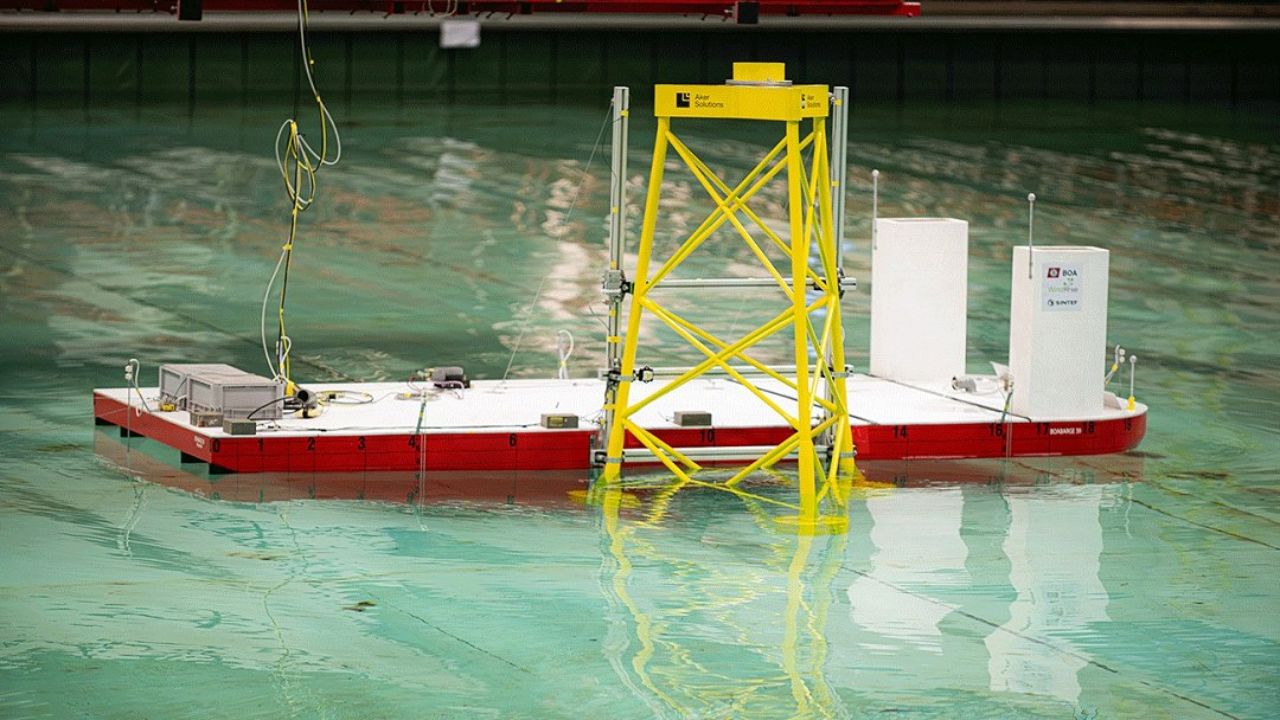
The strategy was based on a vessel with unusual dimensions. The barge is 166 meters long and over 73 meters wide. Additionally, it can be partially submerged, allowing its deck to be 22.5 meters below the water surface.
With this system, the structures intended for the turbines can be moved without directly relying on a huge maritime crane.
According to those responsible for the project, the vessel’s configuration itself creates conditions to transport and position the components more efficiently.
Tests indicate viability for future projects
The experiments were conducted in Trondheim, Norway. During the evaluations, the submersible platform simultaneously transported two substructures intended for offshore wind turbines. The results were considered positive by the researchers.
Additionally, the vessel’s behavior in wave conditions showed performance similar to that predicted by the computational models used before the tests.
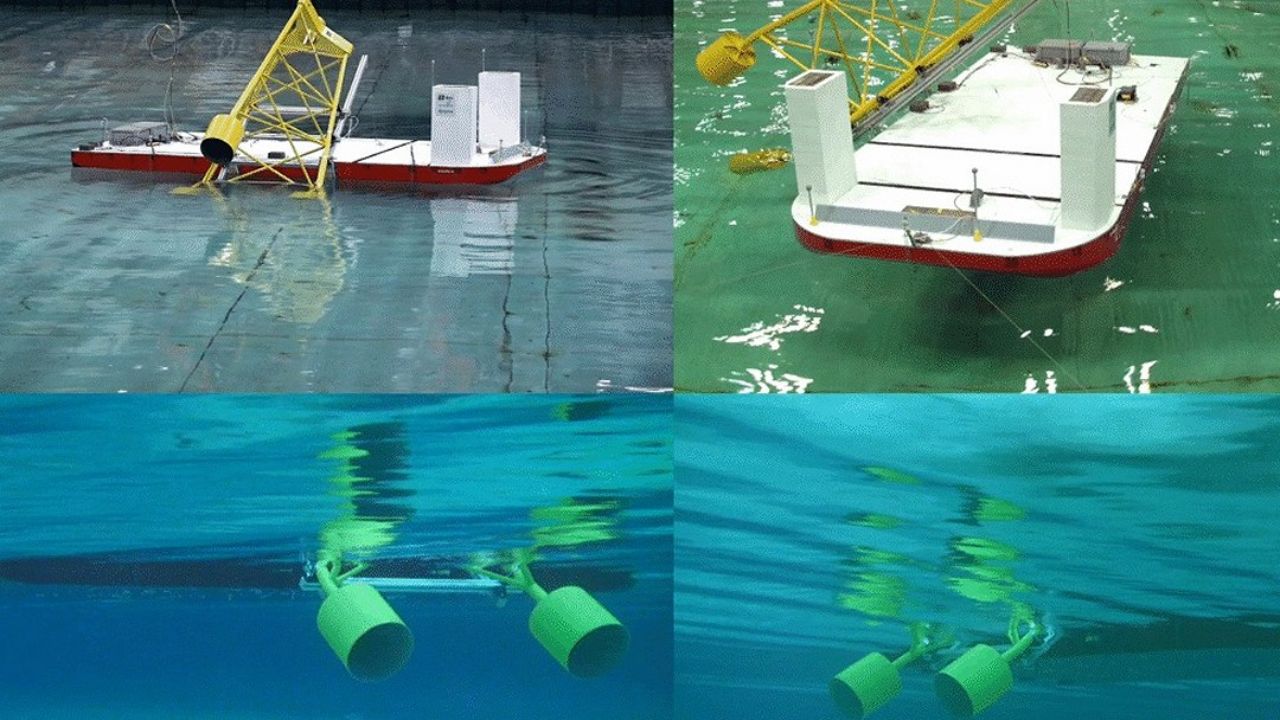
Among the points analyzed were:
- Simultaneous transportation of two structures;
- Stability during navigation;
- Load positioning capability;
- Feasibility of vertical lifting of foundations.
The data obtained reinforced the possibility of practical application of the technology in real operations.
Smaller crane can take over part of the operations
One of the main advantages pointed out by the team is the reduction in dependence on large lifting ships. According to Mateusz Graczyk, researcher at the Foundation for Scientific and Industrial Research (Sintef), the load can be transported without the need for a large ship equipped with a crane.
The expert explained that the use of submersible barges allows structures to be moved by flotation or by smaller and more accessible vessels. The change can represent significant savings for the sector, as large crane ships have limited availability and high operational costs.
The challenge faced by the industry is not only the distance from the coast but also the size of the components used. Each substructure intended for offshore turbines can reach up to 2,500 tons. Furthermore, these bases need to be installed at depths of up to 60 meters.
In this scenario, finding alternatives to the traditional use of cranes has become a priority for researchers and companies related to renewable energy. The new technology emerges precisely to meet this growing demand.
Next steps of the project
Despite the positive results, the development has not yet been completed. Researchers are now working on improving the unloading stages of the structures and the final positioning on the seabed.
The goal is to ensure that the entire process can be executed safely and efficiently on a commercial scale. Meanwhile, Norway maintains ambitious targets for the expansion of offshore wind energy. The country aims to provide areas capable of producing 30,000 MW of maritime energy by 2040.
If the next tests confirm the initial results, the new solution could pave the way for operations less dependent on large crane vessels, expanding the sector’s growth possibilities and reducing the costs associated with installing turbines offshore.
With information from the site Inovação Tecnológica