





 Portuguese
  English
  Spanish
  5 min of reading
  0 comments


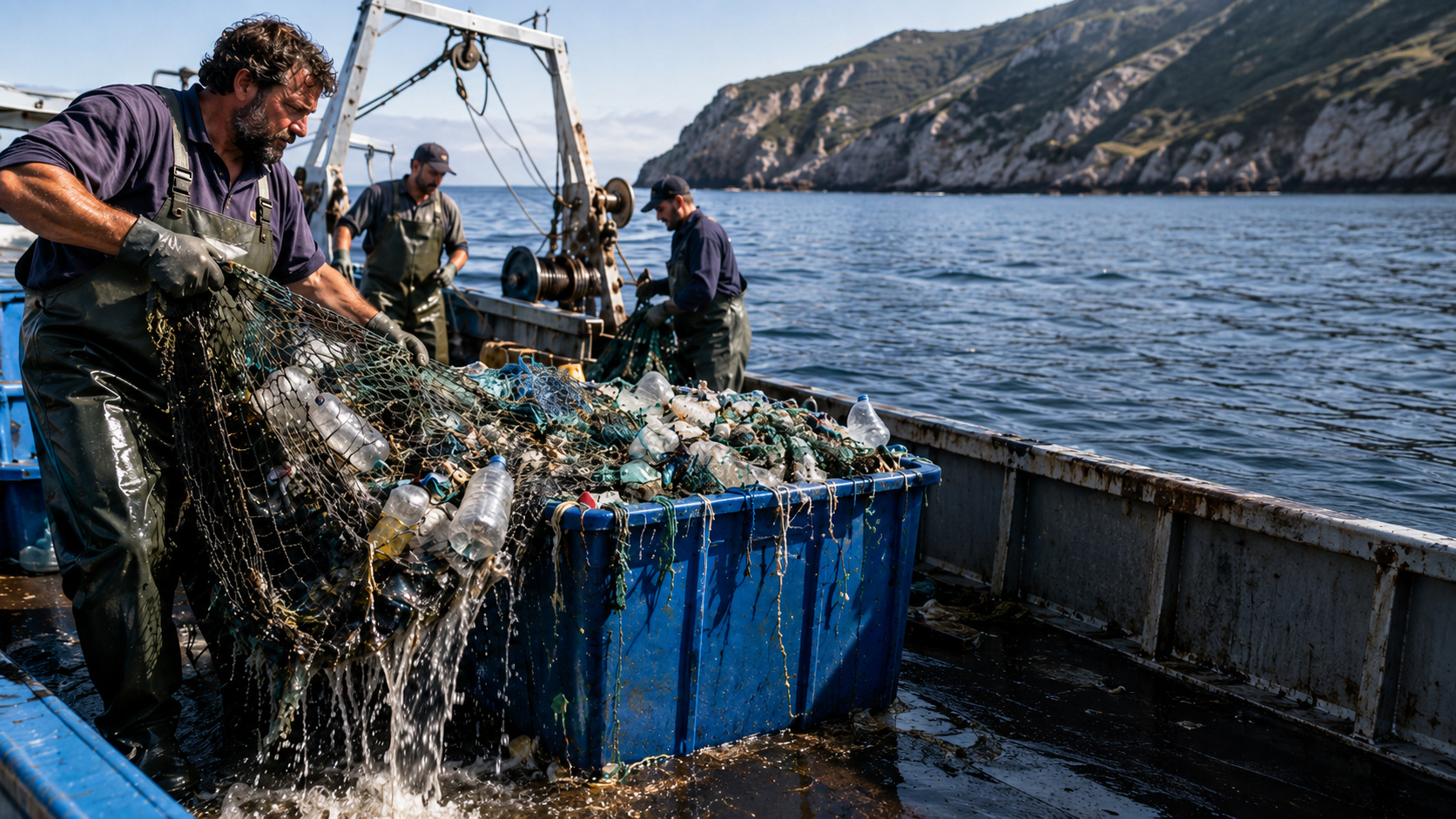
Upcycling the Oceans project gathers nearly 5,000 fishermen, has already removed more than 2,100 tons of waste from the sea, and transforms waste into recycled fashion.
Every day, fishing vessels return to Spanish ports carrying fish, shrimp, squid, and other seafood products. But along with this catch, another type of material has begun to appear with increasing frequency in the nets: plastic bottles, packaging, tires, abandoned nets, cans, and urban waste that should never be at the bottom of the ocean. It was from this reality that one of Europe’s most well-known marine circular economy projects was born.
Instead of returning this waste to the sea or treating it merely as worthless refuse, the project created a chain where the waste collected during fishing is sent for sorting, recycling, and industrial transformation. The result is the conversion of part of this material into recycled yarn, clothing, footwear, and accessories, connecting marine cleaning, the textile industry, and waste reuse in a single operation.
Upcycling the Oceans was born in Spain to remove ocean waste and give new life to the material
According to the Ecoalf Foundation, the Upcycling the Oceans project was born in Spain in 2015 with a direct proposal: to remove waste from the seabed with the help of fishermen and give a second life to this material through recycling. The operation started as a pilot in nine fishing ports and was later expanded.
-
Goodbye, manual recharging: Xiaomi has unveiled a robotic arm for home use that automatically plugs in the electric car and takes care of recharging without the driver touching the cable, a mechanical hand that automatically starts and stops charging and is expected to hit stores at the end of 2026.

-
Moon dust can be more dangerous than a storm: NASA studies glass-like sharp grains that stick to suits, get into seals, and can threaten lunar bases.

-
The American company Pyka demonstrated that its autonomous aircraft, DropShip, without a pilot on board, can drop 90-kilogram loads that land about 15 meters from the target, aiming to resupply troops in hard-to-reach locations.
-
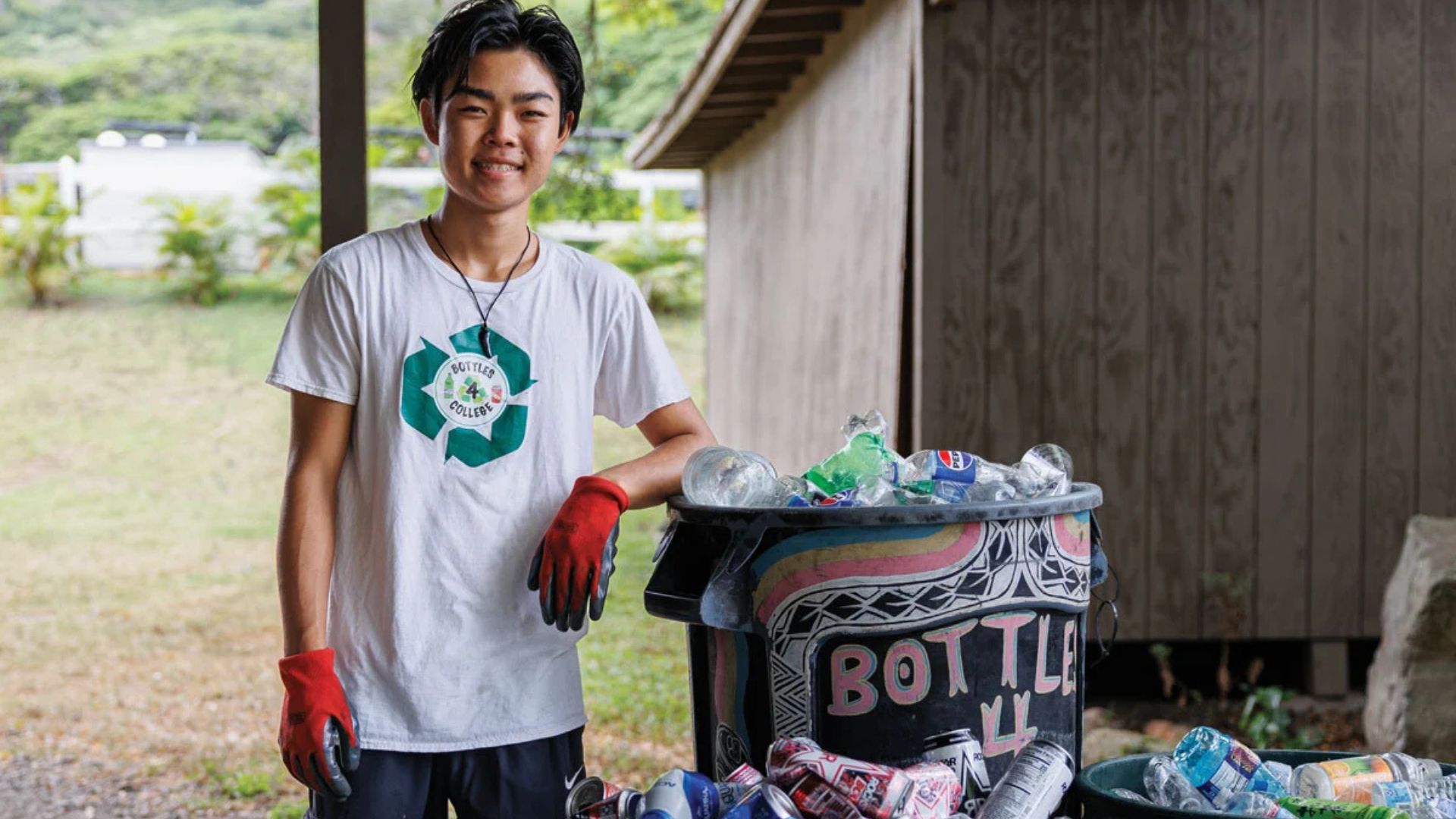
Young Hawaiian recycles 1.8 million cans and bottles and uses the money to fund college scholarships: Genshu Price diverted 63,000 kilograms of waste from landfills and turned each five-cent deposit into university hope.





The logic of the project seems simple but requires a coordinated structure. Fishermen collect the waste that gets caught in the nets during normal fishing activity, separate this material into specific containers at the port, and from there, the waste goes to treatment plants where it undergoes sorting and industrial processing.
The central point of the initiative lies precisely in this change of course. The waste that would previously be discarded returns to the mainland and enters a production chain involving ports, cooperatives, waste management companies, recyclers, and textile manufacturers.
Nearly 5,000 fishermen already participate in the Spanish marine cleaning project
According to the official page of the Ecoalf Foundation, more than 4,775 fishermen collaborate daily with the project voluntarily. This number has transformed the initiative into a large-scale operation, based on a human network that operates at the point where the problem is most evident: the seabed.
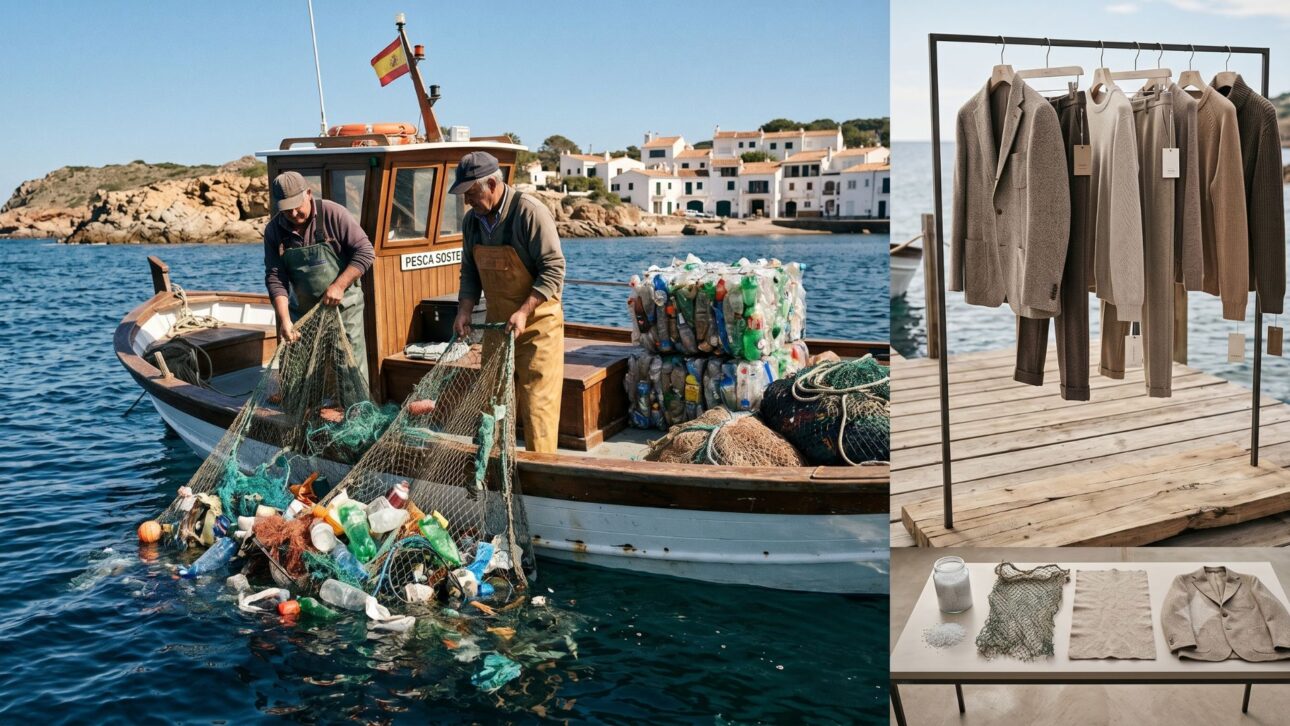
The foundation itself describes these fishermen as the true protagonists of the initiative because they are the ones who remove the waste directly from the nets and prevent this material from remaining in the marine environment. The project has ceased to be just a symbolic environmental action and has become integrated into the fishing work routine.
This scale helps explain why the initiative has gained international projection. It is not about sporadic task forces, but a continuous collection incorporated into the normal functioning of fishing activity in dozens of ports.
More than 2,100 tons of waste have already been removed from the sea and part turned into recycled yarn
According to the Ecoalf Foundation, the project has already recovered more than 2,100 tons of marine waste since its creation. The materials collected include PET bottles, fishing nets, plastic packaging, used tires, and other waste accidentally caught in the nets.
Not all of this material returns to the fashion industry, but part of it enters specific recycling processes. In the case of PET bottles, for example, the foundation reports that they undergo sorting, cleaning, and processing until they become a recycled yarn used in the brand’s fabrics and products.
This point is one of the strongest in terms of communication and SEO, because it directly connects waste removed from the ocean with clothing, footwear, and accessories produced from recycled waste, a combination that helps explain why the project has become a reference in circular fashion and blue economy.
The project expanded beyond Spain and became a reference for marine circular economy
According to the Ecoalf Foundation, the Upcycling the Oceans was born in Spain, but later expanded to other countries, including Greece, Italy, France, Thailand, and Egypt. The expansion shows that the proposal has ceased to be a local experiment and has become a replicable model for marine waste removal with the support of the fishing sector.
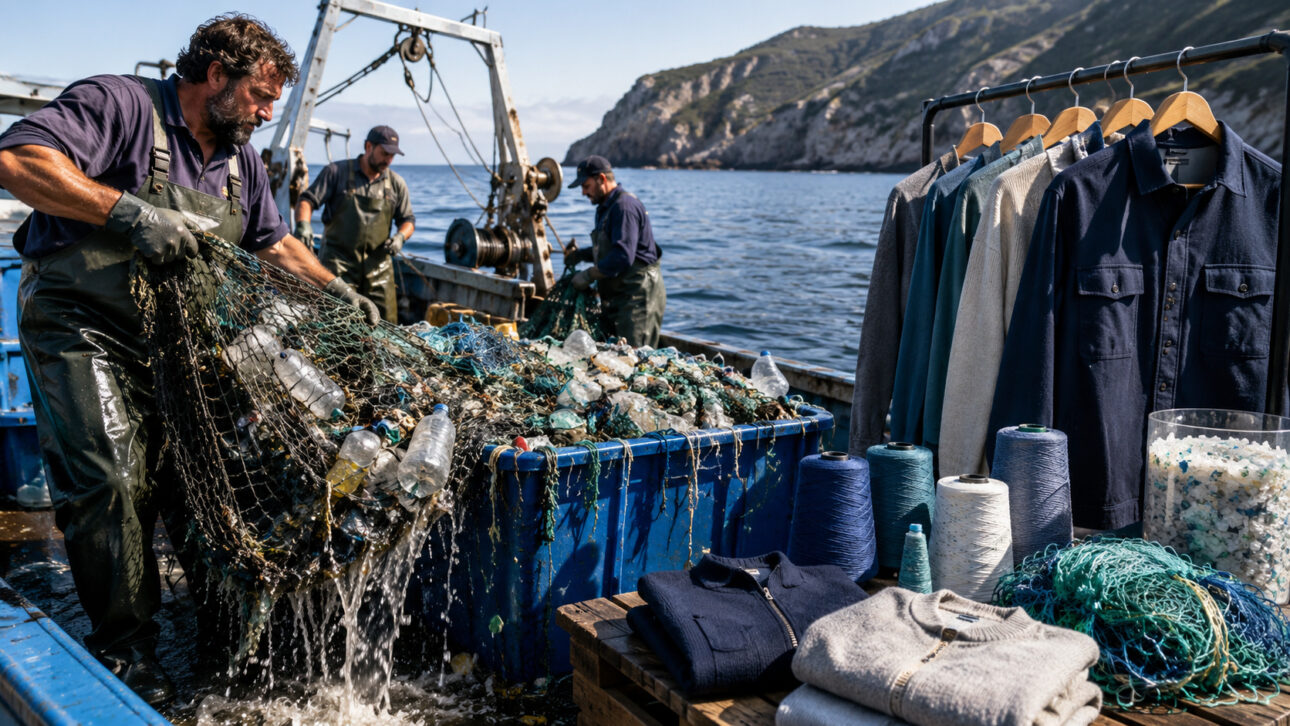
The European Circular Economy Stakeholder Platform also highlights the project as a good practice of circular economy, emphasizing the collaboration between fishermen, recyclers, and manufacturers to reuse different types of waste, such as PET bottles, fishing nets, and used tires.
The value of the project lies precisely in this integration. It is not limited to collecting waste. It creates an economic destination for part of the material, reduces the environmental pressure on the ocean, and transforms waste into raw material with industrial value.
Marine waste gains economic value without losing the environmental impact of ocean cleaning
The strongest aspect of the initiative may be the change in perception about the waste itself. What was once treated merely as waste removed from the nets is now also seen as industrial input. Plastic bottles collected from the seabed are converted into recycled yarn. Discarded nets enter new production cycles. Part of what threatened marine life returns to the formal economy with a different function.

At the same time, the project reinforces an important message: ocean pollution continues to enter the sea on a much larger scale than the removal capacity of these initiatives.
Therefore, Upcycling the Oceans is relevant both for the waste it removes and for the visibility it gives to a structural problem that has already reached the ocean floor in much of the European coast.
In the end, the Spanish case shows how a circular economy chain can start at the bottom of the sea, pass through the hands of thousands of fishermen, and end in products sold in stores. It is a partial solution to a huge problem, but also one of the clearest pieces of evidence that part of the marine waste can return to the surface with a completely different destination than it had when it was discarded.


Be the first to react!